Urdu-e-moalla
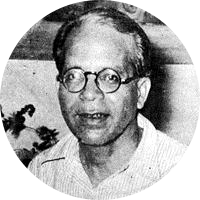
In the history of Urdu literature, several magazines stand out as particularly noteworthy, including *Dilgudaz*, *Makhzan*, *Urdu-e-Mualla*, *Zamana*, *Nigar*, and *Urdu*. Among these, *Urdu-e-Mualla* reigns supreme in many respects. Maulana Hasrat launched this journal right after completing his B.A. examinations, even before his results had been announced.
The primary objective of this journal was declared to be the refinement of literary taste. It published selected works from hundreds of renowned and obscure master poets of Urdu. Biographical accounts of numerous famous poets were compiled from handwritten chronicles and other sources and featured in its pages. However, it was not merely a literary magazine. From its inception, it included commentary on domestic and international politics as well as current affairs. Although prominent writers and poets contributed essays, *nazms*, and *ghazals*, the journal's enduring brilliance was largely sustained by Hasrat's own blood, sweat, and tears. Despite leading a demanding political life, he continued to publish it for a very long time. Initially, it was a forty-eight-page monthly publication, but when Hasrat was forced to become a state guest (imprisoned by the government), the page count dwindled and its publication schedule became erratic. Yet, the journal never ceased publication entirely. In its inaugural issue, alongside outlining several lofty literary goals, there was also a mention of remunerating the contributing writers. It remains unknown whether this promise was ever fulfilled, but the mere mention of it is a testament to Hasrat's ambition and foresight. When Hasrat launched the Swadeshi movement, Maulana Shibli wrote:
Are you a man or a jinn? First, you were a poet, then you became a politician, and now you have turned into a merchant.
This is a profoundly meaningful critique of that embodiment of intellect, action, resolve, and perseverance known as Hasrat.
While *Urdu-e-Mualla*'s literary achievements have been widely acknowledged, its contributions to the political sphere have yet to receive their due recognition. Hasrat was a staunch nationalist. Even during his college years, he actively participated in political debates and was a devoted supporter of the *Garam Dal* (the extremist faction) of the Indian National Congress. After attending the 1904 Congress session in Bombay, he published a detailed account of the proceedings in his journal and strongly urged Muslims to join the Congress. In the January 1905 issue of *Urdu-e-Mualla*, he wrote:
The truth is that even if the Congress yields no other benefit, simply by observing this manifestation of pure zeal, noble honor, and self-respect, we can confidently say this: any gathering that instills such legitimate encouragement and liberating passion in the hearts of the nation's youth, while providing the nation's elders an opportunity to focus their thoughts on national affairs and set an example of high courage and ambition for the younger generation, can never be considered useless under any circumstances.
At the dawn of the twentieth century, although the Indian nationalist movement was primarily a struggle for rights, it had already awakened to the exploitative nature of Western imperialism. As Ikram notes, the nineteenth century witnessed the completion of British political dominance on one hand, while on the other, it birthed the consciousness of Indian nationalism in opposition to that very rule. This nascent nationalism began preaching unity and solidarity, seeking to bridge religious and cultural divides. Sir Syed Ahmad Khan had dissuaded a vast majority of Muslims from joining the Congress. His primary rationale was that their educational backwardness, ignorance, and apathy necessitated cooperation with the Western government, so they could fully benefit from the advantages of Western education and civilization that the new era had ushered in. It was on these grounds that he opposed the Congress.
When Maulana Shibli returned from his travels to Rome, Egypt, and Syria and delivered a speech expressing sympathy for the Turks, Sir Syed did not view it favorably. In response to the Congress, Sir Syed launched the All India Muhammadan Educational Conference. Much like the Congress, its annual sessions took on the atmosphere of national festivals, serving as a platform to propose strategies for educational, cultural, and social advancement. By the early twentieth century, the lingering influence of Sir Syed's ideology, the political maneuvering of the British, and the rising tide of Hindu cultural revivalism within the Congress compelled a large segment of Muslims to form a separate political entity. Nevertheless, from its very inception, the Congress included highly prominent Muslims from Bengal, Bombay, and Madras, alongside a few influential figures from the United Provinces (UP). Alongside Shibli and Munshi Sajjad Hussain, Hasrat's voice provided significant reinforcement to this otherwise marginalized faction. During this period, the so-called followers of Sir Syed, acting on the cues of British college principals, invoked Sir Syed's name to deter Muslims from participating in national politics.
It became imperative that, while acknowledging Sir Syed's immense services and recognizing the historical significance of his achievements, his temporary political stances should not be blindly followed. In the January 1905 issue of *Urdu-e-Mualla*, a letter by Maulvi Barkatullah titled The National Congress and Muslims was published. Barkatullah was among those expatriates who had been forced into exile due to their political views and were then residing in the United States. In a Persian letter addressed to Hasrat, he drew a clear distinction between Sir Syed's cultural, educational, and literary triumphs and his political policies. He wrote:
It has now been twenty years since the Indian National Congress came into existence. In the early days of this national movement, the late Sir Syed chose the path of dissent because the circumstances demanded it and he had no other alternative. His opposition ultimately proved beneficial for both the Muslims and the Congress. The Muslims devoted themselves to education, while the Congress drew strength from their opposition—for things are truly understood through their opposites.
Some individuals have labeled Sir Syed as the founder of communalism in India. However, serious nationalists like Jawaharlal Nehru and Acharya Narendra Dev have defended these views of Sir Syed. Furthermore, Maulana Fazeel Ahmad, in his book *Musalmanon Ka Roshan Mustaqbil* (The Bright Future of Muslims), has demonstrated how the British gradually manipulated Sir Syed's progressivism and revolutionary struggle to serve their own agendas. Nevertheless, to vilify Sir Syed for this is unjust. Hasrat concurred with Maulvi Barkatullah's assessment, which serves as excellent proof of his acute political consciousness.
Hasrat continuously printed the proceedings of the Bombay, Banaras, and Calcutta Congress sessions. In *Urdu-e-Mualla*, articles by Qazi Talammudh Husain, Maulvi Barkatullah, Haji Musa Khan, and Hasrat himself were regularly published in support of the Congress. He published Maulvi Abdul Qayyum Hyderabadi's tract titled *Izala-e-Auham* as a supplement to *Urdu-e-Mualla*, in which Muslims were urged, through both religious and rational arguments, to participate in the Congress and stand shoulder to shoulder with their compatriots. Excerpts from the important speeches of Mr. Gokhale, Sri Aurobindo Ghosh, Mr. Malaviya, and Mr. Tilak were regularly featured. In one article, Hasrat compiled all the Quranic verses related to the topic of alliance or non-alliance (*muwalat* or *tark-e-muwalat*) with disbelievers and polytheists, concluding from them that the Quran permits cooperation with them in worldly matters. In October 1906, a delegation of Indian Muslims, led by the Aga Khan, met with Lord Minto. Their demands, which hinted at certain political inclinations, were enthusiastically welcomed by the general Muslim public. Shibli warned about the true reality of this delegation in his poems. The Maulana [Hasrat] wrote in the seventh volume of *Urdu-e-Mualla*:
The Lord [Minto] has only answered those points which, in his view, serve the interests of the British, and has ignored the rest of the address as if he heard nothing at all.
His criticisms of the sessions of the All India Muhammadan Educational Conference were serious and constructive. The Maulana excellently depicted the restlessness and anxiety among the general Muslim public regarding the British Principal's behavior and Mohsin-ul-Mulk's weakness during the general student strike of 1907. He consistently exposed the political strategies of British officers. Since he was outspoken and not accustomed to mincing words, he condemned the British authorities in a harsh tone and also rebuked those Muslims who were ready to sacrifice national interests to please the British.
During this time, the movement to elevate Aligarh College to the status of a university had already begun. Hasrat and some other freedom fighters insisted that the university must be granted the right of affiliation. The Maulana's opinion was not based on mere sentimentality. It was his firm belief that in secondary schools, Muslims should be taught agriculture, industry and crafts, science, and other practical disciplines and professions so that they could strengthen their economic position in society. Therefore, he emphasized school education over college education and wanted an affiliating university for Muslims that would spread a network of industrial institutions and practical sciences across the country, ensuring that Muslims would not remain dependent on government jobs.
In *Urdu-e-Mualla*, opinions were freely expressed on the Swadeshi movement, the boycott of foreign goods, university affiliation, and other issues. Similarly, he provided information on the political, educational, and cultural life of Islamic countries. Excellent articles on the issues of Tripoli, Egypt, the Balkans, and the Hejaz appeared in *Urdu-e-Mualla*. He also published a special Mustafa Kemal issue in 1908. He was tried for the first time over an article in *Urdu-e-Mualla* titled Britain's Policy in Egypt. Although it was published under a student's name and could not be definitively attributed to Hasrat, the Maulana courageously took full responsibility for it. Consequently, in 1908, the British government sentenced him to two years in prison, with an additional six months proposed in case he failed to pay the fine. Since the Maulana was unable to pay the fine, his extremely rare library—which contained hundreds of rare manuscripts and scarce printed *diwans* and biographical anthologies, gathered by Hasrat with great search, effort, and expense—was sold off and ruined like junk. Begum Hasrat states that:
This library was worth four and a half thousand rupees, and the government sold it for a mere sixty rupees.
Furthermore, the treatment meted out to Hasrat in prison is a very ugly stain on the British system of government. He ground a hand-mill for ten months, and was forced to grind approximately one *maund* (about 40 kg) of wheat daily. The way he confronted every display of barbarism and stood by his principles during those turbulent times has few parallels in history. It was during this period that he wrote some of his best *ghazals* and compiled an entire *diwan*. His famous couplet belongs to this era:
Hai mashq-e-sukhan jaari, chakki ki mashaqqat bhi
Ik turfa tamasha hai Hasrat ki tabiyat bhi
[The practice of poetry continues, as does the toil of the grinding stone;
What a wondrous spectacle is Hasrat's disposition.]
Despite such severe trials in prison, Hasrat's dignity and resolve remained unshaken. After his release, when a few friends pleaded with him to soften his policy, he wrote in *Urdu-e-Mualla*:
Upon the republication of *Urdu-e-Mualla*, a few friends, out of love and sympathy, have advised that we should now completely withdraw from politics. Some suggested that even if there are political articles, they should align with the established policy of the Muslim League. A few friends, who are certainly more liberal-minded, went so far as to permit that if we must align with the Indian masses, we should adopt the approach of the moderate faction of the Congress. It is our duty to thank them for all these well-intentioned suggestions and pragmatic advice. However, the difficulty is that, in our view, a conviction or belief—whether religious or political—is something that abandoning or altering out of fear or expediency is one of the worst moral sins. The very thought of committing such a sin cannot even arise in the heart of a freedom-loving or independent-minded journalist.
In politics, we consider it obligatory upon ourselves to follow the leader of the patriots, Mr. Tilak, and the chief of the freedom fighters, Babu Aurobindo Ghosh. Therefore, in this capacity, we are just as disgusted with the Pherozeshah-led Congress as we are with the elite-driven Muslim League or the newly born Lal Chand Conference... The unnatural system of the British government cannot remain in India forever, and in its current form, even its survival for a few more years seems difficult. The leaders of the Extremist faction in general, and Aurobindo Ghosh in particular, keep the aforementioned principle in mind in all their political endeavors; therefore, in our view, they are on the side of truth. For conquered countries and nations, there can be no policy other than to dedicate all their efforts to the struggle of regaining complete freedom. (1910)
This very spirit kept Hasrat striving in support of the Extremist faction (*Garam Dal*) of the Congress. It was this spirit that inclined him to declare complete independence at the Surat Congress session, going against the general consensus. For this reason, he opposed Mahatma Gandhi when the latter became inclined to unilaterally call off the mass Non-Cooperation Movement. On this same basis, he opposed the Nehru Report and single-handedly raised the slogan for complete independence at the All Parties Convention in Lucknow.
To truly understand Hasrat's political views, merely knowing that he supported complete independence is not enough. The welcome address he delivered at the All India Communist Conference in Kanpur in 1926 was published in *Urdu-e-Mualla* (Volume 18, Issues 4, 5, and 6, May–June 1926). In it, he states:
The communist movement is a movement of farmers and workers. People often assume that communism and bloodshed are inextricably linked. However, the reality is simply that we consider non-violence acceptable only as a matter of necessity and expediency; unlike Mahatma Gandhi, we do not hold it to be an absolute, mandatory principle under all circumstances.
He clarified the distinction between personal and private property in this way: Personal belongings include items like a watch, an umbrella, a water vessel (*lota*), a house, and clothes. Private property includes land, factories, and the like. Communist principles do not apply to personal property, but only to private property.
He briefly outlined the party's aims and objectives as follows:
(1) To establish complete independence through all legitimate means. (2) The structure of *Swaraj* (self-rule) should be that of a Soviet Republic, governed by communist principles. (3) Until *Swaraj* is achieved, to make every possible effort for the welfare and liberation of farmers and workers, and in this regard, to cooperate with any Indian political party to the extent that it supports our aforementioned goals. (4) To propagate communist principles and win over the masses to our ideology, so that these principles can be implemented immediately upon the establishment of *Swaraj*.
Maulana Hasrat Mohani also clarified, Our party is exclusively an Indian party. Regarding communism and religion, he stated, We acknowledge the existence of every religion. In our view, irreligion is also a religion. On the subject of communism and Islam, his opinion was: Some Muslim leaders unnecessarily portray communism as being anti-Islam, whereas the reality is quite the opposite. For instance, Islam's stance against capitalism is perhaps even stricter than that of communist doctrine. Finally, he declared, Communism is the ultimate and most refined form of politics.
Although these views may lack a deeply scientific perspective, there is no doubt that his perceptive and mature mind had grasped the fundamental truths of communism. This is why, even after growing disillusioned with the Congress's capitalist and anti-Muslim trajectory and subsequently joining the Muslim League, he remained a steadfast friend of the masses and held firm to his socialist beliefs. It was this ideological foundation that led him to propose his political formula for a Confederation of State. Had our political leaders paid closer attention to his proposal, the subcontinent might have been spared the horrific consequences of Partition, and a robust framework for protecting minority rights could have been established.
Because Maulana's political views are integral to both his personality and the distinct character of *Urdu-e-Mualla*, they have been discussed here in some detail. In 1910, when he revised the journal's editorial policy to restrict the variety of topics it covered, he still did not abandon politics and literature. Therefore, studying the archives of *Urdu-e-Mualla* is indispensable—not only for understanding Hasrat's political evolution but also for comprehending the broader national consciousness of Indian Muslims.
The greatest achievement of *Urdu-e-Mualla* is that its pages preserve the biographical accounts and selected works of many master poets of Urdu. He later published these selections under the title *Intikhab-e-Sukhan* (Selection of Poetry), which remains the most comprehensive anthology of its kind. Alongside the renowned masters, it features the works of their disciples and many significant second-tier poets. Thanks to Hasrat, numerous important poets were rescued from the depths of obscurity. Hasrat himself was a great poet, naturally endowed with pathos, deep empathy, and a profound ability to move his readers. His temperament combined an angelic innocence with the stubbornness and unyielding resolve of a fiercely determined man. Few researchers or critics have studied our classical poetry as deeply as he did. The way he perceived the most delicate nuances of art and its underlying passion, the way he weighed and evaluated words, and his profound sensitivity to the truth, meaning, and poetic essence behind those words, remains largely unmatched.
For this reason, his opinions regarding the master poets carry immense weight. While occasional disagreements with his views are inevitable, denying their significance altogether would be sheer stubbornness. *Urdu-e-Mualla* not only featured his own *ghazals* and *nazms* alongside those of all the famous masters of the era, but it also published essays by prominent writers. The journal's golden period lasted until 1912. During this time, it was published first as a 48-page and later as a 24-page issue, offering a rich variety of essays, *nazms*, and *ghazals*. After 1912, the journal began to rely more heavily on poetic selections, and installments of *Nukaat-e-Sukhan* (Nuances of Poetry) began appearing as supplements. Toward the very end, the magazine was reduced to a mere collection of literary relics printed on cheap, brown kite-paper. The reality is that no journal can survive solely on the undivided attention of a single individual, though Hasrat consistently made every humanly possible effort. Ultimately, he could not find a dedicated team to carry on the work of *Urdu-e-Mualla*. Furthermore, his intense political engagements and frequent imprisonments inevitably took their toll on the publication. Literature was a vital part of Hasrat's life, but it could not become his *entire* life; had it been so, the legacy of *Urdu-e-Mualla* would have been truly unparalleled and unprecedented.
Although Hasrat had studied classical literature profoundly, he never allowed himself to be confined to the rigid categories of ancient and modern. In the inaugural issues of *Urdu-e-Mualla*, he wrote: I dislike the constraints of ancient and modern styles. Whatever the style may be, it must be good; *Urdu-e-Mualla* is an admirer of both.
He valued individuality in *ghazals*, and prized profound meaning and narrative continuity in *nazms*. From the very beginning, he possessed a refined and wholesome literary taste. He understood the deep secrets of thought and art, which is precisely why he opposed strict demarcations between the old and the new. It is as if Allama Iqbal voiced the very sentiments of Hasrat's heart when he wrote:
Zamana ek, hayat ek, kainat bhi ek
Daleel-e-kam-nazari qissa-e-jadeed-o-qadeem
[Time is one, life is one, the universe too is one;
The debate of old and new is but proof of a narrow vision.]
Despite his deep and deeply ingrained literary sensibility, Hasrat’s embrace of new demands and his appreciation for freshness, innovation, and experimentation demonstrate the advanced nature of his critical consciousness. The emphasis Western scholars place on a critic’s comprehensiveness, familiarity with tradition, and sympathy toward experimentation is fully evident in Hasrat’s work. Coupled with this, his independent, impartial judgments and his rigorous research have transformed his literary and critical essays into an enduring treasure. The Urdu-reading public often suffers from a one-sided perspective. While it highly appreciated Hasrat’s poetry, it failed to accord his research and critical contributions the recognition they truly deserved. There is a pressing need to publish a multi-volume selection of the best essays from *Urdu-e-Mualla*. Alongside Hasrat, this collection should feature the essays of Imdad Imam Asar, Shad Azimabadi, Chakbast, Sharar, Premchand, Nazm Tabatabai, Mahboob-ur-Rahman Kaleem, Ameer Ahmad Alvi, and Ahsan Marehravi.
Hasrat’s essays on Shah Hatim, Mazhar Jan-e-Janan, Qaim, Sauda, Rangeen, Mushafi, Majrooh, Ameerullah Tasleem, Asghar Ali Khan Naseem, Momin, Ghalib, Shah Zafar, Shah Naseer, Nawa Badauni, Zaheer Dehlvi, Gustakh, and Wafa Rampuri are highly valuable. Poets like Qaim and Mushafi had been largely forgotten by the public. Hasrat rediscovered them, and he played a major role in their current popularity. The enchanting prose and spellbinding narrative of Muhammad Husain Azad’s *Aab-e-Hayat* had obscured the greatness of certain literary figures from the public eye. Hasrat restored their rightful stature. He mitigated the extremism born of excessive praise and unwarranted detraction, bringing a sense of balance to literary criticism. In doing so, he established clear standards for the *ghazal*, *qasida*, *masnavi*, and *marsiya* for the public to evaluate. Discussing Majrooh in the August 1905 issue of *Urdu-e-Mualla*, he writes:
The true perfection of poetry and poetic mastery does not merely lie in elevating the subject matter, ensuring linguistic accuracy, employing a fitting *radif* (refrain), or using a fresh *qafiya* (rhyme). Beyond all these elements, the greatest virtue—which is the most difficult to achieve yet the most crucial to consider—pertains to the selection of words.
This issue of word selection is no trivial matter. Today, as it becomes widely accepted that an awareness of words cannot be divorced from their meaning—that is, form and content cannot be entirely separated from one another—Hasrat’s standard for word selection inherently points toward the selection of the subject matter as well. Hasrat clearly distinguished between *aamad* (spontaneous inspiration) and *aaward* (contrived effort). In his later years, when he categorized Urdu poetry under various headings, he prioritized this distinction between *aamad* and *aaward*. Consequently, despite acknowledging the linguistic refinement of Lucknow, he was neither enamored with the Lucknow school's obsession with wordplay, nor was he a blind imitator of the Delhi school. He recognized the true beauty of the *ghazal* and possessed a keen eye for its distinct stylistic nuances. His concept of *ghazal* composition is brilliantly illustrated in his comparative analysis of Ameer Minai and Dagh Dehlvi. In the February 1911 issue of *Urdu-e-Mualla*, he writes:
There are two categories of romantic poetry. The first is one where the genuine gaze of passionate longing presents love to the seeker of truth with such divine manifestation that Nizami referred to it as *Hu Allah* (He is God), and which Maulana Rumi declared as the panacea for all his spiritual ailments. One boundary of such poetry borders on mysticism and divine love (*ishq-e-haqiqi*), while remaining connected to earthly love (*ishq-e-majazi*) and pure affection. In the Urdu language, a true aptitude for mysticism and divine love is rare; however, profound emotions of love are frequently found in the poetry of Mir, Mushafi, Dard, and Qaim.
The second category of romantic poetry is one that, instead of depicting pure and selfless love, paints an accurate picture of lustful desires. Abundant examples of this can be found in the works of Jurrat, Mian Nazeer, and Insha. The poetic craft of Dagh and Ameer cannot be classified into either the first or the second category. Dagh’s poetry is neither hedonistic like that of Jurrat and Insha, nor does it possess the spiritual depth of Mir and Dard. The poetry of both Ameer and Dagh is generally devoid of the wealth of mystic pathos (*soz-o-gudaz*), and the term 'romantic poetry' cannot truly be applied to the work of either poet.
In Ameer’s verses, one finds an elevation of subject matter, delicacy of thought, sobriety of expression, and linguistic accuracy—in short, all the prerequisites of poetic maturity are present. However, due to the absence of poetry's very soul, which is emotional impact (*taaseer*), his work can only be regarded as a beautiful but lifeless body. (His collection *Mirat-ul-Ghaib* and his *Naat* poetry serve as proof of this.) Conversely, Dagh’s verses offer linguistic clarity, the effortless use of Urdu idioms, a playful tone, and an appealing repetition or inversion of words. In essence, all the elements of superficial poetic beauty are present. Yet, that profound quality which we might call the joyous essence of exalted romantic emotions is nowhere to be found. Let alone spiritual emotions, Dagh has rarely even painted an accurate picture of carnal desires. The flaw of artificiality renders his depictions of romantic encounters (*muamla-bandi*) and hedonistic flirtations so vulgar and unsightly that a refined literary taste can derive no pleasure from them whatsoever... As a master of language (*qaadir-ul-kalaam*), Ameer may be deemed superior to Dagh, while as the master of a distinct poetic style, Dagh may be considered superior to Ameer. On the whole, however, both stand on equal footing.
His opinion regarding the two royal poets of Delhi and Lucknow—Bahadur Shah Zafar and Wajid Ali Shah Akhtar—is equally fascinating. In the January 1911 issue of *Urdu-e-Mualla*, he writes: Zafar’s poetry is replete with the virtues of pathos and emotional depth; in stark contrast, Akhtar’s poetry contains nothing but artificiality and contrived effort.
Similarly, he was the first to refute Muhammad Husain Azad’s assertion that Zafar’s poetry was entirely the work of his mentor, Zauq. He highlighted the shared characteristics between Zafar and Shah Naseer, acknowledging that Zafar possessed all of Shah Naseer’s poetic qualities, with the added virtue of emotional impact. He also astutely identified the fundamental weakness in both poets: long *radifs* (refrains) where the second line of the couplet is practically ready-made, leaving the poet to exert effort only on the first line. Hasrat also expressed his views on the poetry of Delhi and Lucknow while reviewing the poet Qalaq, and here he employed rather harsh language. In a 1906 issue of *Urdu-e-Mualla*, he writes: There is no doubt regarding Qalaq’s poetic practice and mastery. However, much like the other master poets of Lucknow, his poetry offers no joy to the heart or soul, except perhaps serving as a linguistic reference when needed.
He also included a *Shahr Ashob* (a poem lamenting a city's decline) by Qalaq, which describes Wajid Ali Shah’s exile to Calcutta in relatively simple and moving language. Yet, even in this poem, the expression of personal grief overshadows any sense of national loss.
Hasrat was a great admirer of the master ghazal poets Mushafi, Momin, and Qaim. He emphasized Mushafi’s versatility and his novel sense of outward expression. He also highlighted Mushafi's pursuit of fresh, extended rhymes and his unique ability to sustain the *radif* (refrain) in diverse ways. Hasrat’s opinion regarding Momin is even more noteworthy. He states, In terms of Urdu poetry (by which he seemingly means the craft of poetry), Zauq ranks higher than Ghalib, and Ghalib ranks higher than Momin. However, in terms of pathos and emotional impact, Momin’s poetry is superior to Ghalib’s and far superior to Zauq’s.
In Hasrat's view, Ghalib and Momin share several traits: a Persianized flavor, *sahl-e-mumtana* (deceptive simplicity), elegant phrasing, and a preference for thematic depth over mere verbal expression. He acknowledges Momin Khan’s mastery for two main reasons. The first is his distinctive style, and the second is his Persian sensibility and the incorporation of Persian phrasing. This blend lends a particular dignity to Momin's poetry, unparalleled by anyone except Ghalib.
Here, one must concede to Hasrat’s critical acumen. The infusion of Persian aesthetics and phrasing endowed Urdu poetry with new layers of meaning, symbolism, eloquence, and artistic beauty—qualities from which Urdu poets benefited immensely. This particular style is far better suited for expressing philosophical concepts than everyday speech and idioms. Although Hasrat did not state this explicitly, his underlying awareness of this fact is both significant and profound.
In short, Hasrat’s commentary on ghazal poets is highly significant and valuable. While his criticism ostensibly emphasizes poetic craft, it actually harbors a refined and profound conception of art. Furthermore, he expressed his views with remarkable freedom and courage, never allowing himself to be intimidated by anyone's persona or fame. When contrasted with Muhammad Husain Azad’s blind reverence for his mentor, Hasrat’s objective assessment of his own teacher, Amirullah Tasleem, commands great respect:
During the era of Naseem, and even for a decade thereafter, the late poet was as unparalleled in writing *qasidas* (panegyrics) as he was in writing *masnavis*. However, the general decline of poetry took its heaviest toll on Tasleem’s ghazals. The ghazals from his middle period reflect his deterioration, while those from his final period illustrate his complete downfall.
Similarly, the opinions Hasrat expressed regarding other literary genres attest to his profound critical awareness and sound judgment. When Chakbast published a new edition of the *masnavi* *Gulzar-e-Naseem*, he wrote a monumental foreword for it. Driven by natural human bias, he heavily accentuated Naseem’s poetic brilliance, going so far as to place *Sihr-ul-Bayan* and *Gulzar-e-Naseem* on an equal pedestal, stating: Mir Hasan is a creator of words; Naseem is a creator of meaning.
In response, Sharar argued that the *masnavi* was actually the work of Aatish. He also expressed reservations about accepting its language as the authentic idiom of Lucknow, and furthermore, he presented evidence to highlight several linguistic errors within the text. Chakbast defended Naseem with a scholarly rebuttal, sparking a fiercely heated debate. *Urdu-e-Mualla* published the entire exchange: Chakbast’s initial article, Sharar’s response, Chakbast’s rejoinder, and Sharar’s subsequent reply. Hasrat’s own stance on the matter was, as usual, balanced and moderate. He acknowledged Naseem’s mastery, declaring *Gulzar-e-Naseem* to be a supreme example of the Lucknow school and unparalleled in its specific style. His exact words were: The language of *Gulzar-e-Naseem* is undoubtedly the language of Lucknow, though in certain instances, it would be more accurate to classify it as the archaic language of Lucknow.
Hasrat explained that this was because Naseem, through his association with Aatish, could not escape the overarching influence of Mushafi. Consequently, Nasikh’s linguistic reforms had a limited impact on him. While Naseem did attempt to adopt these reforms, he could not adhere to them consistently throughout his work:
*Bhadkai jamai madar us ki*
[Her mother incited and firmly planted it]
However, Hasrat ultimately deemed Naseem’s style unsuitable for the *masnavi* form. In the August-September 1905 issue of *Urdu-e-Mualla*, he wrote: Just as eloquence and linguistic grandeur are essential for the *qasida* (panegyric); thematic continuity and excellence for the *qita* (quatrain); and spontaneity of thought and diction for the *rubai* (especially in its final line)—similarly, refined taste dictates that the style of a narrative *masnavi* should be characterized by simplicity and fluidity. It should not be marred by artificiality or excessive omissions. Such flaws defeat the primary purpose of a *masnavi*, which is to convey a message or narrate a tale. Instead of engaging with the actual story, the listener or reader becomes entangled in a web of verbal wordplay.
Numerous articles addressing crucial issues of language and literature can be found in *Urdu-e-Mualla*. Among these, a monumental essay by Nazm Tabatabai titled *Adab al-Katib wa al-Sha'ir* (The Etiquette of the Writer and the Poet) was published across several installments. This essay covered notable topics such as gender rules (masculine and feminine), reflections on the Urdu script, investigations into incorrect vocabulary, the debate between linguistic scholars and native speakers, and the linguistic differences between the Delhi and Lucknow schools. In 1912, Hasrat discussed the grammatical usage of the particle *'ne'*, demonstrating that its particular usage was not just limited to Punjab but was also prevalent among classical poets. To support this, he presented citations from the *Kulliyat-e-Zafar* (The Collected Works of Zafar), such as the phrasing *'aur dekha hua hai'* (and has been seen):
*Hum ne hai khoob us ki tarz-e-naaz pehchani hui*
*Chaal pehchani hui, aawaz pehchani hui*
[We have thoroughly recognized her coquettish ways,
Recognized her gait, recognized her voice.]
Hasrat considered the publication of rare literary works to be his special duty. Consequently, *Urdu-e-Mualla* featured notable rarities such as Mulla Masih’s Persian *Ramayana*, Qalaq’s *Shahr Ashob*, the *masnavi* *Brij Chhab* by Banwari Lal Shola (a student of Besabr Sikandar Abadi and Tafta), and the *masnavi* *Soz-o-Saaz* by Aishi (a student of Mushafi). Banwari Lal Shola’s *Brij Chhab*, in particular, is a work that deserves to be republished. Hasrat also published selections from classical Urdu *guldastas* (poetry anthologies). Today, a student of the history of Urdu language and literature can find immensely useful and practical material within these articles. He cataloged the following *guldastas* from the late nineteenth century:
(1) *Guldasta-e-Shu'ara* (Supplement to the newspaper *Anwar-ul-Akhbar*, Lucknow), started 1874
(2) *Gul Kadah* by Riyaz Khairabadi, 1879
(3) *Natija-e-Sukhan*, Lucknow, 1880
(4) *Payam-e-Yaar*, Lucknow, 1883
(5) *Tuhfa-e-Ushshaq*, 1884
(6) *Karishma-e-Dilbar*, Khairabad, 1885
(7) *Riyaz-e-Sukhan*, Moradabad, 1885
(8) *Daman-e-Gulchin*, Lucknow, 1885
(9) *Fitna wa Itr-e-Fitna*, 1885
(10) *Naghma-e-Bahar*, Lucknow, 1886
(11) *Guldasta-e-Kaif*, Unnao, 1889
(12) *Daman-e-Bahar*, Agra, 1892
(13) *Gulchin*, Lucknow, 1892
(14) *Intikhab*, Lucknow, 1893
(15) *Tasveer-e-Aalam*, 1896
(16) *Riyaz-e-Sukhan*, Marehra, 1896
(17) *Khadang-e-Nazar*, 1897
(18) *Meyaar*, Lucknow, 1898
Similarly, in the February 1952 issue of *Urdu-e-Mualla*, he documented 208 of his contemporaries, encompassing master poets, passionate devotees of the art, established writers, lesser-known figures, and novices alike.
Countless literary gems are scattered throughout these essays in *Urdu-e-Mualla*. In this context, there is one highly fascinating example that I had not come across before. Jalib Dehlvi wrote an introduction to *Maktoobat-e-Azad* (The Letters of Azad). While discussing Azad's intense absorption and eccentric frenzy, he noted that such a state of rapture is nothing new for poets. Hasrat reproduced the entire section of this introduction that provides examples of the eccentricities of Zauq, Momin, and Ghalib. Regarding Zauq, it is written that once, half-naked and wearing only a *tahband* (a lower garment), he became so deeply engrossed in poetic thought that he wandered all the way to the Royal Fort. He only snapped out of his reverie when a royal guard stopped him. Meanwhile, Emperor Bahadur Shah Zafar was informed of the incident and summoned him in that very state. The Emperor listened to his poetry, honored him with a magnificent royal robe, and then sent him home. Whenever Momin Khan walked down the street, one of his disciples would inevitably accompany him to ensure that, while swaying and raising his hands in a peculiar manner in his state of poetic trance, he would not be run over by a carriage. However, the most amusing anecdotes provided are about Ghalib:
Many carefree idlers from the neighborhood would gather in his drawing-room, where they were entertained with a hookah, water, and occasionally sweets. Ghalib himself lived on the upper floor, but the only use he ever had for these men was this: whenever he composed a new poetic theme and became overwhelmed by the joy of his creation, he would come downstairs, recite the verse to them, receive their praise, and immediately head back upstairs. If it was ever quiet downstairs, he would inevitably ask, 'Is everything alright in the neighborhood today? Has some tragedy occurred?' Kallu [his servant] recounts that on several occasions, there was not a single soul in the drawing-room, yet Mirza Sahib would come down, stand in the doorway, and announce, 'Listen here, brothers, look at the brilliant theme I have just grasped!' He would then recite the verse, provide the necessary explanation, and, fully satisfied, return to his quarters upstairs.
The task of gathering the neighborhood idlers was entrusted to Kallu and Kalyan, who would tell people, The old man is having another fit of madness today. Despite this, they were fiercely devoted to Mirza, and Kallu would often weep while remembering him and recounting these stories. Despite his financial hardships, Mirza Sahib treated his servants exceptionally well and maintained his traditional dignity. Jalib writes that when he met Hali, the latter shared an anecdote about Ghalib that had been narrated to him by Shefta. Shefta had recalled that Ghalib once recited the following verse to him:
Khushi jeenay ki kya, marnay ka gham kya
Hamari zindagi kya aur hum kya
[What joy is there in living, what sorrow in dying?
What is our life, and what are we?]
When Shefta praised it profusely, Mirza replied that he had already given this verse to Yusuf Ali Khan Nazim. Nazim’s poetry contains many verses that bear the distinct stylistic hallmark of Ghalib. A manuscript of Nazim’s *diwan* (poetry collection), corrected by Ghalib, is preserved in the Rampur State Library. It is filled with Ghalib’s emendations, which clearly explains why glimpses of Ghalib’s style are so evident in Nazim’s work.
The independence and boldness Hasrat demonstrated in his research and criticism are highly commendable. Notable examples include his severe critiques of Iqbal’s early poetry and his examination of the weaker aspects of Hali’s nationalistic verse. Similarly, in an essay he wrote on *Inder Sabha* (August 1903), he harshly criticized the emerging literary tastes while thoroughly highlighting the literary and dramatic merits of the play.
The Lucknow University Library holds an archive of *Urdu-e-Mualla* up to the year 1934. This journal is unparalleled in its research and criticism, political essays, poetic selections, and book reviews. A careful study of its contents leaves no room for hesitation in recognizing Hasrat not merely as a great poet, but also as an excellent researcher and a serious, highly esteemed critic. Furthermore, the samples of contemporary poetry published in this journal are of immense interest to us today. Several fine *ghazals* by Fani, which are absent from his posthumous collection (*Baqiyat*) and were only published in the *Diwan-e-Fani* printed by Naqeeb Press, can be found in *Urdu-e-Mualla*.
Numerous masterpieces by Imdad Imam Asar, Shad Azimabadi, Gustakh Rampuri, Wafa Rampuri, Ameerullah Tasleem, Safi Lakhnavi, and Aziz Lakhnavi have been preserved within the pages of this journal. It also features modern-style *masnavis*, alongside the poetry of Iqbal and Akbar. In short, the invaluable service Hasrat rendered to the Urdu language and literature through *Urdu-e-Mualla* deserves to be written in letters of gold in our history, and no student of Urdu literature can afford to overlook it.
In the history of Urdu literature, several magazines stand out as particularly noteworthy, including *Dilgudaz*, *Makhzan*, *Urdu-e-Mualla*, *Zamana*, *Nigar*, and *Urdu*. Among these, *Urdu-e-Mualla* reigns supreme in many respects. Maulana Hasrat launched this journal right after completing his B.A. examinations, even before his results had been announced.
The primary objective of this journal was declared to be the refinement of literary taste. It published selected works from hundreds of renowned and obscure master poets of Urdu. Biographical accounts of numerous famous poets were compiled from handwritten chronicles and other sources and featured in its pages. However, it was not merely a literary magazine. From its inception, it included commentary on domestic and international politics as well as current affairs. Although prominent writers and poets contributed essays, *nazms*, and *ghazals*, the journal's enduring brilliance was largely sustained by Hasrat's own blood, sweat, and tears. Despite leading a demanding political life, he continued to publish it for a very long time. Initially, it was a forty-eight-page monthly publication, but when Hasrat was forced to become a state guest (imprisoned by the government), the page count dwindled and its publication schedule became erratic. Yet, the journal never ceased publication entirely. In its inaugural issue, alongside outlining several lofty literary goals, there was also a mention of remunerating the contributing writers. It remains unknown whether this promise was ever fulfilled, but the mere mention of it is a testament to Hasrat's ambition and foresight. When Hasrat launched the Swadeshi movement, Maulana Shibli wrote:
Are you a man or a jinn? First, you were a poet, then you became a politician, and now you have turned into a merchant.
This is a profoundly meaningful critique of that embodiment of intellect, action, resolve, and perseverance known as Hasrat.
While *Urdu-e-Mualla*'s literary achievements have been widely acknowledged, its contributions to the political sphere have yet to receive their due recognition. Hasrat was a staunch nationalist. Even during his college years, he actively participated in political debates and was a devoted supporter of the *Garam Dal* (the extremist faction) of the Indian National Congress. After attending the 1904 Congress session in Bombay, he published a detailed account of the proceedings in his journal and strongly urged Muslims to join the Congress. In the January 1905 issue of *Urdu-e-Mualla*, he wrote:
The truth is that even if the Congress yields no other benefit, simply by observing this manifestation of pure zeal, noble honor, and self-respect, we can confidently say this: any gathering that instills such legitimate encouragement and liberating passion in the hearts of the nation's youth, while providing the nation's elders an opportunity to focus their thoughts on national affairs and set an example of high courage and ambition for the younger generation, can never be considered useless under any circumstances.
At the dawn of the twentieth century, although the Indian nationalist movement was primarily a struggle for rights, it had already awakened to the exploitative nature of Western imperialism. As Ikram notes, the nineteenth century witnessed the completion of British political dominance on one hand, while on the other, it birthed the consciousness of Indian nationalism in opposition to that very rule. This nascent nationalism began preaching unity and solidarity, seeking to bridge religious and cultural divides. Sir Syed Ahmad Khan had dissuaded a vast majority of Muslims from joining the Congress. His primary rationale was that their educational backwardness, ignorance, and apathy necessitated cooperation with the Western government, so they could fully benefit from the advantages of Western education and civilization that the new era had ushered in. It was on these grounds that he opposed the Congress.
When Maulana Shibli returned from his travels to Rome, Egypt, and Syria and delivered a speech expressing sympathy for the Turks, Sir Syed did not view it favorably. In response to the Congress, Sir Syed launched the All India Muhammadan Educational Conference. Much like the Congress, its annual sessions took on the atmosphere of national festivals, serving as a platform to propose strategies for educational, cultural, and social advancement. By the early twentieth century, the lingering influence of Sir Syed's ideology, the political maneuvering of the British, and the rising tide of Hindu cultural revivalism within the Congress compelled a large segment of Muslims to form a separate political entity. Nevertheless, from its very inception, the Congress included highly prominent Muslims from Bengal, Bombay, and Madras, alongside a few influential figures from the United Provinces (UP). Alongside Shibli and Munshi Sajjad Hussain, Hasrat's voice provided significant reinforcement to this otherwise marginalized faction. During this period, the so-called followers of Sir Syed, acting on the cues of British college principals, invoked Sir Syed's name to deter Muslims from participating in national politics.
It became imperative that, while acknowledging Sir Syed's immense services and recognizing the historical significance of his achievements, his temporary political stances should not be blindly followed. In the January 1905 issue of *Urdu-e-Mualla*, a letter by Maulvi Barkatullah titled The National Congress and Muslims was published. Barkatullah was among those expatriates who had been forced into exile due to their political views and were then residing in the United States. In a Persian letter addressed to Hasrat, he drew a clear distinction between Sir Syed's cultural, educational, and literary triumphs and his political policies. He wrote:
It has now been twenty years since the Indian National Congress came into existence. In the early days of this national movement, the late Sir Syed chose the path of dissent because the circumstances demanded it and he had no other alternative. His opposition ultimately proved beneficial for both the Muslims and the Congress. The Muslims devoted themselves to education, while the Congress drew strength from their opposition—for things are truly understood through their opposites.
Some individuals have labeled Sir Syed as the founder of communalism in India. However, serious nationalists like Jawaharlal Nehru and Acharya Narendra Dev have defended these views of Sir Syed. Furthermore, Maulana Fazeel Ahmad, in his book *Musalmanon Ka Roshan Mustaqbil* (The Bright Future of Muslims), has demonstrated how the British gradually manipulated Sir Syed's progressivism and revolutionary struggle to serve their own agendas. Nevertheless, to vilify Sir Syed for this is unjust. Hasrat concurred with Maulvi Barkatullah's assessment, which serves as excellent proof of his acute political consciousness.
Hasrat continuously printed the proceedings of the Bombay, Banaras, and Calcutta Congress sessions. In *Urdu-e-Mualla*, articles by Qazi Talammudh Husain, Maulvi Barkatullah, Haji Musa Khan, and Hasrat himself were regularly published in support of the Congress. He published Maulvi Abdul Qayyum Hyderabadi's tract titled *Izala-e-Auham* as a supplement to *Urdu-e-Mualla*, in which Muslims were urged, through both religious and rational arguments, to participate in the Congress and stand shoulder to shoulder with their compatriots. Excerpts from the important speeches of Mr. Gokhale, Sri Aurobindo Ghosh, Mr. Malaviya, and Mr. Tilak were regularly featured. In one article, Hasrat compiled all the Quranic verses related to the topic of alliance or non-alliance (*muwalat* or *tark-e-muwalat*) with disbelievers and polytheists, concluding from them that the Quran permits cooperation with them in worldly matters. In October 1906, a delegation of Indian Muslims, led by the Aga Khan, met with Lord Minto. Their demands, which hinted at certain political inclinations, were enthusiastically welcomed by the general Muslim public. Shibli warned about the true reality of this delegation in his poems. The Maulana [Hasrat] wrote in the seventh volume of *Urdu-e-Mualla*:
The Lord [Minto] has only answered those points which, in his view, serve the interests of the British, and has ignored the rest of the address as if he heard nothing at all.
His criticisms of the sessions of the All India Muhammadan Educational Conference were serious and constructive. The Maulana excellently depicted the restlessness and anxiety among the general Muslim public regarding the British Principal's behavior and Mohsin-ul-Mulk's weakness during the general student strike of 1907. He consistently exposed the political strategies of British officers. Since he was outspoken and not accustomed to mincing words, he condemned the British authorities in a harsh tone and also rebuked those Muslims who were ready to sacrifice national interests to please the British.
During this time, the movement to elevate Aligarh College to the status of a university had already begun. Hasrat and some other freedom fighters insisted that the university must be granted the right of affiliation. The Maulana's opinion was not based on mere sentimentality. It was his firm belief that in secondary schools, Muslims should be taught agriculture, industry and crafts, science, and other practical disciplines and professions so that they could strengthen their economic position in society. Therefore, he emphasized school education over college education and wanted an affiliating university for Muslims that would spread a network of industrial institutions and practical sciences across the country, ensuring that Muslims would not remain dependent on government jobs.
In *Urdu-e-Mualla*, opinions were freely expressed on the Swadeshi movement, the boycott of foreign goods, university affiliation, and other issues. Similarly, he provided information on the political, educational, and cultural life of Islamic countries. Excellent articles on the issues of Tripoli, Egypt, the Balkans, and the Hejaz appeared in *Urdu-e-Mualla*. He also published a special Mustafa Kemal issue in 1908. He was tried for the first time over an article in *Urdu-e-Mualla* titled Britain's Policy in Egypt. Although it was published under a student's name and could not be definitively attributed to Hasrat, the Maulana courageously took full responsibility for it. Consequently, in 1908, the British government sentenced him to two years in prison, with an additional six months proposed in case he failed to pay the fine. Since the Maulana was unable to pay the fine, his extremely rare library—which contained hundreds of rare manuscripts and scarce printed *diwans* and biographical anthologies, gathered by Hasrat with great search, effort, and expense—was sold off and ruined like junk. Begum Hasrat states that:
This library was worth four and a half thousand rupees, and the government sold it for a mere sixty rupees.
Furthermore, the treatment meted out to Hasrat in prison is a very ugly stain on the British system of government. He ground a hand-mill for ten months, and was forced to grind approximately one *maund* (about 40 kg) of wheat daily. The way he confronted every display of barbarism and stood by his principles during those turbulent times has few parallels in history. It was during this period that he wrote some of his best *ghazals* and compiled an entire *diwan*. His famous couplet belongs to this era:
Hai mashq-e-sukhan jaari, chakki ki mashaqqat bhi
Ik turfa tamasha hai Hasrat ki tabiyat bhi
[The practice of poetry continues, as does the toil of the grinding stone;
What a wondrous spectacle is Hasrat's disposition.]
Despite such severe trials in prison, Hasrat's dignity and resolve remained unshaken. After his release, when a few friends pleaded with him to soften his policy, he wrote in *Urdu-e-Mualla*:
Upon the republication of *Urdu-e-Mualla*, a few friends, out of love and sympathy, have advised that we should now completely withdraw from politics. Some suggested that even if there are political articles, they should align with the established policy of the Muslim League. A few friends, who are certainly more liberal-minded, went so far as to permit that if we must align with the Indian masses, we should adopt the approach of the moderate faction of the Congress. It is our duty to thank them for all these well-intentioned suggestions and pragmatic advice. However, the difficulty is that, in our view, a conviction or belief—whether religious or political—is something that abandoning or altering out of fear or expediency is one of the worst moral sins. The very thought of committing such a sin cannot even arise in the heart of a freedom-loving or independent-minded journalist.
In politics, we consider it obligatory upon ourselves to follow the leader of the patriots, Mr. Tilak, and the chief of the freedom fighters, Babu Aurobindo Ghosh. Therefore, in this capacity, we are just as disgusted with the Pherozeshah-led Congress as we are with the elite-driven Muslim League or the newly born Lal Chand Conference... The unnatural system of the British government cannot remain in India forever, and in its current form, even its survival for a few more years seems difficult. The leaders of the Extremist faction in general, and Aurobindo Ghosh in particular, keep the aforementioned principle in mind in all their political endeavors; therefore, in our view, they are on the side of truth. For conquered countries and nations, there can be no policy other than to dedicate all their efforts to the struggle of regaining complete freedom. (1910)
This very spirit kept Hasrat striving in support of the Extremist faction (*Garam Dal*) of the Congress. It was this spirit that inclined him to declare complete independence at the Surat Congress session, going against the general consensus. For this reason, he opposed Mahatma Gandhi when the latter became inclined to unilaterally call off the mass Non-Cooperation Movement. On this same basis, he opposed the Nehru Report and single-handedly raised the slogan for complete independence at the All Parties Convention in Lucknow.
To truly understand Hasrat's political views, merely knowing that he supported complete independence is not enough. The welcome address he delivered at the All India Communist Conference in Kanpur in 1926 was published in *Urdu-e-Mualla* (Volume 18, Issues 4, 5, and 6, May–June 1926). In it, he states:
The communist movement is a movement of farmers and workers. People often assume that communism and bloodshed are inextricably linked. However, the reality is simply that we consider non-violence acceptable only as a matter of necessity and expediency; unlike Mahatma Gandhi, we do not hold it to be an absolute, mandatory principle under all circumstances.
He clarified the distinction between personal and private property in this way: Personal belongings include items like a watch, an umbrella, a water vessel (*lota*), a house, and clothes. Private property includes land, factories, and the like. Communist principles do not apply to personal property, but only to private property.
He briefly outlined the party's aims and objectives as follows:
(1) To establish complete independence through all legitimate means. (2) The structure of *Swaraj* (self-rule) should be that of a Soviet Republic, governed by communist principles. (3) Until *Swaraj* is achieved, to make every possible effort for the welfare and liberation of farmers and workers, and in this regard, to cooperate with any Indian political party to the extent that it supports our aforementioned goals. (4) To propagate communist principles and win over the masses to our ideology, so that these principles can be implemented immediately upon the establishment of *Swaraj*.
Maulana Hasrat Mohani also clarified, Our party is exclusively an Indian party. Regarding communism and religion, he stated, We acknowledge the existence of every religion. In our view, irreligion is also a religion. On the subject of communism and Islam, his opinion was: Some Muslim leaders unnecessarily portray communism as being anti-Islam, whereas the reality is quite the opposite. For instance, Islam's stance against capitalism is perhaps even stricter than that of communist doctrine. Finally, he declared, Communism is the ultimate and most refined form of politics.
Although these views may lack a deeply scientific perspective, there is no doubt that his perceptive and mature mind had grasped the fundamental truths of communism. This is why, even after growing disillusioned with the Congress's capitalist and anti-Muslim trajectory and subsequently joining the Muslim League, he remained a steadfast friend of the masses and held firm to his socialist beliefs. It was this ideological foundation that led him to propose his political formula for a Confederation of State. Had our political leaders paid closer attention to his proposal, the subcontinent might have been spared the horrific consequences of Partition, and a robust framework for protecting minority rights could have been established.
Because Maulana's political views are integral to both his personality and the distinct character of *Urdu-e-Mualla*, they have been discussed here in some detail. In 1910, when he revised the journal's editorial policy to restrict the variety of topics it covered, he still did not abandon politics and literature. Therefore, studying the archives of *Urdu-e-Mualla* is indispensable—not only for understanding Hasrat's political evolution but also for comprehending the broader national consciousness of Indian Muslims.
The greatest achievement of *Urdu-e-Mualla* is that its pages preserve the biographical accounts and selected works of many master poets of Urdu. He later published these selections under the title *Intikhab-e-Sukhan* (Selection of Poetry), which remains the most comprehensive anthology of its kind. Alongside the renowned masters, it features the works of their disciples and many significant second-tier poets. Thanks to Hasrat, numerous important poets were rescued from the depths of obscurity. Hasrat himself was a great poet, naturally endowed with pathos, deep empathy, and a profound ability to move his readers. His temperament combined an angelic innocence with the stubbornness and unyielding resolve of a fiercely determined man. Few researchers or critics have studied our classical poetry as deeply as he did. The way he perceived the most delicate nuances of art and its underlying passion, the way he weighed and evaluated words, and his profound sensitivity to the truth, meaning, and poetic essence behind those words, remains largely unmatched.
For this reason, his opinions regarding the master poets carry immense weight. While occasional disagreements with his views are inevitable, denying their significance altogether would be sheer stubbornness. *Urdu-e-Mualla* not only featured his own *ghazals* and *nazms* alongside those of all the famous masters of the era, but it also published essays by prominent writers. The journal's golden period lasted until 1912. During this time, it was published first as a 48-page and later as a 24-page issue, offering a rich variety of essays, *nazms*, and *ghazals*. After 1912, the journal began to rely more heavily on poetic selections, and installments of *Nukaat-e-Sukhan* (Nuances of Poetry) began appearing as supplements. Toward the very end, the magazine was reduced to a mere collection of literary relics printed on cheap, brown kite-paper. The reality is that no journal can survive solely on the undivided attention of a single individual, though Hasrat consistently made every humanly possible effort. Ultimately, he could not find a dedicated team to carry on the work of *Urdu-e-Mualla*. Furthermore, his intense political engagements and frequent imprisonments inevitably took their toll on the publication. Literature was a vital part of Hasrat's life, but it could not become his *entire* life; had it been so, the legacy of *Urdu-e-Mualla* would have been truly unparalleled and unprecedented.
Although Hasrat had studied classical literature profoundly, he never allowed himself to be confined to the rigid categories of ancient and modern. In the inaugural issues of *Urdu-e-Mualla*, he wrote: I dislike the constraints of ancient and modern styles. Whatever the style may be, it must be good; *Urdu-e-Mualla* is an admirer of both.
He valued individuality in *ghazals*, and prized profound meaning and narrative continuity in *nazms*. From the very beginning, he possessed a refined and wholesome literary taste. He understood the deep secrets of thought and art, which is precisely why he opposed strict demarcations between the old and the new. It is as if Allama Iqbal voiced the very sentiments of Hasrat's heart when he wrote:
Zamana ek, hayat ek, kainat bhi ek
Daleel-e-kam-nazari qissa-e-jadeed-o-qadeem
[Time is one, life is one, the universe too is one;
The debate of old and new is but proof of a narrow vision.]
Despite his deep and deeply ingrained literary sensibility, Hasrat’s embrace of new demands and his appreciation for freshness, innovation, and experimentation demonstrate the advanced nature of his critical consciousness. The emphasis Western scholars place on a critic’s comprehensiveness, familiarity with tradition, and sympathy toward experimentation is fully evident in Hasrat’s work. Coupled with this, his independent, impartial judgments and his rigorous research have transformed his literary and critical essays into an enduring treasure. The Urdu-reading public often suffers from a one-sided perspective. While it highly appreciated Hasrat’s poetry, it failed to accord his research and critical contributions the recognition they truly deserved. There is a pressing need to publish a multi-volume selection of the best essays from *Urdu-e-Mualla*. Alongside Hasrat, this collection should feature the essays of Imdad Imam Asar, Shad Azimabadi, Chakbast, Sharar, Premchand, Nazm Tabatabai, Mahboob-ur-Rahman Kaleem, Ameer Ahmad Alvi, and Ahsan Marehravi.
Hasrat’s essays on Shah Hatim, Mazhar Jan-e-Janan, Qaim, Sauda, Rangeen, Mushafi, Majrooh, Ameerullah Tasleem, Asghar Ali Khan Naseem, Momin, Ghalib, Shah Zafar, Shah Naseer, Nawa Badauni, Zaheer Dehlvi, Gustakh, and Wafa Rampuri are highly valuable. Poets like Qaim and Mushafi had been largely forgotten by the public. Hasrat rediscovered them, and he played a major role in their current popularity. The enchanting prose and spellbinding narrative of Muhammad Husain Azad’s *Aab-e-Hayat* had obscured the greatness of certain literary figures from the public eye. Hasrat restored their rightful stature. He mitigated the extremism born of excessive praise and unwarranted detraction, bringing a sense of balance to literary criticism. In doing so, he established clear standards for the *ghazal*, *qasida*, *masnavi*, and *marsiya* for the public to evaluate. Discussing Majrooh in the August 1905 issue of *Urdu-e-Mualla*, he writes:
The true perfection of poetry and poetic mastery does not merely lie in elevating the subject matter, ensuring linguistic accuracy, employing a fitting *radif* (refrain), or using a fresh *qafiya* (rhyme). Beyond all these elements, the greatest virtue—which is the most difficult to achieve yet the most crucial to consider—pertains to the selection of words.
This issue of word selection is no trivial matter. Today, as it becomes widely accepted that an awareness of words cannot be divorced from their meaning—that is, form and content cannot be entirely separated from one another—Hasrat’s standard for word selection inherently points toward the selection of the subject matter as well. Hasrat clearly distinguished between *aamad* (spontaneous inspiration) and *aaward* (contrived effort). In his later years, when he categorized Urdu poetry under various headings, he prioritized this distinction between *aamad* and *aaward*. Consequently, despite acknowledging the linguistic refinement of Lucknow, he was neither enamored with the Lucknow school's obsession with wordplay, nor was he a blind imitator of the Delhi school. He recognized the true beauty of the *ghazal* and possessed a keen eye for its distinct stylistic nuances. His concept of *ghazal* composition is brilliantly illustrated in his comparative analysis of Ameer Minai and Dagh Dehlvi. In the February 1911 issue of *Urdu-e-Mualla*, he writes:
There are two categories of romantic poetry. The first is one where the genuine gaze of passionate longing presents love to the seeker of truth with such divine manifestation that Nizami referred to it as *Hu Allah* (He is God), and which Maulana Rumi declared as the panacea for all his spiritual ailments. One boundary of such poetry borders on mysticism and divine love (*ishq-e-haqiqi*), while remaining connected to earthly love (*ishq-e-majazi*) and pure affection. In the Urdu language, a true aptitude for mysticism and divine love is rare; however, profound emotions of love are frequently found in the poetry of Mir, Mushafi, Dard, and Qaim.
The second category of romantic poetry is one that, instead of depicting pure and selfless love, paints an accurate picture of lustful desires. Abundant examples of this can be found in the works of Jurrat, Mian Nazeer, and Insha. The poetic craft of Dagh and Ameer cannot be classified into either the first or the second category. Dagh’s poetry is neither hedonistic like that of Jurrat and Insha, nor does it possess the spiritual depth of Mir and Dard. The poetry of both Ameer and Dagh is generally devoid of the wealth of mystic pathos (*soz-o-gudaz*), and the term 'romantic poetry' cannot truly be applied to the work of either poet.
In Ameer’s verses, one finds an elevation of subject matter, delicacy of thought, sobriety of expression, and linguistic accuracy—in short, all the prerequisites of poetic maturity are present. However, due to the absence of poetry's very soul, which is emotional impact (*taaseer*), his work can only be regarded as a beautiful but lifeless body. (His collection *Mirat-ul-Ghaib* and his *Naat* poetry serve as proof of this.) Conversely, Dagh’s verses offer linguistic clarity, the effortless use of Urdu idioms, a playful tone, and an appealing repetition or inversion of words. In essence, all the elements of superficial poetic beauty are present. Yet, that profound quality which we might call the joyous essence of exalted romantic emotions is nowhere to be found. Let alone spiritual emotions, Dagh has rarely even painted an accurate picture of carnal desires. The flaw of artificiality renders his depictions of romantic encounters (*muamla-bandi*) and hedonistic flirtations so vulgar and unsightly that a refined literary taste can derive no pleasure from them whatsoever... As a master of language (*qaadir-ul-kalaam*), Ameer may be deemed superior to Dagh, while as the master of a distinct poetic style, Dagh may be considered superior to Ameer. On the whole, however, both stand on equal footing.
His opinion regarding the two royal poets of Delhi and Lucknow—Bahadur Shah Zafar and Wajid Ali Shah Akhtar—is equally fascinating. In the January 1911 issue of *Urdu-e-Mualla*, he writes: Zafar’s poetry is replete with the virtues of pathos and emotional depth; in stark contrast, Akhtar’s poetry contains nothing but artificiality and contrived effort.
Similarly, he was the first to refute Muhammad Husain Azad’s assertion that Zafar’s poetry was entirely the work of his mentor, Zauq. He highlighted the shared characteristics between Zafar and Shah Naseer, acknowledging that Zafar possessed all of Shah Naseer’s poetic qualities, with the added virtue of emotional impact. He also astutely identified the fundamental weakness in both poets: long *radifs* (refrains) where the second line of the couplet is practically ready-made, leaving the poet to exert effort only on the first line. Hasrat also expressed his views on the poetry of Delhi and Lucknow while reviewing the poet Qalaq, and here he employed rather harsh language. In a 1906 issue of *Urdu-e-Mualla*, he writes: There is no doubt regarding Qalaq’s poetic practice and mastery. However, much like the other master poets of Lucknow, his poetry offers no joy to the heart or soul, except perhaps serving as a linguistic reference when needed.
He also included a *Shahr Ashob* (a poem lamenting a city's decline) by Qalaq, which describes Wajid Ali Shah’s exile to Calcutta in relatively simple and moving language. Yet, even in this poem, the expression of personal grief overshadows any sense of national loss.
Hasrat was a great admirer of the master ghazal poets Mushafi, Momin, and Qaim. He emphasized Mushafi’s versatility and his novel sense of outward expression. He also highlighted Mushafi's pursuit of fresh, extended rhymes and his unique ability to sustain the *radif* (refrain) in diverse ways. Hasrat’s opinion regarding Momin is even more noteworthy. He states, In terms of Urdu poetry (by which he seemingly means the craft of poetry), Zauq ranks higher than Ghalib, and Ghalib ranks higher than Momin. However, in terms of pathos and emotional impact, Momin’s poetry is superior to Ghalib’s and far superior to Zauq’s.
In Hasrat's view, Ghalib and Momin share several traits: a Persianized flavor, *sahl-e-mumtana* (deceptive simplicity), elegant phrasing, and a preference for thematic depth over mere verbal expression. He acknowledges Momin Khan’s mastery for two main reasons. The first is his distinctive style, and the second is his Persian sensibility and the incorporation of Persian phrasing. This blend lends a particular dignity to Momin's poetry, unparalleled by anyone except Ghalib.
Here, one must concede to Hasrat’s critical acumen. The infusion of Persian aesthetics and phrasing endowed Urdu poetry with new layers of meaning, symbolism, eloquence, and artistic beauty—qualities from which Urdu poets benefited immensely. This particular style is far better suited for expressing philosophical concepts than everyday speech and idioms. Although Hasrat did not state this explicitly, his underlying awareness of this fact is both significant and profound.
In short, Hasrat’s commentary on ghazal poets is highly significant and valuable. While his criticism ostensibly emphasizes poetic craft, it actually harbors a refined and profound conception of art. Furthermore, he expressed his views with remarkable freedom and courage, never allowing himself to be intimidated by anyone's persona or fame. When contrasted with Muhammad Husain Azad’s blind reverence for his mentor, Hasrat’s objective assessment of his own teacher, Amirullah Tasleem, commands great respect:
During the era of Naseem, and even for a decade thereafter, the late poet was as unparalleled in writing *qasidas* (panegyrics) as he was in writing *masnavis*. However, the general decline of poetry took its heaviest toll on Tasleem’s ghazals. The ghazals from his middle period reflect his deterioration, while those from his final period illustrate his complete downfall.
Similarly, the opinions Hasrat expressed regarding other literary genres attest to his profound critical awareness and sound judgment. When Chakbast published a new edition of the *masnavi* *Gulzar-e-Naseem*, he wrote a monumental foreword for it. Driven by natural human bias, he heavily accentuated Naseem’s poetic brilliance, going so far as to place *Sihr-ul-Bayan* and *Gulzar-e-Naseem* on an equal pedestal, stating: Mir Hasan is a creator of words; Naseem is a creator of meaning.
In response, Sharar argued that the *masnavi* was actually the work of Aatish. He also expressed reservations about accepting its language as the authentic idiom of Lucknow, and furthermore, he presented evidence to highlight several linguistic errors within the text. Chakbast defended Naseem with a scholarly rebuttal, sparking a fiercely heated debate. *Urdu-e-Mualla* published the entire exchange: Chakbast’s initial article, Sharar’s response, Chakbast’s rejoinder, and Sharar’s subsequent reply. Hasrat’s own stance on the matter was, as usual, balanced and moderate. He acknowledged Naseem’s mastery, declaring *Gulzar-e-Naseem* to be a supreme example of the Lucknow school and unparalleled in its specific style. His exact words were: The language of *Gulzar-e-Naseem* is undoubtedly the language of Lucknow, though in certain instances, it would be more accurate to classify it as the archaic language of Lucknow.
Hasrat explained that this was because Naseem, through his association with Aatish, could not escape the overarching influence of Mushafi. Consequently, Nasikh’s linguistic reforms had a limited impact on him. While Naseem did attempt to adopt these reforms, he could not adhere to them consistently throughout his work:
*Bhadkai jamai madar us ki*
[Her mother incited and firmly planted it]
However, Hasrat ultimately deemed Naseem’s style unsuitable for the *masnavi* form. In the August-September 1905 issue of *Urdu-e-Mualla*, he wrote: Just as eloquence and linguistic grandeur are essential for the *qasida* (panegyric); thematic continuity and excellence for the *qita* (quatrain); and spontaneity of thought and diction for the *rubai* (especially in its final line)—similarly, refined taste dictates that the style of a narrative *masnavi* should be characterized by simplicity and fluidity. It should not be marred by artificiality or excessive omissions. Such flaws defeat the primary purpose of a *masnavi*, which is to convey a message or narrate a tale. Instead of engaging with the actual story, the listener or reader becomes entangled in a web of verbal wordplay.
Numerous articles addressing crucial issues of language and literature can be found in *Urdu-e-Mualla*. Among these, a monumental essay by Nazm Tabatabai titled *Adab al-Katib wa al-Sha'ir* (The Etiquette of the Writer and the Poet) was published across several installments. This essay covered notable topics such as gender rules (masculine and feminine), reflections on the Urdu script, investigations into incorrect vocabulary, the debate between linguistic scholars and native speakers, and the linguistic differences between the Delhi and Lucknow schools. In 1912, Hasrat discussed the grammatical usage of the particle *'ne'*, demonstrating that its particular usage was not just limited to Punjab but was also prevalent among classical poets. To support this, he presented citations from the *Kulliyat-e-Zafar* (The Collected Works of Zafar), such as the phrasing *'aur dekha hua hai'* (and has been seen):
*Hum ne hai khoob us ki tarz-e-naaz pehchani hui*
*Chaal pehchani hui, aawaz pehchani hui*
[We have thoroughly recognized her coquettish ways,
Recognized her gait, recognized her voice.]
Hasrat considered the publication of rare literary works to be his special duty. Consequently, *Urdu-e-Mualla* featured notable rarities such as Mulla Masih’s Persian *Ramayana*, Qalaq’s *Shahr Ashob*, the *masnavi* *Brij Chhab* by Banwari Lal Shola (a student of Besabr Sikandar Abadi and Tafta), and the *masnavi* *Soz-o-Saaz* by Aishi (a student of Mushafi). Banwari Lal Shola’s *Brij Chhab*, in particular, is a work that deserves to be republished. Hasrat also published selections from classical Urdu *guldastas* (poetry anthologies). Today, a student of the history of Urdu language and literature can find immensely useful and practical material within these articles. He cataloged the following *guldastas* from the late nineteenth century:
(1) *Guldasta-e-Shu'ara* (Supplement to the newspaper *Anwar-ul-Akhbar*, Lucknow), started 1874
(2) *Gul Kadah* by Riyaz Khairabadi, 1879
(3) *Natija-e-Sukhan*, Lucknow, 1880
(4) *Payam-e-Yaar*, Lucknow, 1883
(5) *Tuhfa-e-Ushshaq*, 1884
(6) *Karishma-e-Dilbar*, Khairabad, 1885
(7) *Riyaz-e-Sukhan*, Moradabad, 1885
(8) *Daman-e-Gulchin*, Lucknow, 1885
(9) *Fitna wa Itr-e-Fitna*, 1885
(10) *Naghma-e-Bahar*, Lucknow, 1886
(11) *Guldasta-e-Kaif*, Unnao, 1889
(12) *Daman-e-Bahar*, Agra, 1892
(13) *Gulchin*, Lucknow, 1892
(14) *Intikhab*, Lucknow, 1893
(15) *Tasveer-e-Aalam*, 1896
(16) *Riyaz-e-Sukhan*, Marehra, 1896
(17) *Khadang-e-Nazar*, 1897
(18) *Meyaar*, Lucknow, 1898
Similarly, in the February 1952 issue of *Urdu-e-Mualla*, he documented 208 of his contemporaries, encompassing master poets, passionate devotees of the art, established writers, lesser-known figures, and novices alike.
Countless literary gems are scattered throughout these essays in *Urdu-e-Mualla*. In this context, there is one highly fascinating example that I had not come across before. Jalib Dehlvi wrote an introduction to *Maktoobat-e-Azad* (The Letters of Azad). While discussing Azad's intense absorption and eccentric frenzy, he noted that such a state of rapture is nothing new for poets. Hasrat reproduced the entire section of this introduction that provides examples of the eccentricities of Zauq, Momin, and Ghalib. Regarding Zauq, it is written that once, half-naked and wearing only a *tahband* (a lower garment), he became so deeply engrossed in poetic thought that he wandered all the way to the Royal Fort. He only snapped out of his reverie when a royal guard stopped him. Meanwhile, Emperor Bahadur Shah Zafar was informed of the incident and summoned him in that very state. The Emperor listened to his poetry, honored him with a magnificent royal robe, and then sent him home. Whenever Momin Khan walked down the street, one of his disciples would inevitably accompany him to ensure that, while swaying and raising his hands in a peculiar manner in his state of poetic trance, he would not be run over by a carriage. However, the most amusing anecdotes provided are about Ghalib:
Many carefree idlers from the neighborhood would gather in his drawing-room, where they were entertained with a hookah, water, and occasionally sweets. Ghalib himself lived on the upper floor, but the only use he ever had for these men was this: whenever he composed a new poetic theme and became overwhelmed by the joy of his creation, he would come downstairs, recite the verse to them, receive their praise, and immediately head back upstairs. If it was ever quiet downstairs, he would inevitably ask, 'Is everything alright in the neighborhood today? Has some tragedy occurred?' Kallu [his servant] recounts that on several occasions, there was not a single soul in the drawing-room, yet Mirza Sahib would come down, stand in the doorway, and announce, 'Listen here, brothers, look at the brilliant theme I have just grasped!' He would then recite the verse, provide the necessary explanation, and, fully satisfied, return to his quarters upstairs.
The task of gathering the neighborhood idlers was entrusted to Kallu and Kalyan, who would tell people, The old man is having another fit of madness today. Despite this, they were fiercely devoted to Mirza, and Kallu would often weep while remembering him and recounting these stories. Despite his financial hardships, Mirza Sahib treated his servants exceptionally well and maintained his traditional dignity. Jalib writes that when he met Hali, the latter shared an anecdote about Ghalib that had been narrated to him by Shefta. Shefta had recalled that Ghalib once recited the following verse to him:
Khushi jeenay ki kya, marnay ka gham kya
Hamari zindagi kya aur hum kya
[What joy is there in living, what sorrow in dying?
What is our life, and what are we?]
When Shefta praised it profusely, Mirza replied that he had already given this verse to Yusuf Ali Khan Nazim. Nazim’s poetry contains many verses that bear the distinct stylistic hallmark of Ghalib. A manuscript of Nazim’s *diwan* (poetry collection), corrected by Ghalib, is preserved in the Rampur State Library. It is filled with Ghalib’s emendations, which clearly explains why glimpses of Ghalib’s style are so evident in Nazim’s work.
The independence and boldness Hasrat demonstrated in his research and criticism are highly commendable. Notable examples include his severe critiques of Iqbal’s early poetry and his examination of the weaker aspects of Hali’s nationalistic verse. Similarly, in an essay he wrote on *Inder Sabha* (August 1903), he harshly criticized the emerging literary tastes while thoroughly highlighting the literary and dramatic merits of the play.
The Lucknow University Library holds an archive of *Urdu-e-Mualla* up to the year 1934. This journal is unparalleled in its research and criticism, political essays, poetic selections, and book reviews. A careful study of its contents leaves no room for hesitation in recognizing Hasrat not merely as a great poet, but also as an excellent researcher and a serious, highly esteemed critic. Furthermore, the samples of contemporary poetry published in this journal are of immense interest to us today. Several fine *ghazals* by Fani, which are absent from his posthumous collection (*Baqiyat*) and were only published in the *Diwan-e-Fani* printed by Naqeeb Press, can be found in *Urdu-e-Mualla*.
Numerous masterpieces by Imdad Imam Asar, Shad Azimabadi, Gustakh Rampuri, Wafa Rampuri, Ameerullah Tasleem, Safi Lakhnavi, and Aziz Lakhnavi have been preserved within the pages of this journal. It also features modern-style *masnavis*, alongside the poetry of Iqbal and Akbar. In short, the invaluable service Hasrat rendered to the Urdu language and literature through *Urdu-e-Mualla* deserves to be written in letters of gold in our history, and no student of Urdu literature can afford to overlook it.
Additional information available
Click on the INTERESTING button to view additional information associated with this sher.
About this sher
rare Unpublished content
This ghazal contains ashaar not published in the public domain. These are marked by a red line on the left.