Soorat-o-maani
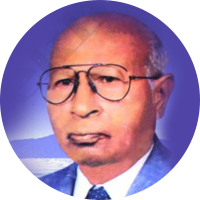
By Mumtaz Hussain
Scientifically exploring the relationship between form and meaning within the realm of literature is a highly complex task. This issue only began to be properly understood with the emergence of the school of dialectical materialism; prior to that, it was exclusively the domain of thinkers from the idealist school.
The idealist school refers to the philosophical tradition that prioritizes ideas over matter. It explains the relationship between the two by asserting that ideas are what set matter into motion. Following this logic, Aristotle identified form as the driving force of art. He associated form with the mind's imaginative faculty, which, at its highest level, is linked to a transcendental power. He argued that matter is inherently formless; what gives it shape is the formative power of the idea—that is, the sense of form. I felt it necessary to mention this because this very concept was also prevalent in our own literary tradition.
This does not mean that meaning was entirely disregarded in our tradition. However, whenever it came to evaluating art and literature, the crafting of form was ultimately deemed the true essence of art. The result is obvious: no matter how often we reiterate the importance of meaning, many of our classical poets cannot escape the charge of formalism. Consequently, whenever our society reached a point where the mere imitation of ideas was equated with beauty, poetry and literature were reduced to nothing more than an obsession with form. Today, as new forces bring forth new ideas, the slumbering guardians of poetry and literature clear their throats to protest, claiming that these new works completely lack the spectacle of illusion and the splendor of form.
If we continue to engage in their debates based on archaic assumptions, this dispute will never be resolved. They need to be told that modern scientific and sociological knowledge has yielded new insights into life and matter. Everything in the world is fundamentally material. The human mind is a product of matter, and human thought is a reflection of material realities—a reflection that, in turn, influences matter. In social life, we perceive this dialectical interplay between matter and thought solely through human action. Just as the interaction between thought and matter, or between social consciousness and life, is dialectical—meaning they mutually influence one another—the relationship between form and meaning is also dialectical. However, just as matter precedes thought and life precedes social consciousness, meaning always precedes form.
Another fundamental truth of this material life is that everything is in a constant state of transformation from one form to another. Every entity in the world harbors its own hidden negation. Through the mutual clash of these internal contradictions, the process of rejection and acceptance, and ultimately the negation of the negation, a new form is continuously born. The dialectics of form and meaning are not exempt from this law. A new meaning inevitably brings forth a new form. When discussing literature, it is not enough to say that the meaning of literature has changed with every era; it is equally true that its form has evolved as well. Regarding meaning, it is easy enough to argue that it has shifted due to new modes of production and the new social relations they have unleashed. However, understanding exactly how changes in form occur is not quite as simple.
The reality is that the relationship between form and meaning is also one of means and ends. A writer in any given social era views the portrait of life through the mirror of what they perceive to be reality. If a writer turns away from material realities and focuses solely on transcendental truths, not only does the purpose of their literature change, but its form alters as well. If one assumes that matter is not self-propelling but is instead set in motion by a transcendental force, then the accurate depiction of thought will inevitably be distorted. Thoughts may remain sensory, but they cannot translate into sensuous activity. Sufi poetry serves as a clear example of this. There, the imagery is highly sensory, yet it lacks the power of action. This would not have been possible unless language was used as a veil to obscure the direct expression of reality, and unless writers sought out ambiguities in expression that allowed for dual meanings. Alternatively, material meaning was treated as merely metaphorical, serving only as a vehicle to reveal a transcendental truth.
Setting aside the Persian *qasida* (panegyric ode)—which originated strictly within the royal courts of Iran—the *ghazal* began to take shape when Iran liberated itself from Arab subjugation. This new spirit of freedom and the transformed environment provided an opportunity for indigenous national characteristics to flourish. The poet Daqiqi became an admirer of both ruby lips and the Zoroastrian faith; if certain historical traditions are to be believed, it would not be wrong to say that he also laid the foundational groundwork for the *Shahnameh*. Meanwhile, Rudaki captured the beauty of a free life amidst lush green meadows. Suddenly, breaking away from the rigid structure of the *qasida*, the *ghazal* came into existence. The very transformation that gave birth to the *ghazal* also altered the form of the *qasida*. *Qasidas* became so infused with the imagery of the Iranian spring and lyrical expression that, at times, the distinction between a *ghazal* and a *qasida* practically vanished.
The social dynamics of a liberated Iran gave birth to a romantic movement within Iranian literature. The uninhibited expression of nationalistic fervor and a pagan lifestyle demanded a certain passion, simplicity, and beauty. For this purpose, the *qasida*—weighed down by Arabic vocabulary and steeped in complex verbal artifice—had become entirely obsolete. Consequently, the *ghazal* and the *masnavi* gained greater prominence. However, when these genres—particularly the *ghazal*—were adopted by the Sufis, a fundamental shift occurred in the language of the form. The Sufis cultivated a state of spiritual intoxication within their minds, employing symbols, similes, and metaphors associated with self-oblivion, ecstasy, and musical trance. This shift in meaning inevitably impacted the form of the *ghazal* as well.
Although the lyricism of the early *ghazals* survived in Sufi poetry, its overall effect was markedly different. Sufi poetry evokes a profound sense of self-surrender, characterized not by passion and dynamic movement, but by deep contemplation and a suspension of action. The primary reason for this was that the Sufi movement emerged as a reaction against the militant actions of the Arabs and their non-sensory perception of reality. If a sensuous expression of reality persisted within this lyricism, it was because Iranian poets, despite holding Islamic beliefs, remained emotionally tethered to Iranian paganism. The poetry of Hafiz serves as an excellent example of this phenomenon.
While Hafiz's ghazals maintain a sense of thematic continuity and emotional unity, the works of later poets like Saib and Kalim reveal a distinct fragmentation. To some extent, this disjointedness is present in the poetry of all Sufi ghazal writers, while non-Sufi poets exhibit it merely as an imitation. Among the various reasons for this fragmentation, one was their tendency to prioritize personal thoughts and ideas over exploring social consciousness in the practical realm. Although individual consciousness is a component of social consciousness, its validity can only be tested on the touchstone of social action. Since Sufis prioritized contemplation over action, they did not feel the need to subordinate their consciousness to social engagement. They sought to bring about a fundamental transformation solely through the propagation of ideas. This is why, until social consciousness awakened in our country in the form of an organized movement, the fragmentation of the ghazal—which was essentially the fragmentation of an individual's thoughts—continued to dominate our minds.
This reality came to light after 1857, as the familial units of the feudal system began to collapse. For the nation and its people to survive, they had to rely on individual units. These individuals, in turn, could only gain strength by assimilating into the nationalism introduced by the capitalist system. While organizations began forming in the name of nationalism on one hand, the dissemination of the material sciences began on the other. As awareness of these developments grew within the middle class, so did the realization of the ghazal's limitations. This awakening of social consciousness gave birth to a new form alongside a new meaning, marking the beginning of the *nazm* (modern poem).
Hali faced a profound dilemma. For natural poetry, it was imperative that words not be used for their secondary meanings; similes and metaphors needed to directly reflect external realities, and thoughts had to be not only sensory but also indicative of practical motivations. However, because Hali was somewhat influenced by revivalism, he could not fully articulate the nationalism and romanticism ushered in by the capitalist system. While he wanted to learn from the Western capitalist system on one hand, he also sought to preserve the moral values of the feudal system on the other. This is why he was unable to transfer the lyricism of the ghazal into his *nazms*. His heart lacked the fervor for uninhibited emotional expression; instead, an internal censor stood guard, whip in hand. The world of the ghazal, however, inherently shuns the censor. As for the tradition of moral poetry, Hali took full advantage of whatever existed within Sufi literature.
These were the realities that caused Hali to shy away from the ghazal. While his reaction against the absurdities of the ghazal was commendable, it must be said that he failed to translate its lyricism and sensory expression of reality into his *nazms*. It has also been a characteristic of moral poetry to draw influence from classical styles. Had Maulana Hali lacked the fervor and enthusiasm of nationalism, he might have, like the English poet Pope, adopted a strictly classical mode of expression. However, because he was a reformist within his religion, much like Milton, he adopted a poetic form that had already served religious purposes: the *Musaddas*. It would perhaps not be incorrect to say that the *Musaddas* form is better suited for oratory than the ghazal or the *nazm*. Hali’s preaching tendency and the ruggedness of his poems make it clear that the lyricism and sensory expression of the ghazal were fundamentally at odds with his reformist mode of address.
The musicality of the ghazal has consistently been blended with intellectual thought. This synthesis is evident in the works of Urfi, Faizi, Ghalib, and Iqbal. However, this musicality cannot be fused with the ready-made concepts of a moral system, especially when those concepts do not stem from the artist's own experiences and observations. A clear example of this can be found in the poetry of Allama Iqbal himself. On one hand, there are his ghazals and *nazms* where his personal thoughts and impressions, after much internal debate and assimilation, emerge as an organic part of his personality. On the other hand, there are *masnavis*, ghazals, and *nazms* where he speaks purely as a preacher. This distinction between a mere versifier (*nazim*) and a true poet (*shair*) exists within the same individual, and it is precisely here that we can discover the law of mutual influence between form and meaning.
Composing poetry is also a craft. There are, of course, other forms of expressing ideas: you converse, engage in debates and arguments, deliver speeches, write essays, or author plays and novels. Yet, the mode of address for each is distinct. You might wish to present a single idea through various artistic mediums, but every art form has certain boundaries. While these boundaries are not inherently its own, nor are they eternal and immutable, they are nonetheless parameters or conventions established to serve specific purposes. These boundaries are designed to maximize impact. There are various ways to engage the human mind: sometimes you employ reasoning and attempt to confine the argument within logical limits; at other times, you set your own personality aside and present reality through the voices of living, breathing characters; and occasionally, you appeal directly to feelings and emotions. In all these forms, the apparent objective remains the same—to convey your message to others—but the paths taken are different. It is true that the end justifies the validity of the means, but the real question is whether that end was actually achieved.
Literature is a medium of social education, but it is a kind of education that can mold human psychology, becoming an integral part of one's conscience and very nature. It awakens human consciousness to such an extent that even in a dream state, one could not forget its impact if they tried. It is in this sense that Stalin referred to the artist as the engineer of the human soul. Literature engages with life on two fronts: on one hand, it incites us to change external realities, and on the other, it aligns human psychology with new values. If literature fails to tap into that reservoir of observations, feelings, and concepts—the recollection of which is beyond the control of ordinary people—then the very need for literature ceases to exist.
Human memory is highly prone to forgetting. It erases the memories of agony and pain, heinous crimes, starvation, famine, and war. A person forgets the stormy tumults of their own love; they forget a mother's affection, a child's joyful babbling—they forget it all. An artist holds superiority over us precisely because they bring these fading images back to life. They do not merely tally events on their fingers; rather, they capture them as living, breathing portraits. Alongside depicting external realities, the artist also presents the ache, the pain, and the aspirations associated with them. Then, moved by these emotions, they channel them into the vanguard of those practical actions that originally inspired the courage to take a step forward.
If this three-dimensional picture does not emerge in literature, we are forced to consider it flawed. We cannot achieve this until we understand the engineering of the human soul. Maxim Gorky once wrote, Since ancient times, writers have cast a net to capture the human soul. If the human soul is not caught in this net, we must admit that either our net is torn, or we are ignorant of our craft.
However, this craft cannot be mastered merely through the juggling of form. Nothing in the world is static or stagnant. Literature is not simply the act of tracing superficial appearances. It is essential to delve into the heart of reality to uncover internal contradictions, recognize the dialectical process, and observe the emerging shape of new forms. In this sense, the boundaries of literature are far wider than those of painting and sculpture. The raw materials of poetry and literature are human memory and words; when these take the shape of expression, they do not merely imprint images on the mind, but rather awaken a specific emotion and the power of action.
A writer or poet who seeks to strip literature of emotion and the power of action typically falls prey to formalism, as their focus remains fixated on outward appearances. They might succeed in illustrating this external facade, but their literary experience will always remain incomplete because they fail to grasp the underlying reality. The neutrality they display toward a dynamic, evolving reality actually draws them closer to a dying one—even if the analysis of this dying reality, along with its emotional inclinations, has become an integral part of their personality. Nineteenth-century European realists frequently depicted this kind of dying reality with profound detachment. However, the resulting effect fosters notions of melancholy, the purposelessness of life, and the passive individuality of man adrift in the currents of time. What we can learn from these realists is their brevity, comprehensiveness, and scientific use of language. They place every word exactly where it belongs.
In reaction to the intense emotionalism, exaggeration, and hyperbole that characterized expression during the Romantic era, these realists gave rise to an unemotional tone, brevity, and realism. As far as their scientific style of writing is concerned, we embrace it. However, where they have used the veil of emotional detachment to not only ignore the emotional drive of organic life's growing power but also actively avoid acknowledging it, we consider them enemies of reality. While a certain degree of emotional detachment might be justifiable when dealing with a dying reality, displaying such detachment toward a growing reality—one that promises the welfare and betterment of humanity—is tantamount to hostility against humanity itself. Furthermore, stripping literature of its emotional and dynamic inclinations is an inherently anti-social endeavor.
Our knowledge and our art are the products of social endeavor, and they must be utilized solely for social progress. If our art fails to express its allegiance and emotional inclination in the battle between the old and the new, it unconsciously sides with the old. I have highlighted this point because all these factors, which are fundamentally tied to meaning, also exert a profound influence on form.
In Europe, the Romantic movement served as a rebellion against archaic beliefs and ideas. However, because this rebellion was not rooted in the laws of social evolution, its expression remained purely emotional, lacking the integration of science and rational thought. While on one hand, it offered the dream of an idealistic crusade, on the other, it engaged in the blind worship of the past. Nevertheless, its passionate advocacy for the welfare of mankind and its opposition to classical formalism are achievements that history cannot forget. Yet, the movement's emotional exaggeration, its reliance on coincidence, and its failure to recognize the dictates of necessity ultimately rendered it incapable of effectively depicting reality.
Similarly, Naturalism, which emerged in Europe as an offshoot of realism, became so deeply bogged down in the minutiae of objects that true reality was entirely obscured from its view. No literature in the world can exist without generalization; just as every generalization contains detail, every detail inherently contains an element of generalization. Relying solely on detailing is just as detrimental as relying solely on generalization. Just as pure generalization reduces literature to mere philosophy, pure detailing reduces it to a superficial report. A lack of generalization diminishes the power of thought. All these flaws stem from a failure to comprehend the fundamental reality of social life.
Just as we can only understand the true essence of a stone by splitting it open, we can only capture the human soul by observing it amidst the clash of opposing forces in social life. It is not as though every individual in society emerges victorious in this struggle; many collapse from exhaustion, while others actively oppose the dawn of a new life. However, the majority are those who continue to fight this battle, both on the physical battlefield and within their own minds. To grasp the social reality of any era, one cannot ignore these characters who, even if they find themselves in the minority at times, relentlessly continue to wage this war.
This brings us to the question of character archetypes. A realist cannot capture true reality merely by depicting characters who have fallen victim to a dying reality or their oppressive environment. While a picture of that reality does exist, it remains incomplete. To present reality in its entirety, it is essential to select characters who, even when riddled with bullets, continue to hold the banner of humanity aloft. It is precisely here that we are presented with the opportunity to understand the synthesis of form and meaning, as well as their dialectical process.
Assuming we have grasped the dialectical nature of reality, and we have before us the characters and phenomena that embody this reality, the question then arises: how do we present these elements so that they not only appear authentic, alive, and dynamic, but also continually awaken within us the capacity for emotional expression and action? This is a subject that can only be properly examined by looking at the distinct genres of poetry and prose separately.
The realm of poetry differs fundamentally from that of prose. Let us consider poetry first. If we set aside verse dramas and verse novels—which essentially belong to the domain of fiction—and focus solely on the kind of poetry where life’s impressions, thoughts, and observations are composed with ideological unity and discipline, this concept will become much easier to understand.
First of all, the language of poetry is the language of sensory concepts. This is why even the most subtle poetic ideas awaken a feeling or a mental image within us that is directly connected to our senses.
Hum ne Majnoon pe larakpan mein Asad
Sang uthaya tha keh sar yaad aaya
[In my boyhood, Asad, as I picked up a stone to throw at Majnun,
I was suddenly reminded of my own head.]
In this couplet, the word stone does not evoke the image of a specifically shaped rock; rather, it awakens the sensation of the injury felt upon being struck by one. Here, the moment the word head appears, it feels as though a head has just been smashed. The poet could have perhaps expressed this emotion differently, but harmonizing an internal feeling with an external image is a remarkable achievement. So many memories of the past simultaneously rush into the mind, and it is perhaps not incorrect to say that heads are most often broken during childhood. Regardless, the apparent purpose of the mental image presented in this couplet is to express an emotion or sensation. Its true purpose, however, is to convey a moral point. It is possible for this moral point to become so dominant in a poem that the transmission of emotion is entirely lost; in such a case, the poem would be a failure.
This demonstrates that sensation is not separate from perception. Generally, perceiving anything is impossible without sensory input. When the concepts of perceived objects become symbols of truth, they remain fundamentally rooted in sensations. However, the philosophy of the material sciences cannot be entirely free from abstraction. We are not discussing the kind of philosophy and knowledge that is purely imaginative and conceptual—lacking any foundation in human action, experience, and sensation—but rather, we are discussing material philosophy.
Poetry is more effective than philosophy precisely because it attempts to engage the entire process of perception, whereas philosophy bypasses this process to present mere generalizations. This fundamental distinction also influences their respective mediums of expression. A poet must awaken the power of emotion and action by plucking the sensory chords of their impressions, observations, and knowledge. If mental images lack a sensory quality, they cannot generate emotion; and if emotion is not awakened, the ability to perceive reality diminishes. This very necessity compels the poet to employ the language of simile and metaphor. Naturally, unless similes and metaphors are drawn from common observation and connected to our sensory faculties, they cannot successfully transmit emotion.
Driven by this same necessity, poetry drew closer to music, as music acts with great swiftness and intensity to touch our emotions. However, perceiving concrete realities through music alone is difficult unless those sounds are clothed in words. When discussing the form and meaning of poetry, two things must be kept in mind. First, similes and metaphors should not be far-fetched, overly complex, convoluted, or drawn from highly unusual experiences, such as the realm of dreams. Second, their expression must possess a musicality that facilitates the transmission of emotion. This musicality is itself the result of the unity between the poet’s organized emotions and their expression of thought.
While the feeling of affinity naturally arises from beautiful similes and metaphors, you will fail if you rely on distorted similes and metaphors to awaken the feeling of hatred. Blemished and grotesque mental images may induce revulsion, but they cannot awaken a constructive, value-creating hatred. This cannot be achieved through metaphors of pus and festering wounds. The impulse for value-creating hatred and destruction is just as sacred as the impulse for construction and creation. However, this emotion can only inspire us to action when we present it as a beautiful, vital force of life. Makhdoom Mohiuddin has captured this emotion brilliantly in his poem Haveli.
Now we must consider what kind of form is required for this type of meaning and purpose in poetry—or, rather, how meaning influences our mode of expression. All the world's languages have certain limitations. The language and stylistic conventions we have inherited can impact the transmission of our objectives. Our effort should be to ensure that these limitations obstruct our expression as little as possible. Until a language evolves through sufficient social engagement—thereby developing greater flexibility and elegance in expression—we cannot truly overcome its limitations. Furthermore, our goal is not merely to express our thoughts, but to present our thoughts and emotions with profound impact, infusing them with the utmost charm, magnetism, and beauty. To achieve this, we must critically evaluate the entire treasury of poetic literature and examine folk songs and popular music.
For our revolutionary poets who write in Urdu, an outright rebellion against the language of the *ghazal* is no easy task. Buried within the language of the *ghazal* is a seven-hundred-year-old poetic treasury. This treasury is not exclusively courtly; it contains the essence of the sorrowful lives of common people, their rebellion, their resolve, and their high-mindedness—it encompasses everything. Today, there is a need to sift through this treasury, a task akin to panning for gold in the dirt. Gold, after all, is recovered only in tiny grains. While the shadow of Sufism may have hovered over the poetic form of the *ghazal* on one hand, on the other, it has provided a profound avenue for romantic rebellion, lyricism, deep philosophical thought, and sensory expression.
Furthermore, hidden within its layers of meaning are precious pearls of profound humanism and social critique. No matter how ancient this humanism may become, it can never be entirely meaningless to us. It is our responsibility to critically evaluate these traditions—accepting some aspects and rejecting others—and carry them forward to bring about a new qualitative transformation. Those revolutionary poets of ours who have attempted to cast the lyricism and romantic rebelliousness of the *ghazal* into the mold of a scientific revolutionary consciousness have achieved considerable popularity.
It is a different matter that their romantic conception of life often falls short of evoking a truly revolutionary meaning. This is a flaw in their ideological framework, which fails to influence their expression strongly enough to dispel the inherent ambiguity of the *ghazal*. If the revolutionary consciousness is sharp and the emotions carry a revolutionary elegance, our *nazms* and *ghazals* can emerge with a newfound beauty. Among contemporary poets, Sahir has cultivated this beauty in works like Naya Safar Hai Puranay Charagh Gul Kar Do and Ahang-e-Inqilab. This beauty can also be glimpsed in certain modern *ghazals* that express revolutionary themes with a sustained continuity and unity of thought. Harmonizing revolutionary meaning with the lyricism of the *ghazal*—in a way that births a new melody, a new awareness, and an edge of dynamic action within the words—is a formidable task. But art is a labor of lifeblood, and today's writer must perhaps work harder than ever before. Being more highly conscious, the modern writer must focus their attention equally on both form and meaning.
He cannot tolerate looseness, ambiguity, wordplay, convoluted thoughts, far-fetched similes and metaphors, or purely conceptual expression. To hastily surrender in such circumstances and rebel against healthy past traditions to the point of disfiguring the very form of poetry and song is merely an admission of one's own weakness. When Pushkin began writing poetry in Russia, he possessed far less of a literary heritage than we do today. During an era when the Russian aristocracy was busy imitating French literature on the literary front, Pushkin polished and refined the expressive power of his native tongue. He borrowed elements from folk songs and tales. By enriching his work with the sentiments and ideals of democracy and freedom, he laid the foundation for a new kind of poetry for the Russian masses—one distinct from the poetry of the elite, elevated above mere folk songs, and brimming with a musicality, essence, vitality, and spirit of freedom that remains the most treasured asset of Russian democratic literature.
Today, Pushkin is on the lips of the entire nation. In this sense, Pushkin is the most profoundly Russian of all. It is difficult, at least for me, to explain why England could not produce another Shakespeare, Germany another Goethe, or Iran another Ferdowsi or Hafiz. Yet, it remains a fact that even today, their works are read with immense devotion, not only in their homelands but across the world. I do not consider this a miracle, nor am I willing to accept that the age of poetry has come to an end. It is true, however, that following the Romantic era, poetry suffered greatly at the hands of lifeless realism and formalism. These trends were byproducts of the decay of the capitalist system. When poetry eventually became aware of its own stark formalism and lifelessness, it began to retreat into the realms of illusion, the subconscious, and obscurity.
It attempted to evade the contradictions of the capitalist system, and the more it shied away from the real problems of life, the more it bred intellectual chaos and disharmony. To accommodate this intellectual chaos and unemotional expression, it forged new forms that might disrupt emotional coherence but hold no potential for aligning with new values. This kind of poetry exists in our language as well, though in very small quantities. It has found expression in the blank verse of Meeraji and other similar poets. This genre is relatively new to our language, with its history tracing back to the era of Ismail Merethi. Blank verse is merely a genre, and the concept of form cannot be applied exclusively to verse.
In my view, the only successful blank verse poems are those that incorporate internal musicality and sensory realism. In this regard, poetry has acquired a new kind of wealth—the towering structures of simile and metaphor. Here, a metaphor unfolds as a complete image, and then that image embarks on its own journey. Currently, there seems to be greater scope for this kind of literary realism in blank verse, but it is not difficult to sustain in structured poems and ghazals, provided we redefine the concept of structural constraints. If, instead of strictly adhering to *qafiya* (rhyme) and *radif* (refrain), we simply require words of the same meter, the realm of structured poetry would become much more expansive. However, all these experiments remain subordinate to our overarching purpose and meaning.
If we present our consciousness and emotions through forms and imagery that are unfamiliar to the masses, and which fail to aid in their education, then we must abandon these new experiments. Instead, we should adopt modes of expression they are accustomed to and traditions they recognize. In today’s age, as we strive to popularize culture and literature and utilize them as tools for public education, we must be particularly mindful of the kind of musicality, imagery, and expressive styles that truly resonate with their hearts. While a writer learns from the people, he also imparts something to them in return. This reciprocal process of learning and teaching is inextricably linked to the psychology of communication, engagement, and education. If you speak down to the masses from a pedestal and consider that to be educating them, the day is not far when they will simply say:
*Zaban-e-yar-e-man Turki wa man Turki nami danam*
[My beloved speaks Turkish, and I do not know Turkish.]
Sometimes, this task can also be accomplished through oratory, but this oratory must be in harmony with poetry, because alongside communicating ideas, we are also creating poetic literature. We are continuously forging emotional frameworks that are vibrant and sensory, which linger and resonate in the mind and intellect for years. This quality can only be achieved through a profound study of human psychology, examining it within the context of social relations. By observing the structure of emotional coherence shaped by these relations, we must discover which impulses leave an ache that remains locked in human hearts for centuries; which passions drive people forward, rendering them oblivious to death; and which consciousness continuously scrapes away at the wounds of the heart to heal them.
This human being is made of flesh and blood. Alongside him exists the history of his emotions and thoughts. He has shaped his history under the influence of subconscious drives in the past, just as he shapes it through conscious passions today. The crucial question is: at what stage of consciousness and emotion does our audience currently stand? How can their consciousness be spurred, and how can a storm be stirred within their emotions? Many clues to this can be found in the literary frameworks left behind by our humanist poets. If those emotional frameworks are intertwined with musicality, we must ask ourselves whether our arrow is missing its mark—whether the hearts we wish to pierce are truly infused with our lifeblood. This very intimacy between the speaker and the audience, this profound bond between the poet and society, not only keeps the poet closely tethered to the lives of the masses but also aligns him intimately with their thoughts and emotions.
If a poet’s work lacks the reflection of his own environment, his own culture, and his own history, he can never achieve international resonance. It is only by examining the conscience and essence of his own people, in the light of his nation's social relations, that he can truly reach the people of other nations. To the extent that his insights hold true for his own people, they elevate into universal truths for the people of other countries. When he ascends from the national to the international level through this dialectical process, he becomes a herald for all of humanity, because the fundamental struggles of all human beings across the globe are essentially the same. They all desire a better life and share an intuitive vision of humanity. However, to reach this destination, a poet or writer cannot afford to ignore the national character of his own culture. What ultimately binds him to an international fellowship is the democratic and socialist substance of his work.
The battle between the new and the old has occurred in every country and society. World history sheds light on the history of one's own country. International literature is studied so that it becomes easier to understand our own literature and our audience. But when the oppressed and subjugated of one's own country need to be inspired toward a new stage of life, this education is utilized to present the new reality in the beloved attire of our ancestors. Since the relationship between reality and expression is dialectical, the arrival of a new reality also changes the old attire; new meaning is born in words, new power in similes, and new life in metaphors. It is a great achievement of any artist to give an old form a new shape. Many old forms of folk literature and music have been adopted in this very sense.
The new power generated by this method expands the possibilities for national literature to rapidly absorb the influences of international literature. However, when literature is divided into separate compartments of form and meaning, and only forms are analyzed, not only does formalism inevitably take over, but literature also becomes lifeless.
You express your meaning through the words of your own language. Fortunately or unfortunately, the words of this language have a history. At different turns of life, they have been used for different kinds of expression. In the language of the *ghazal*, there is a danger that ambiguity might remain, because the language of the *ghazal* has historically been used to create ambiguity. The way to avoid this is not to abandon its vocabulary altogether, but rather to eliminate its ambiguity through the clarity of our thought, and to change the imaginative direction of old similes and metaphors.
However, the language of the *ghazal* cannot become the language of science, because it is the language of poetry. It was devised for the construction of mental imagery. I would now like to present a few couplets from contemporary *ghazals* that contain absolutely no ambiguity:
Dagh hain astan-e-Adam par
Asmanon ki jabba-sai dekh
[They are stains upon the threshold of humanity;
Behold the heavens rubbing their foreheads in prostration.]
Ban gaye hain gunah ke madfan
Parsaon ki parsai dekh
[They have become the burial grounds of sin;
Behold the piety of the pious.]
Ae nizam-e-kuhan kuch ahat le
Woh dabe paon maut aayi dekh
[O ancient order, listen to the footsteps;
Behold, death has arrived on tiptoe.]
Manzilen gard ki manind uri jati hain
Wohi andaz-e-jahan-e-guzaran hai ke jo tha
[Destinations are blown away like dust;
The fleeting world's manner remains just as it was.]
Sans hai garm-o-tez seene mein
Hui jati hai der jeene mein
[The breath is hot and fast within the chest;
There is a delay in truly living.]
Phonk dale jo nazm-e-kuhna tamam
Aag aisi ho tere seene mein
[That which burns down the entire ancient order;
May such a fire burn within your chest.]
Hazar bar zamana idhar se guzra hai
Nayi nayi si hai kuch teri rahguzar phir bhi
[A thousand times the age has passed this way;
Yet your pathway still feels somewhat new.]
Yeh bazm-e-aam bhi ae dost bazm-e-aam nahin
Nigahen uthti hain lekin kisi kisi ke liye
[This public gathering, O friend, is no ordinary gathering;
Glances are raised, but only for a chosen few.]
Isi duniya ke kuch naqsh-o-nigar ashaar hain mere
Jo paida ho rahi hai haq-o-batil ke tasadum se
[My verses are but the patterns and portraits of this very world;
Which is being born from the clash of truth and falsehood.]
Gham-e-hayat wohi, daur-e-kainat wohi
Jo zindagi na badal de woh zindagi kya hai
[The sorrow of life is the same, the cycle of the universe is the same;
What is life if it does not transform life itself?]
Zameen jaag rahi hai ke inqilab hai kal
Woh raat hai koi zarra mahv-e-khwab nahin
[The earth is awake, for tomorrow brings revolution;
It is a night where not a single atom is lost in sleep.]
Bazm-e-fitrat ka jamal aaina dar aaina hai
Door tak khatam nahin silsile nazaron ke
[The beauty of nature's gathering is mirror upon mirror;
The chains of vistas do not end for miles.]
Agar badal na diya aadmi ne duniya ko
To jaan lo ke yahan aadmi ki khair nahin
— Firaq
[If man does not change the world;
Then know that there is no salvation for man here.
— Firaq]
These are the kinds of couplets that contain absolutely no ambiguity. Apart from such verses, many old symbols and allusions are being used in modern *nazms* and *ghazals* whose imagery or symbolic direction has been altered:
Mizaj-e-ishq ko lazim hai ab badal jana
Ke kuch dinon se to sunte hain husn bhi hai hazeen
— Firaq
[It is now imperative for the temperament of love to change;
For lately, we hear that beauty, too, is sorrowful.
— Firaq]
Or almost all the stanzas of Makhdoom's poem Inqilab (Revolution):
Ae jaan-e-naghma jahan sogwar kab se hai
Tere liye yeh zameen be-qarar kab se hai
Hujoom-e-shauq sar-e-rahguzar kab se hai
Guzar bhi ja ke tera intezar kab se hai
[O soul of the melody, how long has the world been in mourning?
How long has this earth been restless for you?
How long has the throng of desire waited on the pathway?
Pass through now, for how long have we awaited you?]
It is my personal opinion that any Muslim could read this stanza by Makhdoom as a passionate anticipation of the Promised Messiah, yet this does not diminish the beauty of the stanza. Similarly, the couplets of Firaq Gorakhpuri that I have presented can be recited on appropriate occasions by any group that wishes to utilize the concepts of life, revolution, change, and transformation. However, this opportunism does not create any deficiency in these verses. Poetry and literature are about human life and the common people, and if any group exploits the restless turning and yearning of their lives, the fault lies neither with the poet nor the poem. The fault lies with that class or group which forcibly seeks to use the poet's inner thoughts for its own personal motives, or wishes to imprison them within its own ideologies.
Many Muslim League leaders might use Firaq Gorakhpuri's verses to adorn their speeches, but does this mean that Firaq Gorakhpuri wrote those verses with the Muslim League in mind? I myself have continuously used various couplets by Allama Iqbal, even though the consciousness and objectives under which he wrote them are different from my own consciousness and objectives. Nevertheless, to the extent that the objectivity of external realities is present in them, and his personal beliefs do not overshadow those verses, I use them. If poetry possesses such comprehensiveness and universality that it finds its way onto the tongues of the majority of people, it does not mean that it compromises our class alignments. Often, even our enemies hum our verses, even if they do so in secret. Gorky and Romain Rolland are praised by the bourgeois class as well, and Sholokhov's novel *And Quiet Flows the Don* became popular among the Western bourgeoisie too, even if their style of praise and critique differs from ours.
However, we have not inherited only the language of the *ghazal*. We have also inherited the language of the *masnavi*, the *marsiya*, and the *nazm*. These genres possess great mastery in expressing external realities. The clarity, simplicity, fluency, and continuity of their expression can dispel the intense subjectivity and fragmentation of the *ghazal*. Similarly, the epic elements of our *marsiya* can prove successful in the creation of revolutionary poems. Kaifi Azmi has derived great benefit from this in his revolutionary poetry. All these matters require detailed attention, and there is a dire need for us to work on them.
The forms of Urdu prose have similarly been determined by meaning and purpose. Urdu prose originated with Sufi treatises and *dastans* (epics). The objective of the Sufis was to convey their thoughts to others in one form or another. They had no standard of Urdu prose before them, nor did their prose writers possess the capability to create a standard themselves. Because the best minds of that era were engaged in the creation of poetic literature, the result was that the language of these treatises could not become the standard for prose expression. Consequently, for prose expression, people were forced to lean toward the traditions of Persian prose.
The prose of Abul Fazl and Zahuri was the prime example of an obsession with form. Their ideas lacked originality and innovation. They wrote prose merely to showcase their linguistic erudition and craftsmanship. While this style of Persian prose could transcend everyday reality to become the language of formal correspondence, commendations, and prefaces, it could not serve as the language of *dastans* (epic romances). This is because *dastans* required a certain degree of fluency and smoothness. *Nau Tarz-e-Murassa* is certainly ornate, but it is not obscure. Mir Amman was the true creator of Urdu prose. However, despite his desire to mold the spoken word into written form, he could not completely free himself from the use of rhetorical devices. Alongside balanced words and phrases, one occasionally finds a deliberate use of rhyming prose. This shows that even in the hands of Mir Amman, Urdu prose could not entirely break free from the traditions of Persian prose. This was not limited to Mir Amman alone; even a masterful artist like Ghalib, who famously transformed letter-writing into a conversation, continued to employ these stylistic embellishments.
Emulating Ghalib’s prose became difficult precisely because it was so highly artistic. While it occasionally achieves a perfect synthesis of form and meaning, it also contains glimpses of an obsession with form. It was ultimately through the efforts of Sir Syed that Urdu prose was liberated from the lingering effects of rhetorical artifice. Even Sir Syed arrived at this realization quite late. The language of his early work, *Asar-us-Sanadid*, is highly formal and ornate, whereas the prose style of the Sir Syed Movement is entirely natural and unpretentious. This necessity arose from a revolutionary shift. As long as ideas remain stagnant and revolve around established values, the general tendency is to spend more time on formal embellishment. However, when streams of new ideas burst forth from the womb of the old way of life, they inevitably carve out new paths for themselves.
Had Sir Syed confined himself merely to moral preaching and advice, he could never have endowed the Urdu language with such expansiveness. This breadth was achieved by introducing subjects related to science and the physical sciences. Yet, it was not just the subject matter that determined Sir Syed’s style; his underlying purpose played an equally crucial role. He wanted to convey his ideas to the widest possible audience. Both of these factors profoundly influenced his prose style. His language is accessible to the middle class and is largely realistic. However, Sir Syed’s language does not pave the way for the expression of deep emotions.
It is, to some extent, capable of imaginative flights. This was because Sir Syed needed to idealize and present bourgeois values, which would have been impossible without a touch of imaginative coloring. A prime example of this can be found in his imaginative essays. Even so, these essays lack emotional flow—a trait that holds true for all the rationalist reformers of the Sir Syed School. These writers might have offered us much more had they fully embraced materialist philosophy, much like the rationalist thinkers of France. Nevertheless, Sir Syed contributed immensely through his personal efforts, and he remains the only figure in this school who was minimally influenced by revivalism. In contrast, writers like Deputy Nazir Ahmad were heavily influenced by revivalist tendencies.
This is precisely why Nazir Ahmad could not adopt the form of the nineteenth-century European novel. The form of his novels instead represents an earlier era when the genre was used to preach Christian values. Maulana’s characters are strictly compartmentalized into moral categories. They possess no internal conflict of their own. They merely engage in debates with opposing moral values. In this way, the entire journey of the novel is traversed purely through the intellect. While novels of this kind are not necessarily engaging, Maulana’s novels are undeniably interesting. The reason for this is that he wrote with a keen awareness of his audience's psychology. Most of his novels were specifically written to serve as educational syllabi for young boys and girls.
Following this comes the romantic era of Urdu prose. Maulana Abdul Halim Sharar heavily imitated the novels of Walter Scott, but alongside this, he engaged in a blind worship of the past. He dramatized the historical achievements of the Islamic era. Because Sharar was deeply influenced by a revivalism of antiquity, he made it his mission to find equivalents to the values introduced by the Christian West within his own historical past. The freedom of love was a value brought about by the capitalist system. Maulana left no stone unturned in adopting this value as well. Ultimately, it was the Muslims themselves who raised voices of protest, questioning the absurdity of this approach.
Nevertheless, Maulana’s romanticism persisted in his reliance on profound emotionalism, reverence, exaggeration, and hyperbole. These elements deeply influenced both his prose style and the form of his novels. His style is characterized not only by exaggeration and hyperbole but also by an intense imaginative coloring. While his writing possesses a certain fluidity due to its emotionalism, it has absolutely no connection to realism. The characters in his novels are not lifelike. His plots suffer from predictability and monotony. However, this style undeniably paved the way for the literary expression of emotions.
The first true realist novelist in Urdu is Mirza Muhammad Hadi Ruswa. He was genuinely influenced by nineteenth-century realism. He does not employ the language of exaggeration and hyperbole, nor does he set his characters off on romantic quests. On the contrary, his characters must face significant hardships and obstacles to move forward in life. Because Mirza Sahib was free from revivalist tendencies, his writing remains entirely untainted by its effects. There is no doubt, however, that his observation is somewhat superficial. He merely scratches the surface; he is neither a master of intricate detail, nor does his brevity possess the comprehensiveness required to encapsulate the entirety of reality. Nevertheless, he played a monumental role in establishing Urdu prose on the foundations of realism. The superficiality in Mirza Sahib’s work also stems from the fact that he wrote novels primarily to earn a living. He never spent much time refining his novels, which is why, with the exception of *Umrao Jaan Ada*, none of his works demand serious critical attention—and it is only this masterpiece that is truly free from superficiality.
Munshi Premchand drew upon these very traditions. He is neither a romantic nor the kind of nineteenth-century realist who would limit himself to the mere detailing of events or express a sense of detachment from reality. Because he was a reformist and a humanist, he combined the depiction of social phenomena with emotional sympathy and the preaching of a reformist philosophy. His sympathies lie not only with the oppressed and the subjugated, but also with the virtuous individuals of the upper class. However, because he prioritizes intention over action, he is not a strict realist. He does not romanticize the lives of peasants. He does not exaggerate when depicting events, nor does he color objective reality with his own imagination. Yet, when he becomes a propagandist for Congress politics and compels village landlords to undergo a change of heart, his didactic tone abandons realism. But when he focuses on the mechanics of social change, he comes close to socialist realism. Premchand achieved this pinnacle only in his novel *Godaan*.
Following this brief overview, I wish to arrive at the fundamental truth that, whether consciously or subconsciously, your meaning and your purpose dictate your literary forms. If your mind is muddled, your literary form will be equally muddled. If you do not feel the need for your ideas to reach the widest possible audience, you will naturally avoid forms that are popular among the masses. Conversely, if you wish to convey your clear thoughts, impressions, observations, and feelings to others through a structured mental unity—and if you wish to evoke a similarly structured unity in their emotions—then you must carefully consider the elements that lend impact to your words and breathe life into your imagery.
Whether it is a short story or a novel, the true measure of its success lies in how convincingly it portrays the workings of life and the mechanics of social change. This believability can only be achieved when the characters are natural—when they move and speak of their own accord. If you feel compelled to speak through them, you must introduce characters whose type and class genuinely represent your own. It is poor practice in class partisanship and emotional expression to step in and say what you cannot naturally make your characters say. True artistic merit lies in selecting characters who can organically voice your innermost thoughts. Your class allegiances and emotional sympathies should be reflected in your choice of characters. The second condition of realism is that you utilize essential details to arrive at meaningful conclusions, philosophies of life, and broader generalizations that benefit the reader, rather than getting bogged down in the minutiae of details and losing sight of reality altogether.
Reality cannot be grasped merely by recounting events or by isolating a specific phenomenon from the broader context of reality. To truly arrive at reality, one must delve into the foundations of social evolution to determine the pace and direction of social progress. Suppose you have depicted a particular social phenomenon with absolute conviction. Even then, if that phenomenon does not guide the reader toward a deeper truth, or if it fails to expose its underlying contradictions, you have failed in your depiction of reality. Characters and phenomena are merely vehicles for reaching the truth. If you observe closely, you will conclude that without an understanding of the reality of your society and its underlying system, your selection of characters and phenomena will lack unity and coherence. Your choices will be arbitrary or driven by mere personal preference. Conversely, if you truly understand the reality of your society and system, you will select phenomena and characters capable of revealing the entire mechanism of that reality.
The life of the courtesan, prostitution, and sexual repression are not the defining phenomena of the capitalist system; rather, these issues have persisted since the era of slavery. The capitalist system has merely altered their outward form. If one attempts to uncover the exploitative foundations of this system through these phenomena, the process becomes highly convoluted. The escalating contradictions of the capitalist system have made reality so glaringly obvious that it must be understood directly. That reality is the fundamental conflict between labor and capital. That reality is the war between the peasant and the landlord. That reality is the economic struggle of the common people and their fight against subjugation. These realities are absolute; they are living and dynamic. We witness these clashes every day, and we even feel their impact on a deeply personal level. Why, then, are we unable to translate them into our literary experiences?
The primary reason for this failure is that these writers belong to a class that, despite taking the direct blows of economic struggle and destitution upon its own chest, still attempts to avert its gaze. It looks away in the vain hope that its fortunes might somehow change. But this fate is not a matter of chance or accident. The making and breaking of this destiny is governed by the external laws of a system entirely devoid of sympathy, remorse, or humanitarian concern. True agency over one's destiny lies in understanding the laws of this system and actively working to dismantle it. This system is currently being overthrown by the united efforts of workers and laborers worldwide. In fact, across parts of the globe, this system has already been transformed. If middle-class writers fail to perceive this reality, they will never be capable of creating literature that is truly vital and alive.
It is this very social and literary consciousness, this very meaning and theoretical perception of reality, that sculpts a form out of the raw material of dynamic life. This form proves its vitality, movement, truth, and beauty by telling its own story while pointing the way toward its ultimate destination. Here, form, meaning, and creative passion operate as an organic unity. If the perception of reality is incomplete and the mind is clouded, the creative passion will remain stunted, and the resulting form will be meaningless. The relationship between form and meaning is even more intimate than that of flesh and blood. Just as only healthy blood can develop beautiful muscles, only a living, dynamic reality—that is, a healthy meaning—can sculpt a beautiful form. Even if a form is somehow constructed from diseased and impure blood, it can never possess true beauty.
This beauty, which emerges from the dialectical relationship between meaning and form, and which exists as an organic entity within their interplay—this beauty, which champions emerging realities and embraces the future—also demands attention, much like an innocent child. You must write only the exact word that is required, the one for which there is no substitute. You must employ only as much detail as is strictly necessary, and utilize only as much revolutionary romanticism as is required to bring the new reality to light.
And if, after all this effort, your writing remains lifeless and devoid of beauty, you must ask yourself: Am I being dishonest? Is there a contradiction between my ideology and my actions? Is my sympathy merely superficial, and my conviction wavering? If the answer to this is somewhat encouraging, you should ask a second question: Did I choose this path after truly recognizing my own abilities? Did I seize upon my memory with the full force of my consciousness and emotion? Did I peel back all its layers to examine the entire treasure within? While writing, was the wound in my heart laid bare, and were my eyes fixed upon visions of the future? And if you find the answer to be in the affirmative, then rest assured that whatever you have written is right, and anyone who denies it is undoubtedly your enemy.
By Mumtaz Hussain
Scientifically exploring the relationship between form and meaning within the realm of literature is a highly complex task. This issue only began to be properly understood with the emergence of the school of dialectical materialism; prior to that, it was exclusively the domain of thinkers from the idealist school.
The idealist school refers to the philosophical tradition that prioritizes ideas over matter. It explains the relationship between the two by asserting that ideas are what set matter into motion. Following this logic, Aristotle identified form as the driving force of art. He associated form with the mind's imaginative faculty, which, at its highest level, is linked to a transcendental power. He argued that matter is inherently formless; what gives it shape is the formative power of the idea—that is, the sense of form. I felt it necessary to mention this because this very concept was also prevalent in our own literary tradition.
This does not mean that meaning was entirely disregarded in our tradition. However, whenever it came to evaluating art and literature, the crafting of form was ultimately deemed the true essence of art. The result is obvious: no matter how often we reiterate the importance of meaning, many of our classical poets cannot escape the charge of formalism. Consequently, whenever our society reached a point where the mere imitation of ideas was equated with beauty, poetry and literature were reduced to nothing more than an obsession with form. Today, as new forces bring forth new ideas, the slumbering guardians of poetry and literature clear their throats to protest, claiming that these new works completely lack the spectacle of illusion and the splendor of form.
If we continue to engage in their debates based on archaic assumptions, this dispute will never be resolved. They need to be told that modern scientific and sociological knowledge has yielded new insights into life and matter. Everything in the world is fundamentally material. The human mind is a product of matter, and human thought is a reflection of material realities—a reflection that, in turn, influences matter. In social life, we perceive this dialectical interplay between matter and thought solely through human action. Just as the interaction between thought and matter, or between social consciousness and life, is dialectical—meaning they mutually influence one another—the relationship between form and meaning is also dialectical. However, just as matter precedes thought and life precedes social consciousness, meaning always precedes form.
Another fundamental truth of this material life is that everything is in a constant state of transformation from one form to another. Every entity in the world harbors its own hidden negation. Through the mutual clash of these internal contradictions, the process of rejection and acceptance, and ultimately the negation of the negation, a new form is continuously born. The dialectics of form and meaning are not exempt from this law. A new meaning inevitably brings forth a new form. When discussing literature, it is not enough to say that the meaning of literature has changed with every era; it is equally true that its form has evolved as well. Regarding meaning, it is easy enough to argue that it has shifted due to new modes of production and the new social relations they have unleashed. However, understanding exactly how changes in form occur is not quite as simple.
The reality is that the relationship between form and meaning is also one of means and ends. A writer in any given social era views the portrait of life through the mirror of what they perceive to be reality. If a writer turns away from material realities and focuses solely on transcendental truths, not only does the purpose of their literature change, but its form alters as well. If one assumes that matter is not self-propelling but is instead set in motion by a transcendental force, then the accurate depiction of thought will inevitably be distorted. Thoughts may remain sensory, but they cannot translate into sensuous activity. Sufi poetry serves as a clear example of this. There, the imagery is highly sensory, yet it lacks the power of action. This would not have been possible unless language was used as a veil to obscure the direct expression of reality, and unless writers sought out ambiguities in expression that allowed for dual meanings. Alternatively, material meaning was treated as merely metaphorical, serving only as a vehicle to reveal a transcendental truth.
Setting aside the Persian *qasida* (panegyric ode)—which originated strictly within the royal courts of Iran—the *ghazal* began to take shape when Iran liberated itself from Arab subjugation. This new spirit of freedom and the transformed environment provided an opportunity for indigenous national characteristics to flourish. The poet Daqiqi became an admirer of both ruby lips and the Zoroastrian faith; if certain historical traditions are to be believed, it would not be wrong to say that he also laid the foundational groundwork for the *Shahnameh*. Meanwhile, Rudaki captured the beauty of a free life amidst lush green meadows. Suddenly, breaking away from the rigid structure of the *qasida*, the *ghazal* came into existence. The very transformation that gave birth to the *ghazal* also altered the form of the *qasida*. *Qasidas* became so infused with the imagery of the Iranian spring and lyrical expression that, at times, the distinction between a *ghazal* and a *qasida* practically vanished.
The social dynamics of a liberated Iran gave birth to a romantic movement within Iranian literature. The uninhibited expression of nationalistic fervor and a pagan lifestyle demanded a certain passion, simplicity, and beauty. For this purpose, the *qasida*—weighed down by Arabic vocabulary and steeped in complex verbal artifice—had become entirely obsolete. Consequently, the *ghazal* and the *masnavi* gained greater prominence. However, when these genres—particularly the *ghazal*—were adopted by the Sufis, a fundamental shift occurred in the language of the form. The Sufis cultivated a state of spiritual intoxication within their minds, employing symbols, similes, and metaphors associated with self-oblivion, ecstasy, and musical trance. This shift in meaning inevitably impacted the form of the *ghazal* as well.
Although the lyricism of the early *ghazals* survived in Sufi poetry, its overall effect was markedly different. Sufi poetry evokes a profound sense of self-surrender, characterized not by passion and dynamic movement, but by deep contemplation and a suspension of action. The primary reason for this was that the Sufi movement emerged as a reaction against the militant actions of the Arabs and their non-sensory perception of reality. If a sensuous expression of reality persisted within this lyricism, it was because Iranian poets, despite holding Islamic beliefs, remained emotionally tethered to Iranian paganism. The poetry of Hafiz serves as an excellent example of this phenomenon.
While Hafiz's ghazals maintain a sense of thematic continuity and emotional unity, the works of later poets like Saib and Kalim reveal a distinct fragmentation. To some extent, this disjointedness is present in the poetry of all Sufi ghazal writers, while non-Sufi poets exhibit it merely as an imitation. Among the various reasons for this fragmentation, one was their tendency to prioritize personal thoughts and ideas over exploring social consciousness in the practical realm. Although individual consciousness is a component of social consciousness, its validity can only be tested on the touchstone of social action. Since Sufis prioritized contemplation over action, they did not feel the need to subordinate their consciousness to social engagement. They sought to bring about a fundamental transformation solely through the propagation of ideas. This is why, until social consciousness awakened in our country in the form of an organized movement, the fragmentation of the ghazal—which was essentially the fragmentation of an individual's thoughts—continued to dominate our minds.
This reality came to light after 1857, as the familial units of the feudal system began to collapse. For the nation and its people to survive, they had to rely on individual units. These individuals, in turn, could only gain strength by assimilating into the nationalism introduced by the capitalist system. While organizations began forming in the name of nationalism on one hand, the dissemination of the material sciences began on the other. As awareness of these developments grew within the middle class, so did the realization of the ghazal's limitations. This awakening of social consciousness gave birth to a new form alongside a new meaning, marking the beginning of the *nazm* (modern poem).
Hali faced a profound dilemma. For natural poetry, it was imperative that words not be used for their secondary meanings; similes and metaphors needed to directly reflect external realities, and thoughts had to be not only sensory but also indicative of practical motivations. However, because Hali was somewhat influenced by revivalism, he could not fully articulate the nationalism and romanticism ushered in by the capitalist system. While he wanted to learn from the Western capitalist system on one hand, he also sought to preserve the moral values of the feudal system on the other. This is why he was unable to transfer the lyricism of the ghazal into his *nazms*. His heart lacked the fervor for uninhibited emotional expression; instead, an internal censor stood guard, whip in hand. The world of the ghazal, however, inherently shuns the censor. As for the tradition of moral poetry, Hali took full advantage of whatever existed within Sufi literature.
These were the realities that caused Hali to shy away from the ghazal. While his reaction against the absurdities of the ghazal was commendable, it must be said that he failed to translate its lyricism and sensory expression of reality into his *nazms*. It has also been a characteristic of moral poetry to draw influence from classical styles. Had Maulana Hali lacked the fervor and enthusiasm of nationalism, he might have, like the English poet Pope, adopted a strictly classical mode of expression. However, because he was a reformist within his religion, much like Milton, he adopted a poetic form that had already served religious purposes: the *Musaddas*. It would perhaps not be incorrect to say that the *Musaddas* form is better suited for oratory than the ghazal or the *nazm*. Hali’s preaching tendency and the ruggedness of his poems make it clear that the lyricism and sensory expression of the ghazal were fundamentally at odds with his reformist mode of address.
The musicality of the ghazal has consistently been blended with intellectual thought. This synthesis is evident in the works of Urfi, Faizi, Ghalib, and Iqbal. However, this musicality cannot be fused with the ready-made concepts of a moral system, especially when those concepts do not stem from the artist's own experiences and observations. A clear example of this can be found in the poetry of Allama Iqbal himself. On one hand, there are his ghazals and *nazms* where his personal thoughts and impressions, after much internal debate and assimilation, emerge as an organic part of his personality. On the other hand, there are *masnavis*, ghazals, and *nazms* where he speaks purely as a preacher. This distinction between a mere versifier (*nazim*) and a true poet (*shair*) exists within the same individual, and it is precisely here that we can discover the law of mutual influence between form and meaning.
Composing poetry is also a craft. There are, of course, other forms of expressing ideas: you converse, engage in debates and arguments, deliver speeches, write essays, or author plays and novels. Yet, the mode of address for each is distinct. You might wish to present a single idea through various artistic mediums, but every art form has certain boundaries. While these boundaries are not inherently its own, nor are they eternal and immutable, they are nonetheless parameters or conventions established to serve specific purposes. These boundaries are designed to maximize impact. There are various ways to engage the human mind: sometimes you employ reasoning and attempt to confine the argument within logical limits; at other times, you set your own personality aside and present reality through the voices of living, breathing characters; and occasionally, you appeal directly to feelings and emotions. In all these forms, the apparent objective remains the same—to convey your message to others—but the paths taken are different. It is true that the end justifies the validity of the means, but the real question is whether that end was actually achieved.
Literature is a medium of social education, but it is a kind of education that can mold human psychology, becoming an integral part of one's conscience and very nature. It awakens human consciousness to such an extent that even in a dream state, one could not forget its impact if they tried. It is in this sense that Stalin referred to the artist as the engineer of the human soul. Literature engages with life on two fronts: on one hand, it incites us to change external realities, and on the other, it aligns human psychology with new values. If literature fails to tap into that reservoir of observations, feelings, and concepts—the recollection of which is beyond the control of ordinary people—then the very need for literature ceases to exist.
Human memory is highly prone to forgetting. It erases the memories of agony and pain, heinous crimes, starvation, famine, and war. A person forgets the stormy tumults of their own love; they forget a mother's affection, a child's joyful babbling—they forget it all. An artist holds superiority over us precisely because they bring these fading images back to life. They do not merely tally events on their fingers; rather, they capture them as living, breathing portraits. Alongside depicting external realities, the artist also presents the ache, the pain, and the aspirations associated with them. Then, moved by these emotions, they channel them into the vanguard of those practical actions that originally inspired the courage to take a step forward.
If this three-dimensional picture does not emerge in literature, we are forced to consider it flawed. We cannot achieve this until we understand the engineering of the human soul. Maxim Gorky once wrote, Since ancient times, writers have cast a net to capture the human soul. If the human soul is not caught in this net, we must admit that either our net is torn, or we are ignorant of our craft.
However, this craft cannot be mastered merely through the juggling of form. Nothing in the world is static or stagnant. Literature is not simply the act of tracing superficial appearances. It is essential to delve into the heart of reality to uncover internal contradictions, recognize the dialectical process, and observe the emerging shape of new forms. In this sense, the boundaries of literature are far wider than those of painting and sculpture. The raw materials of poetry and literature are human memory and words; when these take the shape of expression, they do not merely imprint images on the mind, but rather awaken a specific emotion and the power of action.
A writer or poet who seeks to strip literature of emotion and the power of action typically falls prey to formalism, as their focus remains fixated on outward appearances. They might succeed in illustrating this external facade, but their literary experience will always remain incomplete because they fail to grasp the underlying reality. The neutrality they display toward a dynamic, evolving reality actually draws them closer to a dying one—even if the analysis of this dying reality, along with its emotional inclinations, has become an integral part of their personality. Nineteenth-century European realists frequently depicted this kind of dying reality with profound detachment. However, the resulting effect fosters notions of melancholy, the purposelessness of life, and the passive individuality of man adrift in the currents of time. What we can learn from these realists is their brevity, comprehensiveness, and scientific use of language. They place every word exactly where it belongs.
In reaction to the intense emotionalism, exaggeration, and hyperbole that characterized expression during the Romantic era, these realists gave rise to an unemotional tone, brevity, and realism. As far as their scientific style of writing is concerned, we embrace it. However, where they have used the veil of emotional detachment to not only ignore the emotional drive of organic life's growing power but also actively avoid acknowledging it, we consider them enemies of reality. While a certain degree of emotional detachment might be justifiable when dealing with a dying reality, displaying such detachment toward a growing reality—one that promises the welfare and betterment of humanity—is tantamount to hostility against humanity itself. Furthermore, stripping literature of its emotional and dynamic inclinations is an inherently anti-social endeavor.
Our knowledge and our art are the products of social endeavor, and they must be utilized solely for social progress. If our art fails to express its allegiance and emotional inclination in the battle between the old and the new, it unconsciously sides with the old. I have highlighted this point because all these factors, which are fundamentally tied to meaning, also exert a profound influence on form.
In Europe, the Romantic movement served as a rebellion against archaic beliefs and ideas. However, because this rebellion was not rooted in the laws of social evolution, its expression remained purely emotional, lacking the integration of science and rational thought. While on one hand, it offered the dream of an idealistic crusade, on the other, it engaged in the blind worship of the past. Nevertheless, its passionate advocacy for the welfare of mankind and its opposition to classical formalism are achievements that history cannot forget. Yet, the movement's emotional exaggeration, its reliance on coincidence, and its failure to recognize the dictates of necessity ultimately rendered it incapable of effectively depicting reality.
Similarly, Naturalism, which emerged in Europe as an offshoot of realism, became so deeply bogged down in the minutiae of objects that true reality was entirely obscured from its view. No literature in the world can exist without generalization; just as every generalization contains detail, every detail inherently contains an element of generalization. Relying solely on detailing is just as detrimental as relying solely on generalization. Just as pure generalization reduces literature to mere philosophy, pure detailing reduces it to a superficial report. A lack of generalization diminishes the power of thought. All these flaws stem from a failure to comprehend the fundamental reality of social life.
Just as we can only understand the true essence of a stone by splitting it open, we can only capture the human soul by observing it amidst the clash of opposing forces in social life. It is not as though every individual in society emerges victorious in this struggle; many collapse from exhaustion, while others actively oppose the dawn of a new life. However, the majority are those who continue to fight this battle, both on the physical battlefield and within their own minds. To grasp the social reality of any era, one cannot ignore these characters who, even if they find themselves in the minority at times, relentlessly continue to wage this war.
This brings us to the question of character archetypes. A realist cannot capture true reality merely by depicting characters who have fallen victim to a dying reality or their oppressive environment. While a picture of that reality does exist, it remains incomplete. To present reality in its entirety, it is essential to select characters who, even when riddled with bullets, continue to hold the banner of humanity aloft. It is precisely here that we are presented with the opportunity to understand the synthesis of form and meaning, as well as their dialectical process.
Assuming we have grasped the dialectical nature of reality, and we have before us the characters and phenomena that embody this reality, the question then arises: how do we present these elements so that they not only appear authentic, alive, and dynamic, but also continually awaken within us the capacity for emotional expression and action? This is a subject that can only be properly examined by looking at the distinct genres of poetry and prose separately.
The realm of poetry differs fundamentally from that of prose. Let us consider poetry first. If we set aside verse dramas and verse novels—which essentially belong to the domain of fiction—and focus solely on the kind of poetry where life’s impressions, thoughts, and observations are composed with ideological unity and discipline, this concept will become much easier to understand.
First of all, the language of poetry is the language of sensory concepts. This is why even the most subtle poetic ideas awaken a feeling or a mental image within us that is directly connected to our senses.
Hum ne Majnoon pe larakpan mein Asad
Sang uthaya tha keh sar yaad aaya
[In my boyhood, Asad, as I picked up a stone to throw at Majnun,
I was suddenly reminded of my own head.]
In this couplet, the word stone does not evoke the image of a specifically shaped rock; rather, it awakens the sensation of the injury felt upon being struck by one. Here, the moment the word head appears, it feels as though a head has just been smashed. The poet could have perhaps expressed this emotion differently, but harmonizing an internal feeling with an external image is a remarkable achievement. So many memories of the past simultaneously rush into the mind, and it is perhaps not incorrect to say that heads are most often broken during childhood. Regardless, the apparent purpose of the mental image presented in this couplet is to express an emotion or sensation. Its true purpose, however, is to convey a moral point. It is possible for this moral point to become so dominant in a poem that the transmission of emotion is entirely lost; in such a case, the poem would be a failure.
This demonstrates that sensation is not separate from perception. Generally, perceiving anything is impossible without sensory input. When the concepts of perceived objects become symbols of truth, they remain fundamentally rooted in sensations. However, the philosophy of the material sciences cannot be entirely free from abstraction. We are not discussing the kind of philosophy and knowledge that is purely imaginative and conceptual—lacking any foundation in human action, experience, and sensation—but rather, we are discussing material philosophy.
Poetry is more effective than philosophy precisely because it attempts to engage the entire process of perception, whereas philosophy bypasses this process to present mere generalizations. This fundamental distinction also influences their respective mediums of expression. A poet must awaken the power of emotion and action by plucking the sensory chords of their impressions, observations, and knowledge. If mental images lack a sensory quality, they cannot generate emotion; and if emotion is not awakened, the ability to perceive reality diminishes. This very necessity compels the poet to employ the language of simile and metaphor. Naturally, unless similes and metaphors are drawn from common observation and connected to our sensory faculties, they cannot successfully transmit emotion.
Driven by this same necessity, poetry drew closer to music, as music acts with great swiftness and intensity to touch our emotions. However, perceiving concrete realities through music alone is difficult unless those sounds are clothed in words. When discussing the form and meaning of poetry, two things must be kept in mind. First, similes and metaphors should not be far-fetched, overly complex, convoluted, or drawn from highly unusual experiences, such as the realm of dreams. Second, their expression must possess a musicality that facilitates the transmission of emotion. This musicality is itself the result of the unity between the poet’s organized emotions and their expression of thought.
While the feeling of affinity naturally arises from beautiful similes and metaphors, you will fail if you rely on distorted similes and metaphors to awaken the feeling of hatred. Blemished and grotesque mental images may induce revulsion, but they cannot awaken a constructive, value-creating hatred. This cannot be achieved through metaphors of pus and festering wounds. The impulse for value-creating hatred and destruction is just as sacred as the impulse for construction and creation. However, this emotion can only inspire us to action when we present it as a beautiful, vital force of life. Makhdoom Mohiuddin has captured this emotion brilliantly in his poem Haveli.
Now we must consider what kind of form is required for this type of meaning and purpose in poetry—or, rather, how meaning influences our mode of expression. All the world's languages have certain limitations. The language and stylistic conventions we have inherited can impact the transmission of our objectives. Our effort should be to ensure that these limitations obstruct our expression as little as possible. Until a language evolves through sufficient social engagement—thereby developing greater flexibility and elegance in expression—we cannot truly overcome its limitations. Furthermore, our goal is not merely to express our thoughts, but to present our thoughts and emotions with profound impact, infusing them with the utmost charm, magnetism, and beauty. To achieve this, we must critically evaluate the entire treasury of poetic literature and examine folk songs and popular music.
For our revolutionary poets who write in Urdu, an outright rebellion against the language of the *ghazal* is no easy task. Buried within the language of the *ghazal* is a seven-hundred-year-old poetic treasury. This treasury is not exclusively courtly; it contains the essence of the sorrowful lives of common people, their rebellion, their resolve, and their high-mindedness—it encompasses everything. Today, there is a need to sift through this treasury, a task akin to panning for gold in the dirt. Gold, after all, is recovered only in tiny grains. While the shadow of Sufism may have hovered over the poetic form of the *ghazal* on one hand, on the other, it has provided a profound avenue for romantic rebellion, lyricism, deep philosophical thought, and sensory expression.
Furthermore, hidden within its layers of meaning are precious pearls of profound humanism and social critique. No matter how ancient this humanism may become, it can never be entirely meaningless to us. It is our responsibility to critically evaluate these traditions—accepting some aspects and rejecting others—and carry them forward to bring about a new qualitative transformation. Those revolutionary poets of ours who have attempted to cast the lyricism and romantic rebelliousness of the *ghazal* into the mold of a scientific revolutionary consciousness have achieved considerable popularity.
It is a different matter that their romantic conception of life often falls short of evoking a truly revolutionary meaning. This is a flaw in their ideological framework, which fails to influence their expression strongly enough to dispel the inherent ambiguity of the *ghazal*. If the revolutionary consciousness is sharp and the emotions carry a revolutionary elegance, our *nazms* and *ghazals* can emerge with a newfound beauty. Among contemporary poets, Sahir has cultivated this beauty in works like Naya Safar Hai Puranay Charagh Gul Kar Do and Ahang-e-Inqilab. This beauty can also be glimpsed in certain modern *ghazals* that express revolutionary themes with a sustained continuity and unity of thought. Harmonizing revolutionary meaning with the lyricism of the *ghazal*—in a way that births a new melody, a new awareness, and an edge of dynamic action within the words—is a formidable task. But art is a labor of lifeblood, and today's writer must perhaps work harder than ever before. Being more highly conscious, the modern writer must focus their attention equally on both form and meaning.
He cannot tolerate looseness, ambiguity, wordplay, convoluted thoughts, far-fetched similes and metaphors, or purely conceptual expression. To hastily surrender in such circumstances and rebel against healthy past traditions to the point of disfiguring the very form of poetry and song is merely an admission of one's own weakness. When Pushkin began writing poetry in Russia, he possessed far less of a literary heritage than we do today. During an era when the Russian aristocracy was busy imitating French literature on the literary front, Pushkin polished and refined the expressive power of his native tongue. He borrowed elements from folk songs and tales. By enriching his work with the sentiments and ideals of democracy and freedom, he laid the foundation for a new kind of poetry for the Russian masses—one distinct from the poetry of the elite, elevated above mere folk songs, and brimming with a musicality, essence, vitality, and spirit of freedom that remains the most treasured asset of Russian democratic literature.
Today, Pushkin is on the lips of the entire nation. In this sense, Pushkin is the most profoundly Russian of all. It is difficult, at least for me, to explain why England could not produce another Shakespeare, Germany another Goethe, or Iran another Ferdowsi or Hafiz. Yet, it remains a fact that even today, their works are read with immense devotion, not only in their homelands but across the world. I do not consider this a miracle, nor am I willing to accept that the age of poetry has come to an end. It is true, however, that following the Romantic era, poetry suffered greatly at the hands of lifeless realism and formalism. These trends were byproducts of the decay of the capitalist system. When poetry eventually became aware of its own stark formalism and lifelessness, it began to retreat into the realms of illusion, the subconscious, and obscurity.
It attempted to evade the contradictions of the capitalist system, and the more it shied away from the real problems of life, the more it bred intellectual chaos and disharmony. To accommodate this intellectual chaos and unemotional expression, it forged new forms that might disrupt emotional coherence but hold no potential for aligning with new values. This kind of poetry exists in our language as well, though in very small quantities. It has found expression in the blank verse of Meeraji and other similar poets. This genre is relatively new to our language, with its history tracing back to the era of Ismail Merethi. Blank verse is merely a genre, and the concept of form cannot be applied exclusively to verse.
In my view, the only successful blank verse poems are those that incorporate internal musicality and sensory realism. In this regard, poetry has acquired a new kind of wealth—the towering structures of simile and metaphor. Here, a metaphor unfolds as a complete image, and then that image embarks on its own journey. Currently, there seems to be greater scope for this kind of literary realism in blank verse, but it is not difficult to sustain in structured poems and ghazals, provided we redefine the concept of structural constraints. If, instead of strictly adhering to *qafiya* (rhyme) and *radif* (refrain), we simply require words of the same meter, the realm of structured poetry would become much more expansive. However, all these experiments remain subordinate to our overarching purpose and meaning.
If we present our consciousness and emotions through forms and imagery that are unfamiliar to the masses, and which fail to aid in their education, then we must abandon these new experiments. Instead, we should adopt modes of expression they are accustomed to and traditions they recognize. In today’s age, as we strive to popularize culture and literature and utilize them as tools for public education, we must be particularly mindful of the kind of musicality, imagery, and expressive styles that truly resonate with their hearts. While a writer learns from the people, he also imparts something to them in return. This reciprocal process of learning and teaching is inextricably linked to the psychology of communication, engagement, and education. If you speak down to the masses from a pedestal and consider that to be educating them, the day is not far when they will simply say:
*Zaban-e-yar-e-man Turki wa man Turki nami danam*
[My beloved speaks Turkish, and I do not know Turkish.]
Sometimes, this task can also be accomplished through oratory, but this oratory must be in harmony with poetry, because alongside communicating ideas, we are also creating poetic literature. We are continuously forging emotional frameworks that are vibrant and sensory, which linger and resonate in the mind and intellect for years. This quality can only be achieved through a profound study of human psychology, examining it within the context of social relations. By observing the structure of emotional coherence shaped by these relations, we must discover which impulses leave an ache that remains locked in human hearts for centuries; which passions drive people forward, rendering them oblivious to death; and which consciousness continuously scrapes away at the wounds of the heart to heal them.
This human being is made of flesh and blood. Alongside him exists the history of his emotions and thoughts. He has shaped his history under the influence of subconscious drives in the past, just as he shapes it through conscious passions today. The crucial question is: at what stage of consciousness and emotion does our audience currently stand? How can their consciousness be spurred, and how can a storm be stirred within their emotions? Many clues to this can be found in the literary frameworks left behind by our humanist poets. If those emotional frameworks are intertwined with musicality, we must ask ourselves whether our arrow is missing its mark—whether the hearts we wish to pierce are truly infused with our lifeblood. This very intimacy between the speaker and the audience, this profound bond between the poet and society, not only keeps the poet closely tethered to the lives of the masses but also aligns him intimately with their thoughts and emotions.
If a poet’s work lacks the reflection of his own environment, his own culture, and his own history, he can never achieve international resonance. It is only by examining the conscience and essence of his own people, in the light of his nation's social relations, that he can truly reach the people of other nations. To the extent that his insights hold true for his own people, they elevate into universal truths for the people of other countries. When he ascends from the national to the international level through this dialectical process, he becomes a herald for all of humanity, because the fundamental struggles of all human beings across the globe are essentially the same. They all desire a better life and share an intuitive vision of humanity. However, to reach this destination, a poet or writer cannot afford to ignore the national character of his own culture. What ultimately binds him to an international fellowship is the democratic and socialist substance of his work.
The battle between the new and the old has occurred in every country and society. World history sheds light on the history of one's own country. International literature is studied so that it becomes easier to understand our own literature and our audience. But when the oppressed and subjugated of one's own country need to be inspired toward a new stage of life, this education is utilized to present the new reality in the beloved attire of our ancestors. Since the relationship between reality and expression is dialectical, the arrival of a new reality also changes the old attire; new meaning is born in words, new power in similes, and new life in metaphors. It is a great achievement of any artist to give an old form a new shape. Many old forms of folk literature and music have been adopted in this very sense.
The new power generated by this method expands the possibilities for national literature to rapidly absorb the influences of international literature. However, when literature is divided into separate compartments of form and meaning, and only forms are analyzed, not only does formalism inevitably take over, but literature also becomes lifeless.
You express your meaning through the words of your own language. Fortunately or unfortunately, the words of this language have a history. At different turns of life, they have been used for different kinds of expression. In the language of the *ghazal*, there is a danger that ambiguity might remain, because the language of the *ghazal* has historically been used to create ambiguity. The way to avoid this is not to abandon its vocabulary altogether, but rather to eliminate its ambiguity through the clarity of our thought, and to change the imaginative direction of old similes and metaphors.
However, the language of the *ghazal* cannot become the language of science, because it is the language of poetry. It was devised for the construction of mental imagery. I would now like to present a few couplets from contemporary *ghazals* that contain absolutely no ambiguity:
Dagh hain astan-e-Adam par
Asmanon ki jabba-sai dekh
[They are stains upon the threshold of humanity;
Behold the heavens rubbing their foreheads in prostration.]
Ban gaye hain gunah ke madfan
Parsaon ki parsai dekh
[They have become the burial grounds of sin;
Behold the piety of the pious.]
Ae nizam-e-kuhan kuch ahat le
Woh dabe paon maut aayi dekh
[O ancient order, listen to the footsteps;
Behold, death has arrived on tiptoe.]
Manzilen gard ki manind uri jati hain
Wohi andaz-e-jahan-e-guzaran hai ke jo tha
[Destinations are blown away like dust;
The fleeting world's manner remains just as it was.]
Sans hai garm-o-tez seene mein
Hui jati hai der jeene mein
[The breath is hot and fast within the chest;
There is a delay in truly living.]
Phonk dale jo nazm-e-kuhna tamam
Aag aisi ho tere seene mein
[That which burns down the entire ancient order;
May such a fire burn within your chest.]
Hazar bar zamana idhar se guzra hai
Nayi nayi si hai kuch teri rahguzar phir bhi
[A thousand times the age has passed this way;
Yet your pathway still feels somewhat new.]
Yeh bazm-e-aam bhi ae dost bazm-e-aam nahin
Nigahen uthti hain lekin kisi kisi ke liye
[This public gathering, O friend, is no ordinary gathering;
Glances are raised, but only for a chosen few.]
Isi duniya ke kuch naqsh-o-nigar ashaar hain mere
Jo paida ho rahi hai haq-o-batil ke tasadum se
[My verses are but the patterns and portraits of this very world;
Which is being born from the clash of truth and falsehood.]
Gham-e-hayat wohi, daur-e-kainat wohi
Jo zindagi na badal de woh zindagi kya hai
[The sorrow of life is the same, the cycle of the universe is the same;
What is life if it does not transform life itself?]
Zameen jaag rahi hai ke inqilab hai kal
Woh raat hai koi zarra mahv-e-khwab nahin
[The earth is awake, for tomorrow brings revolution;
It is a night where not a single atom is lost in sleep.]
Bazm-e-fitrat ka jamal aaina dar aaina hai
Door tak khatam nahin silsile nazaron ke
[The beauty of nature's gathering is mirror upon mirror;
The chains of vistas do not end for miles.]
Agar badal na diya aadmi ne duniya ko
To jaan lo ke yahan aadmi ki khair nahin
— Firaq
[If man does not change the world;
Then know that there is no salvation for man here.
— Firaq]
These are the kinds of couplets that contain absolutely no ambiguity. Apart from such verses, many old symbols and allusions are being used in modern *nazms* and *ghazals* whose imagery or symbolic direction has been altered:
Mizaj-e-ishq ko lazim hai ab badal jana
Ke kuch dinon se to sunte hain husn bhi hai hazeen
— Firaq
[It is now imperative for the temperament of love to change;
For lately, we hear that beauty, too, is sorrowful.
— Firaq]
Or almost all the stanzas of Makhdoom's poem Inqilab (Revolution):
Ae jaan-e-naghma jahan sogwar kab se hai
Tere liye yeh zameen be-qarar kab se hai
Hujoom-e-shauq sar-e-rahguzar kab se hai
Guzar bhi ja ke tera intezar kab se hai
[O soul of the melody, how long has the world been in mourning?
How long has this earth been restless for you?
How long has the throng of desire waited on the pathway?
Pass through now, for how long have we awaited you?]
It is my personal opinion that any Muslim could read this stanza by Makhdoom as a passionate anticipation of the Promised Messiah, yet this does not diminish the beauty of the stanza. Similarly, the couplets of Firaq Gorakhpuri that I have presented can be recited on appropriate occasions by any group that wishes to utilize the concepts of life, revolution, change, and transformation. However, this opportunism does not create any deficiency in these verses. Poetry and literature are about human life and the common people, and if any group exploits the restless turning and yearning of their lives, the fault lies neither with the poet nor the poem. The fault lies with that class or group which forcibly seeks to use the poet's inner thoughts for its own personal motives, or wishes to imprison them within its own ideologies.
Many Muslim League leaders might use Firaq Gorakhpuri's verses to adorn their speeches, but does this mean that Firaq Gorakhpuri wrote those verses with the Muslim League in mind? I myself have continuously used various couplets by Allama Iqbal, even though the consciousness and objectives under which he wrote them are different from my own consciousness and objectives. Nevertheless, to the extent that the objectivity of external realities is present in them, and his personal beliefs do not overshadow those verses, I use them. If poetry possesses such comprehensiveness and universality that it finds its way onto the tongues of the majority of people, it does not mean that it compromises our class alignments. Often, even our enemies hum our verses, even if they do so in secret. Gorky and Romain Rolland are praised by the bourgeois class as well, and Sholokhov's novel *And Quiet Flows the Don* became popular among the Western bourgeoisie too, even if their style of praise and critique differs from ours.
However, we have not inherited only the language of the *ghazal*. We have also inherited the language of the *masnavi*, the *marsiya*, and the *nazm*. These genres possess great mastery in expressing external realities. The clarity, simplicity, fluency, and continuity of their expression can dispel the intense subjectivity and fragmentation of the *ghazal*. Similarly, the epic elements of our *marsiya* can prove successful in the creation of revolutionary poems. Kaifi Azmi has derived great benefit from this in his revolutionary poetry. All these matters require detailed attention, and there is a dire need for us to work on them.
The forms of Urdu prose have similarly been determined by meaning and purpose. Urdu prose originated with Sufi treatises and *dastans* (epics). The objective of the Sufis was to convey their thoughts to others in one form or another. They had no standard of Urdu prose before them, nor did their prose writers possess the capability to create a standard themselves. Because the best minds of that era were engaged in the creation of poetic literature, the result was that the language of these treatises could not become the standard for prose expression. Consequently, for prose expression, people were forced to lean toward the traditions of Persian prose.
The prose of Abul Fazl and Zahuri was the prime example of an obsession with form. Their ideas lacked originality and innovation. They wrote prose merely to showcase their linguistic erudition and craftsmanship. While this style of Persian prose could transcend everyday reality to become the language of formal correspondence, commendations, and prefaces, it could not serve as the language of *dastans* (epic romances). This is because *dastans* required a certain degree of fluency and smoothness. *Nau Tarz-e-Murassa* is certainly ornate, but it is not obscure. Mir Amman was the true creator of Urdu prose. However, despite his desire to mold the spoken word into written form, he could not completely free himself from the use of rhetorical devices. Alongside balanced words and phrases, one occasionally finds a deliberate use of rhyming prose. This shows that even in the hands of Mir Amman, Urdu prose could not entirely break free from the traditions of Persian prose. This was not limited to Mir Amman alone; even a masterful artist like Ghalib, who famously transformed letter-writing into a conversation, continued to employ these stylistic embellishments.
Emulating Ghalib’s prose became difficult precisely because it was so highly artistic. While it occasionally achieves a perfect synthesis of form and meaning, it also contains glimpses of an obsession with form. It was ultimately through the efforts of Sir Syed that Urdu prose was liberated from the lingering effects of rhetorical artifice. Even Sir Syed arrived at this realization quite late. The language of his early work, *Asar-us-Sanadid*, is highly formal and ornate, whereas the prose style of the Sir Syed Movement is entirely natural and unpretentious. This necessity arose from a revolutionary shift. As long as ideas remain stagnant and revolve around established values, the general tendency is to spend more time on formal embellishment. However, when streams of new ideas burst forth from the womb of the old way of life, they inevitably carve out new paths for themselves.
Had Sir Syed confined himself merely to moral preaching and advice, he could never have endowed the Urdu language with such expansiveness. This breadth was achieved by introducing subjects related to science and the physical sciences. Yet, it was not just the subject matter that determined Sir Syed’s style; his underlying purpose played an equally crucial role. He wanted to convey his ideas to the widest possible audience. Both of these factors profoundly influenced his prose style. His language is accessible to the middle class and is largely realistic. However, Sir Syed’s language does not pave the way for the expression of deep emotions.
It is, to some extent, capable of imaginative flights. This was because Sir Syed needed to idealize and present bourgeois values, which would have been impossible without a touch of imaginative coloring. A prime example of this can be found in his imaginative essays. Even so, these essays lack emotional flow—a trait that holds true for all the rationalist reformers of the Sir Syed School. These writers might have offered us much more had they fully embraced materialist philosophy, much like the rationalist thinkers of France. Nevertheless, Sir Syed contributed immensely through his personal efforts, and he remains the only figure in this school who was minimally influenced by revivalism. In contrast, writers like Deputy Nazir Ahmad were heavily influenced by revivalist tendencies.
This is precisely why Nazir Ahmad could not adopt the form of the nineteenth-century European novel. The form of his novels instead represents an earlier era when the genre was used to preach Christian values. Maulana’s characters are strictly compartmentalized into moral categories. They possess no internal conflict of their own. They merely engage in debates with opposing moral values. In this way, the entire journey of the novel is traversed purely through the intellect. While novels of this kind are not necessarily engaging, Maulana’s novels are undeniably interesting. The reason for this is that he wrote with a keen awareness of his audience's psychology. Most of his novels were specifically written to serve as educational syllabi for young boys and girls.
Following this comes the romantic era of Urdu prose. Maulana Abdul Halim Sharar heavily imitated the novels of Walter Scott, but alongside this, he engaged in a blind worship of the past. He dramatized the historical achievements of the Islamic era. Because Sharar was deeply influenced by a revivalism of antiquity, he made it his mission to find equivalents to the values introduced by the Christian West within his own historical past. The freedom of love was a value brought about by the capitalist system. Maulana left no stone unturned in adopting this value as well. Ultimately, it was the Muslims themselves who raised voices of protest, questioning the absurdity of this approach.
Nevertheless, Maulana’s romanticism persisted in his reliance on profound emotionalism, reverence, exaggeration, and hyperbole. These elements deeply influenced both his prose style and the form of his novels. His style is characterized not only by exaggeration and hyperbole but also by an intense imaginative coloring. While his writing possesses a certain fluidity due to its emotionalism, it has absolutely no connection to realism. The characters in his novels are not lifelike. His plots suffer from predictability and monotony. However, this style undeniably paved the way for the literary expression of emotions.
The first true realist novelist in Urdu is Mirza Muhammad Hadi Ruswa. He was genuinely influenced by nineteenth-century realism. He does not employ the language of exaggeration and hyperbole, nor does he set his characters off on romantic quests. On the contrary, his characters must face significant hardships and obstacles to move forward in life. Because Mirza Sahib was free from revivalist tendencies, his writing remains entirely untainted by its effects. There is no doubt, however, that his observation is somewhat superficial. He merely scratches the surface; he is neither a master of intricate detail, nor does his brevity possess the comprehensiveness required to encapsulate the entirety of reality. Nevertheless, he played a monumental role in establishing Urdu prose on the foundations of realism. The superficiality in Mirza Sahib’s work also stems from the fact that he wrote novels primarily to earn a living. He never spent much time refining his novels, which is why, with the exception of *Umrao Jaan Ada*, none of his works demand serious critical attention—and it is only this masterpiece that is truly free from superficiality.
Munshi Premchand drew upon these very traditions. He is neither a romantic nor the kind of nineteenth-century realist who would limit himself to the mere detailing of events or express a sense of detachment from reality. Because he was a reformist and a humanist, he combined the depiction of social phenomena with emotional sympathy and the preaching of a reformist philosophy. His sympathies lie not only with the oppressed and the subjugated, but also with the virtuous individuals of the upper class. However, because he prioritizes intention over action, he is not a strict realist. He does not romanticize the lives of peasants. He does not exaggerate when depicting events, nor does he color objective reality with his own imagination. Yet, when he becomes a propagandist for Congress politics and compels village landlords to undergo a change of heart, his didactic tone abandons realism. But when he focuses on the mechanics of social change, he comes close to socialist realism. Premchand achieved this pinnacle only in his novel *Godaan*.
Following this brief overview, I wish to arrive at the fundamental truth that, whether consciously or subconsciously, your meaning and your purpose dictate your literary forms. If your mind is muddled, your literary form will be equally muddled. If you do not feel the need for your ideas to reach the widest possible audience, you will naturally avoid forms that are popular among the masses. Conversely, if you wish to convey your clear thoughts, impressions, observations, and feelings to others through a structured mental unity—and if you wish to evoke a similarly structured unity in their emotions—then you must carefully consider the elements that lend impact to your words and breathe life into your imagery.
Whether it is a short story or a novel, the true measure of its success lies in how convincingly it portrays the workings of life and the mechanics of social change. This believability can only be achieved when the characters are natural—when they move and speak of their own accord. If you feel compelled to speak through them, you must introduce characters whose type and class genuinely represent your own. It is poor practice in class partisanship and emotional expression to step in and say what you cannot naturally make your characters say. True artistic merit lies in selecting characters who can organically voice your innermost thoughts. Your class allegiances and emotional sympathies should be reflected in your choice of characters. The second condition of realism is that you utilize essential details to arrive at meaningful conclusions, philosophies of life, and broader generalizations that benefit the reader, rather than getting bogged down in the minutiae of details and losing sight of reality altogether.
Reality cannot be grasped merely by recounting events or by isolating a specific phenomenon from the broader context of reality. To truly arrive at reality, one must delve into the foundations of social evolution to determine the pace and direction of social progress. Suppose you have depicted a particular social phenomenon with absolute conviction. Even then, if that phenomenon does not guide the reader toward a deeper truth, or if it fails to expose its underlying contradictions, you have failed in your depiction of reality. Characters and phenomena are merely vehicles for reaching the truth. If you observe closely, you will conclude that without an understanding of the reality of your society and its underlying system, your selection of characters and phenomena will lack unity and coherence. Your choices will be arbitrary or driven by mere personal preference. Conversely, if you truly understand the reality of your society and system, you will select phenomena and characters capable of revealing the entire mechanism of that reality.
The life of the courtesan, prostitution, and sexual repression are not the defining phenomena of the capitalist system; rather, these issues have persisted since the era of slavery. The capitalist system has merely altered their outward form. If one attempts to uncover the exploitative foundations of this system through these phenomena, the process becomes highly convoluted. The escalating contradictions of the capitalist system have made reality so glaringly obvious that it must be understood directly. That reality is the fundamental conflict between labor and capital. That reality is the war between the peasant and the landlord. That reality is the economic struggle of the common people and their fight against subjugation. These realities are absolute; they are living and dynamic. We witness these clashes every day, and we even feel their impact on a deeply personal level. Why, then, are we unable to translate them into our literary experiences?
The primary reason for this failure is that these writers belong to a class that, despite taking the direct blows of economic struggle and destitution upon its own chest, still attempts to avert its gaze. It looks away in the vain hope that its fortunes might somehow change. But this fate is not a matter of chance or accident. The making and breaking of this destiny is governed by the external laws of a system entirely devoid of sympathy, remorse, or humanitarian concern. True agency over one's destiny lies in understanding the laws of this system and actively working to dismantle it. This system is currently being overthrown by the united efforts of workers and laborers worldwide. In fact, across parts of the globe, this system has already been transformed. If middle-class writers fail to perceive this reality, they will never be capable of creating literature that is truly vital and alive.
It is this very social and literary consciousness, this very meaning and theoretical perception of reality, that sculpts a form out of the raw material of dynamic life. This form proves its vitality, movement, truth, and beauty by telling its own story while pointing the way toward its ultimate destination. Here, form, meaning, and creative passion operate as an organic unity. If the perception of reality is incomplete and the mind is clouded, the creative passion will remain stunted, and the resulting form will be meaningless. The relationship between form and meaning is even more intimate than that of flesh and blood. Just as only healthy blood can develop beautiful muscles, only a living, dynamic reality—that is, a healthy meaning—can sculpt a beautiful form. Even if a form is somehow constructed from diseased and impure blood, it can never possess true beauty.
This beauty, which emerges from the dialectical relationship between meaning and form, and which exists as an organic entity within their interplay—this beauty, which champions emerging realities and embraces the future—also demands attention, much like an innocent child. You must write only the exact word that is required, the one for which there is no substitute. You must employ only as much detail as is strictly necessary, and utilize only as much revolutionary romanticism as is required to bring the new reality to light.
And if, after all this effort, your writing remains lifeless and devoid of beauty, you must ask yourself: Am I being dishonest? Is there a contradiction between my ideology and my actions? Is my sympathy merely superficial, and my conviction wavering? If the answer to this is somewhat encouraging, you should ask a second question: Did I choose this path after truly recognizing my own abilities? Did I seize upon my memory with the full force of my consciousness and emotion? Did I peel back all its layers to examine the entire treasure within? While writing, was the wound in my heart laid bare, and were my eyes fixed upon visions of the future? And if you find the answer to be in the affirmative, then rest assured that whatever you have written is right, and anyone who denies it is undoubtedly your enemy.
Additional information available
Click on the INTERESTING button to view additional information associated with this sher.
About this sher
rare Unpublished content
This ghazal contains ashaar not published in the public domain. These are marked by a red line on the left.