Imla Aur Rasm-e-khat
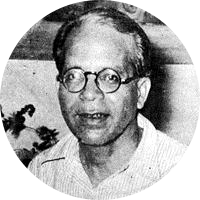
Respected President, Chief Guest, Director of the Urdu Teaching and Research Center, ladies and gentlemen!
I am grateful to the Director of the Urdu Teaching and Research Center, Lucknow, for inviting me to inaugurate this important seminar. Since its inception, this center has paid special attention to grammar and language pedagogy. This seminar on the script is another significant step in that direction. Although the issue of the script has been written about for a long time, I feel that the necessary attention has not been given to pedagogical and educational requirements. Furthermore, we have not fully benefited from the experiences of teachers who teach Urdu to children, illiterate adults, speakers of other regional languages, or foreign students.
I am not an expert in linguistics or phonetics; I am a student of literature. However, I have always made an effort to stay informed about the insights offered by linguistics and phonetics. The educational perspective, in particular, has always been a priority for me. I must also confess that my experience with teaching Urdu at the primary level is nominal. I have had some connection with secondary education, but I have spent most of my life teaching B.A. and M.A. classes and supervising research. At Aligarh Muslim University, Urdu is taught as a compulsory subject at the B.A., B.Sc., and B.Com. levels. This compulsory subject is divided into Absolute Beginner, Beginner, and Advanced Urdu. I supervised this program for a considerable period and had textbooks compiled for it. In this context, I have also reviewed the works of Haroon Khan Sherwani, Masood Hasan Rizvi, Dr. Abdul Sattar Siddiqui, and Sajjad Mirza, as well as *Imla Nama* compiled by Gopi Chand Narang and *Urdu Imla* by Rasheed Hasan Khan.
In 1957, in my capacity as the General Secretary of the Anjuman Taraqqi Urdu Hind, I issued a questionnaire regarding the Urdu script. I formed a committee to review the responses we received. However, the committee's recommendations were met with considerable outrage at the Anjuman's 1958 conference, and the matter was left unresolved. Such issues cannot be resolved in conferences. If experts sit together, deliberate, and examine every aspect from an educational standpoint, and then present concrete proposals to the well-wishers of Urdu, there is a possibility of making genuine progress on this important matter. We must also recognize that time and circumstances have already brought about certain reforms, which are now practiced by a significantly large circle of people.
In light of Dr. Abdul Sattar Siddiqui's opinions, the Anjuman Taraqqi Urdu Hind had approved certain proposals during its Nagpur session. These were largely implemented in the Anjuman's publications up until 1947. However, following independence and the partition of the country, the zeal for reform faded. This was because the very survival of Urdu had become a pressing issue. Consequently, people were psychologically unprepared for any kind of change. Last year, Bombay University hosted a seminar on this topic where several valuable papers were presented. I was unable to attend that seminar, but I learned that the opposition to the proposed reforms was quite fierce. Therefore, I wholeheartedly welcome this center's initiative to host a seminar on the script.
Let me state at the outset that I am not in favor of abandoning the Urdu script in favor of the Devanagari or Roman scripts. From a cultural, literary, and aesthetic standpoint, this script is now inextricably linked to the history of our language, its literature, its universality, and its artistic beauty. It is the standard-bearer of our language's identity and its distinctiveness. Our Constitution, while guaranteeing the survival and progress of linguistic minorities, also guarantees the protection of their scripts. Therefore, advocating for it is no longer just our linguistic duty, but our democratic duty as well. However, we must not ignore the wisdom of preserving the script while simultaneously reforming it to meet the needs of the modern era. We must propose reforms aimed at uniformity, convenience, and assimilation, keeping educational requirements in mind. It is essential to keep this point in mind. Let us now discuss a few self-evident and fundamental matters.
Urdu is a modern Indo-Aryan language rooted in Khari Boli. Arabic, Persian, and Turkish words make up no more than a quarter of its vocabulary; the remaining three-quarters consist either of indigenous words or words formed through combinations with indigenous roots. Recently, a significant number of English and Hindi words have also entered the language, which was only natural. Any words from Arabic, Persian, or other languages that have gained currency in Urdu are now fundamentally Urdu words. Insha Allah Khan Insha declared this reality in his book *Darya-e-Latafat* at the beginning of the nineteenth century, yet a certain circle failed to pay the necessary attention to its implications.
What I mean to say is that we must differentiate between everyday Urdu, *Urdu-e-Mualla* (the exalted Urdu of the elite), and *Urdu-e-Musaffa* (purified Urdu). That is, when we emphasize the aesthetic sensibilities of Persia and the inner passion of Arabia within Urdu, we must simultaneously—or rather, primarily—emphasize Urdu's Indian foundation. We must not forget the nature of the language's grammar, verbs, prepositions, and pronouns. In my view, the entire linguistic heritage from Amir Khusro to the present day belongs to us. The ideology behind the movement to declare certain words obsolete (*matrukat*) and to reform the language was less a reflection of the language's true genius and more a manifestation of elitism.
Throughout its evolution, the Urdu language has passed through various stages. The vernacular of the marketplace, the Sufis' message of love, and the vibrancy and intoxication of the royal courts have all combined to shape its character. Wajhi's *Sab Ras*, the poetry of Quli Qutb Shah, the lyricism of Wali, the innovative brilliance of Mir and Sauda, Nazir's love for his culture, Ghalib's talismanic treasury of meaning, Hali's simplicity, fervor, and authenticity, Sir Syed's deep concern, Abul Kalam Azad's *Ghubar-e-Khatir*, Iqbal's cosmic scripture, Premchand's idealistic realism, Shauq Qidwai's realm of imagination, and Arzoo Lakhnavi's melodious flute—all these elements come together to form the vibrant rainbow of Urdu. Consider these couplets from Ghalib's ghazal:
*Naqsh faryadi hai kis ki shokhi-e-tahreer ka*
*Kaghazi hai pairahan har paikar-e-tasveer ka*
[Against whose playful stroke of the pen does the image complain?
Every figure in the picture wears a garment of paper.]
*Kav-kav-e-sakht jaani haaye tanhai na pooch*
*Subh karna shaam ka lana hai joo-e-sheer ka*
[Do not ask about the arduous struggle of surviving in solitude;
Turning evening into morning is like carving a river of milk from stone.]
And these verses by Arzoo Lakhnavi:
*Ran mein ghora jo urate hue aaye Abbas*
*Chaukiyan ghaat pe baithi theen ruka tha paani*
[When Abbas came galloping his horse into the battlefield,
Guards were stationed at the riverbank, and the water was blocked.]
*Woh lachakti hui daandein woh chamakte hue phal*
*Dhoop mein aur bhi khola hua un ka paani*
[Those flexing shafts, those gleaming spearheads;
In the sunlight, their luster boiled even more fiercely.]
Both demonstrate the expansiveness of standard Urdu. However, it must also be remembered that as a language evolves, it generally becomes both simpler and more profound. In prose, this evolution clearly moves from ornamentation to simplicity. Poetry, on the other hand, for the sake of innovation—and as Aristotle noted, despite its metaphorical nature—remains largely rooted in everyday language. In England, prose remained highly ornate until the seventeenth century. It was in the eighteenth century that the art of expressing ideas simply was cultivated. Today, the benchmark for English prose is set by the writings of T.S. Eliot, Bertrand Russell, George Bernard Shaw, and Winston Churchill—not by the academic prose of American professors. Similarly, in modern Urdu prose, Sir Syed’s style is considered superior to the prose of *Fasana-e-Ajaib*, Abdul Haq’s prose is preferred over Abul Kalam Azad’s, and Abid Husain’s writing is favored over that of Niaz Fatehpuri.
Modern Urdu prose will naturally be influenced by both Hindi and English, yet it will not shy away from the Arabic and Persian words that form a precious part of its linguistic heritage. It will employ them as needed, rather than using them to flaunt erudition or to stubbornly isolate itself from the mainstream.
Urdu is an independent and autonomous language. It evolved from Khari Boli, and its earliest forms can be traced back to Hindi and Hindavi. In fact, the true continuation of Hindi and Hindavi is visible in Urdu. Modern Hindi, on the other hand, only truly began at the dawn of the nineteenth century.
If Urdu speakers had embraced the literary heritage of Kabir, Mir, Sur, Tulsi, and Nanak as an early form of Urdu—just as they claim Dakhni as classical Urdu—then misguided critics like Amrit Rai would never have dared to claim that Urdu was deliberately diverted from the highway of Hindi and Hindavi toward the mountainous terrain of Arabic and Persian out of a separatist impulse. That entire vocabulary, whether derived from Sanskrit *Tadbhav* (modified) words or from Arabic and Persian words that have been Indianized, is now the rightful property of Urdu. Just as the trend of heavily importing *Tatsam* (unmodified Sanskrit) words into modern Hindi is akin to making the Ganges flow backward, insisting on pronouncing and spelling Arabic and Persian words in Urdu exactly as they are in their original languages is like traveling to the Kaaba by way of Turkestan. Once, right here in Lucknow, I recited the following couplet by Ghalib in the presence of the late Maharaja of Mahmudabad:
*Ijz-o-niyaaz se toh na aaya woh raah par*
*Daaman ko aaj uss ke hareefana khenchiye*
[He did not yield to humility and supplication;
Today, let us tug at his hem like an adversary.]
The Maharaja remarked, Sir, please pronounce it *'ajz*, not *'ijz*. I respectfully replied that I was reciting an Urdu couplet. Similarly, those who insist on original pronunciations—such as *mamlakat* instead of *mamlikat* (state), *samt* instead of *simt* (direction), or *faza* instead of *fiza* (atmosphere)—or those who take pride in writing *mutashakkir* instead of *mashkoor* (thankful), or *kalimah* instead of *kalmay* (words), are committing an injustice against the genius of the language. They undermine the freedom and autonomy of Urdu. In his book *Waza-e-Istalahaat* (Coining of Terminology), Waheeduddin Salim has provided dozens of examples where Hindi and Persian words are seamlessly combined. Just as the hybrid compound *fauq-ul-bhadak* (highly flashy) is perfectly valid, so too is *lab-e-sadak* (roadside). Forming plurals according to Urdu rules is in no way inferior to forming them according to Arabic or Persian grammar. We are free to use both methods as needed.
Furthermore, it is an undeniable fact that although our script is derived from Arabic and Persian, the addition of Hindi phonetic sounds and the assimilation of linguistic wealth from its very inception mean that it is now distinctly the Urdu script. Centuries of usage and the incorporation of numerous sounds from Dravidian, Aryan, and Semitic languages have distinguished it from the Arabic and Persian scripts. It exists in two primary calligraphic styles: *Naskh* and *Nastaliq*. It is a historical fact that *Naskh* was adopted for printing much earlier. The publications of Fort William College, the books of Sir Syed’s Scientific Society, the *Aligarh Institute Gazette*, and the journal *Tahzeeb-ul-Akhlaq* all utilized the *Naskh* script. The standard Urdu typeface is essentially *Naskh*, into which certain elements of *Nastaliq* have been integrated.
While many books were printed in *Naskh* during the twentieth century, Urdu printing as a whole has predominantly relied on *Nastaliq*. This is the script taught to children, and it remains the standard handwriting for everyone—from the scholar to the layman, and from the young to the old. Because of the complexities of *Nastaliq*, our printing technology remained quite backward for a long time. However, the advent of photo-offset printing has introduced accuracy, clarity, and speed to the process. Recently, the *Noori Nastaliq* typeface was developed using computer technology, and sections of Pakistan's *Jang* newspaper are now printed using this font.
In India as well, a company has successfully developed a computerized *Nastaliq* typeface. Therefore, the use of *Nastaliq* typography over *Naskh* is now fully justified. The aesthetic beauty of *Nastaliq* is universally acknowledged; it elevated calligraphy to the status of a fine art. It was precisely due to the demands of this calligraphy that the shapes of letters began to vary depending on whether they appeared at the beginning, middle, or end of a word. There was also the technical issue of the *kursi* (the baseline alignment of letters), but there is no inherent reason to prefer the beauty of curves and circles over the beauty of straight lines and strokes. Both possess their own beauty—just as there is beauty in the upright cypress tree, and beauty in the spherical dome of the Taj Mahal. Beauty is simply another name for harmony and proportion. However, those who prioritize aesthetics over utility often forget the famous adage: there is an inherent beauty in utility itself.
I am not in favor of altering the current visual arrangement of the alphabet. While the importance of a phonetic approach is undeniable, the *Imla Nama* (Orthographic Guidelines) rightly states that a language's phonetics hold no meaning when divorced from its sociology. If we closely examine the visual arrangement of the script, we see that familiarizing oneself with the shape of *Be* (ب) makes it easy to recognize the letters from *Pe* (پ) to *Se* (ث). Similarly, learning the shape of *Jeem* (ج) unlocks the letters up to *Khe* (خ). Thus, mastering a single base letter in a group makes it remarkably easy to identify the other letters and variations within that series. In this way, the actual number of distinct letter shapes one needs to memorize is significantly reduced. The real difficulty arises when the shapes of the letters change depending on their position, which compounds the challenges faced by anyone trying to learn Urdu.
I know from personal experience that many people, drawn by the sweetness of the *ghazal* or the charm of cinema, have attempted to learn Urdu, only to be defeated by the seven trials (*Haft Khwan*) of its orthography. After all, why must there be so many different shapes for the letter *Be* (ب) in words like *basera*, *bahs*, *barati*, *Baqrat*, *naguftah-beh*, and *asp*? In his foundational typeface, Sajjad Mirza proposed a solution: any letter that connects to another should have no more than two forms—one full, and one half. Furthermore, the half-form should be an exact fragment of the full form. For instance, the medial shape that the letter *Ain* (ع) takes in the word *ameeq* (عمیق) bears no resemblance to its isolated form. Mirza’s proposed typeface recommended using only a full *Ain* and a half *Ain*—specifically, just the upper half of the letter. Under this system, the letter *Be* would also have only two shapes: the full *Be* (ب), and the initial *Be* as seen in the word *badi* (بدی). If the shapes of the letters remained consistent, learning the Urdu script would naturally become much easier. We must not focus on how accustomed we are to writing these letters in various ligatures. Instead, we must consider the perspective of the student learning Urdu from us, the illiterate person wishing to read, the speaker of another regional language, or the foreigner trying to acquire the language. Our priority should be figuring out how to teach them Urdu as easily, swiftly, and modernly as possible.
Some people argue that instead of using the distinct letters *seen* (س), *se* (ث), and *swaad* (ص), just *seen* is sufficient; instead of *ze* (ز), *zaal* (ذ), and *zwaad* (ض), just *ze* is enough; instead of *te* (ت) and *toe* (ط), just *te* is enough; and instead of *bari he* (ح) and *choti he* (ہ), just *choti he* is enough. However, there is undeniably a difference in the sounds of words like *ba'ad* (after) and *baad* (wind), *maloof* (familiar) and *maloom* (known), or *Hazrat* (a title of respect) and *Hazar Dastan* (a thousand tales). Jafar Hasan used to spell his name Jafar phonetically (ج ا ف ر) and spelled Hasan with a *choti he* (ہ). In my view, doing so merely causes the reader's mind to wander in confusion. The pronunciation of Arabic and Persian words has evolved after being spoken in India for centuries; this transformation did not happen overnight.
A wealthy American once visited Oxford. He did not care for the old buildings at all, but he was absolutely captivated by the lush green lawns. He asked how such a lawn could be cultivated and how much it would cost. The gardener was summoned. He explained that while planting the grass would cost very little, it would require running a roller over it for five hundred years. If, five hundred years from now, the spelling of Jafar naturally evolves into its phonetic equivalent, I would have no objection, but I am absolutely not ready for such an abrupt change today. Nowadays, there is a lot of talk about a return to the villages, but this is nothing more than a political gimmick. Civilization is moving from the villages toward the cities. Urdu is a product of urban culture (though this should not be taken to mean that it lacks the essence of the soil or the flavor of rural life), and it is essential to preserve its urbanity and cultural refinement. This is entirely different from elitism. For those learning Urdu, the greatest difficulty lies in spelling Arabic words that, despite having been fully assimilated into Urdu, are still written according to Arabic orthographic rules.
In my view, we must accept the recommendation of the *Imla Nama* (Orthography Manual) that all words traditionally written with an *alif maqsoorah* (a short 'a' sound written with a *ya*) should be written with a standard *alif* in Urdu. Words like *a'la* (highest), *adna* (lowest), *taqwa* (piety), *fatwa* (decree), *musaffa* (purified), *mu'alla* (exalted), *Isa* (Jesus), and *Musa* (Moses) should all be spelled with a standard *alif*. When we already spell names like Rahman, Ibrahim, Yaseen, and Ismail with an *alif*, why should we hesitate to do the same for Mustafa, Murtaza, and Mujtaba? Furthermore, there are certain Arabic and Turkish words that end with an *alif* but are mistakenly written with a *choti he* (ہ). The *Imla Nama* rightly recommends spelling these with an *alif* as well—for example, *shorba* (broth), *qorma* (curry), *nashta* (breakfast), and *malghoba* (mixture). However, it is quite strange that the manual recommends treating phrases like *alal-khusoos* (specifically), *alal-umoom* (generally), and *alal-hisaab* (on account) as Arabic constructs to be written according to Arabic orthography. These could easily be spelled phonetically in Urdu, and doing so would not cause any difficulty in reading them correctly.
Another strange point made in the *Imla Nama* is that there is no need to change the prevailing spelling of the word *lehaza* (therefore) because it has already become established in common practice. By this logic, we should not even consider any reforms to the script at all. There are many such orthographic difficulties in common practice that educated people no longer notice, simply because they moved past that learning stage long ago. However, the novice learner and the teacher are acutely aware of them. If our goal is to teach Urdu to as many people as possible and to make this process easy and accessible, then certain reforms are absolutely inevitable.
Urdu faces a threat not only from outsiders but also from its own people. Those who treat an Indo-Aryan language as a mere appendage of Arabic or Persian, or those who, out of fear or an inferiority complex, dread innovation and stubbornly cling to archaic conventions, are actively preventing Urdu from growing, spreading, and gaining popularity. Such people are not true well-wishers of the language. A language is not bound by any rigid dogma; it is in a constant state of flux. The key is to ensure that, despite these changes, a sense of continuity is maintained.
Some people have already started spelling *bilkul* (absolutely) phonetically as *bil kul* and *balkeh* (rather) as *bal keh*. Why, then, is there a reluctance to spell *filhaal* (currently) and *filfor* (immediately) phonetically as *fil haal* and *fil for*? The *Imla Nama* states that it cannot recommend spelling *foran* (immediately) with the letter *noon* (ن) instead of the traditional *tanween* (the double-vowel marker producing the 'an' sound), arguing that *tanween* has become an integral part of Urdu orthography. In my view, *tanween* should be abolished entirely. We are perfectly comfortable with names ending in *noon*, like Basheeran, Nazeeran, and Waheedan. We are also familiar with Akbar Allahabadi’s character Naseeban (who remained exactly the same, even after years of schooling). If we accept these, why can we not spell words like *nisbatan* (relatively) and *aadatan* (habitually) with the letter *noon*? On another note, the *Imla Nama* makes a very sensible recommendation that words historically written with both *toe* (ط) and *te* (ت) should now be standardized with *te*. For instance, people mistakenly spell *tota* (parrot) with a *toe*, even though it is etymologically distinct from the word *tooti* (songbird) and should correctly be written with a *te*.
I still remember reading the Naval Kishore Press edition of the classic tale *Fasana-e-Ajaib* in my childhood. A chapter heading read: Jaan-e-Alam goes to the bazaar and brings back a *tota* [parrot]—and it was spelled with a *te*. Yet, in many Urdu primers, I have seen *tota* spelled with a *toe*. This reminds me of an anecdote. An acquaintance of ours was engaged to a girl from his extended family when they were just children. The gentleman went on to receive a good education and secured a prestigious job. Soon, marriage proposals from elite families began pouring in. Being an honorable man who valued his word, he stood by his childhood engagement, placing only one condition: the girl, who was unlettered, should be taught basic Urdu. This was agreed upon, and the marriage took place. I was actually present at the wedding. Sometime later, the husband decided to test his wife’s literacy and asked her to write the word *tota*. She spelled it with a *te*. The gentleman was so infuriated by this that he divorced her on the spot. He believed he had been deceived and that her parents had not bothered to educate her at all. The tragic irony was that the poor woman had actually spelled it correctly with a *te*.
Similarly, some people spell *gajak* (a traditional jaggery sweet) as *gazak* (a salty snack eaten to cleanse the palate after drinking wine). Using a *ze* instead of a *jeem*, or needlessly flaunting Persian vocabulary in place of simple Hindi words, is indicative of an elitist mentality. It is the same mindset that takes pride in using pompous titles like *Mudeer-e-Masool* (Responsible Director) or *Raees-ul-Tahreer* (Chief of Writing) instead of the simple word Editor. While the writings in historic journals like *Al-Hilal*, *Nigar*, and *Zamindar*, along with the distinct prose styles of their editors, undoubtedly enriched Urdu, from this specific orthographic perspective, they also hindered the language's broader public appeal.
Allow me to remind you that in 1898, when Hindi in the Devanagari script was officially recognized alongside Urdu in Bihar, the primary argument presented was that the general public faced so much difficulty reading the Urdu script that permitting Devanagari had become a necessity. Antony MacDonnell noted somewhere that the formal address presented to him in Bihar was written in such difficult language that, despite knowing Urdu, he was entirely unable to comprehend it.
In my view, the difficulty did not stem so much from the Arabic and Persian vocabulary itself, but rather from the insistence on spelling those words according to strict Arabic rules. Even today, Urdu is not directly tied to economic livelihood, but it is undeniably tied to our cultural identity. The influx of Arabic and Persian vocabulary into Urdu has reached its natural limit; there is little possibility of further additions from those sources. However, the vocabulary drawn from Hindi, English, and regional languages will undoubtedly continue to grow. Instead of becoming panicked or outraged by this, we should welcome it. I am not saying this out of fear or political expediency. Shrinking and contracting leads to stagnation and death; growing, spreading, absorbing influences, and leaving an impact is the true essence of life. This is precisely what the history of the Urdu language teaches us.
Regarding the letters *Noon* and the nasal *Noon Ghunna*, the *Imla Nama* (Orthography Guidelines) recommends, in accordance with Dr. Abdul Sattar Siddiqi's directive, that for Arabic and Persian words, the original spelling should be followed, but for native words, a *Meem* should be written. This means a word like *Gumbad* (dome) should be written with a *Noon*, but a word like *Aam* (mango) with a *Meem*. Here, too, a need for uniformity is felt. If the sound of *Meem* is produced, the word must be written with a *Meem*, and no distinction should be made between Arabic or Hindi words. Furthermore, it is appropriate that a *Noon Ghunna* occurring in the middle of a word be represented by an inverted arc.
In Urdu, the silent *Waw* (*Waw-e-Madoola*) is used for a blended sound. Urdu learners face a great deal of difficulty because of this. Ghalib used to spell *Khurshid* (sun) without the *Waw*. Based on this principle, writing words like *Khud* (self) and *Khush* (happy) without the *Waw* is entirely appropriate. However, in words like *Afsana Khwan* (storyteller), *Khwar* (wretched), and *Khwah* (whether), since the sound of the *Waw* is distinct, they should be written with it.
Regarding the *Hamza*, it is appropriate that in a word where two vowels (vowel letters or diacritics) appear together and retain their distinct sounds, a *Hamza* should be written—for example, in *Koi* (someone) or *Lucknow*. If Arabic words originally end with a *Hamza* but are pronounced with an *Alif* in Urdu, why should they retain the *Hamza* at the end? Words like *Tulaba* (students), *Shu'ara* (poets), and *Ulama* (scholars) are already being written without it. However, the *Imla Nama*'s recommendation that a *Hamza* should be written in compound constructions is, in my view, unnecessary. Regarding the use of *Hamza* versus the letter *Ye*, if the sound of *Alif* is produced, a *Hamza* should be used; otherwise, it should not. Therefore, in words like *Aazmaish* (trial), *Numaish* (exhibition), *Sataish* (praise), *Aainda* (future), and *Numainda* (representative), the sound produced is that of an *Alif*, not a *Ye*. So, what is the harm in writing them with a *Hamza*? If there is a silent *Ye* (*Ya-e-Mukhtafi*) at the end of the first word in a possessive compound (*Muzaf*), a *Hamza* should be used, as in *Khana-e-Khuda* (House of God). But if the *Muzaf* ends in an *Alif* or a *Waw*, the possessive (*Izafat*) should be indicated with a *Bari Ye* (ے). The goal is to prioritize the phonetic aspect of the language.
Now I come to a point that Dr. Abdul Sattar Siddiqi Dehlvi was most acutely aware of. Recently, a trend has been observed where the components of compound words, whether Persian or Hindi, are written separately. For instance, in *Ehsan-mand* (grateful), *Ehsan* and *mand* are written disconnectedly. *Seminar* is now being written as *Se-mi-nar*, and *University* is treated similarly. However, words like *Dastakhat* (signature), *Tankhwah* (salary), *Baghban* (gardener), and *Gulzar* (garden) are still written as single, joined words. Dr. Siddiqi even advocated that, just like in English, every letter should be written separately. In my opinion, this is unnecessary. However, every syllable should indeed be written separately. For example, *Imtihan* (examination) as *Im-ti-han*, *Ustad* (teacher) as *Us-tad*, and *Khankhajura* (centipede) as *Khan-khajura*. After all, in poetic meter (*Taqti*), we segment words according to their metrical weight. We can generally apply this same principle to everyday writing.
To resolve the ambiguity between words like *Meel* (mile) and *Mail* (dirt)—that is, to distinguish between *Ya-e-Maroof* (the 'ee' sound), *Ya-e-Majhool* (the 'ay' sound), and *Ya-e-Maqabl Maftooh* (the 'ai' sound)—the *Imla Nama* recommends that *Ya-e-Maroof* be indicated by a vertical line under the word. For *Ya-e-Majhool*, no symbol is needed. For *Ya-e-Maqabl Maftooh*, there should be a *Zabar* (top diacritic) above it. However, Ghalib, Shibli, and others have used a half-*Ye* here, and in my view, this form is more appropriate for representing words like *Se* (from), *Hai* (is), and *Ke* (of). The *Tashdeed* (doubling diacritic) is economical, and it takes no time to learn. Therefore, it should be retained.
Regarding numerals, I would like to submit that it would be far more appropriate if we adopted Arabic or international numerals instead of the current ones. This way, we would avoid using a dot for zero, which often disappears in printing. Even the Constitution mandates the use of international numerals for Hindi.
Regarding punctuation, I must point out that the inverted comma has become customary for the comma (*Sakta*) in Urdu. The use of the semicolon is seen very rarely, but it is certainly employed when necessary. The same applies to the question mark and the exclamation mark. For brackets, only the standard parenthesis is generally used. The use of quotation marks (*Wawain*) is common. Now, to emphasize a piece of text, a line is drawn below it rather than above it, which is appropriate. This set of punctuation marks is sufficient for Urdu to function smoothly, and this is all that needs to be learned. The largest Urdu-speaking population resides in Hindi-speaking states, and it is in these very states that the protection of Urdu's rights and adherence to constitutional directives are found to be the weakest. In non-Hindi states, there may be bureaucratic hurdles in reading and writing Urdu, but there is no glaring negligence or injustice on the part of the government.
We still consider the Urdu world to be limited to Uttar Pradesh (UP), Bihar, and Delhi. However, Urdu is widely used in Gujarat, Maharashtra, Andhra Pradesh, Bengal, Karnataka, and Kashmir, and there are largely satisfactory arrangements for Urdu education there. Alongside the development of regional languages, Urdu is also flourishing in these states, and bilingual poets and writers are emerging from them. I welcome this trend. The majority in UP and Bihar believe that unless restrictions are placed on the education and usage of Urdu, Hindi will not progress. In response to one of my articles, C.B. Rao plainly stated that two kings cannot sit on one throne. I replied that if more than one mountaineer can stand on Mount Everest—as Hillary and Tenzing were prepared to do—then why can't more than one language be used for official purposes in a single state?
The region of Urdu and Hindi is one and the same. Even today, the language of the common people in Meerut and Rohilkhand, save for a few sounds, conforms to the structure of Urdu. I have personally analyzed this in the villages of the Rohilkhand district and have listened to *Barahmasa* poetry (traditional songs of the twelve months) there. However, due to Hindi education and the promotion of official Hindi, an artificial Hindi is emerging. The language of radio and TV news is increasingly abandoning commonly understood Hindi words in favor of heavy, cumbersome Sanskrit vocabulary. Gradually, this is also affecting the language of television serials, features, and films. In the new educational policy, special arrangements have been made to teach illiterate adults in addition to children. There is also a proposal to impart education through correspondence. Friends of Urdu should take advantage of this opportunity. In particular, Urdu departments in universities and Urdu institutions should launch campaigns to teach Urdu through correspondence. There should be no delay in making necessary reforms to the script.
*Shaha do rukh bidah wa dil aaram deh.*
[O King, show your face and bring comfort to the heart.]
It is not an expensive bargain.
Urdu will not be able to flourish or progress by becoming the language of the elite or the language of a single religious sect; it will shrink and be confined. We need to further highlight the Indianness of the language and the Indianness of its literature. Greater freedom can be granted in the spoken language. However, in the written language, we must insist on a standard—though this standard will be in accordance with our entire history, modern circumstances, and contemporary needs. I am neither intimidated nor despairing, though I am certainly saddened. We understand the demands of the time and the challenges of our circumstances. Iqbal was not wrong when he interpreted the times:
Na tha agar tu sharik-e-mehfil qusoor tera tha ya keh mera
Mera tariqa nahin keh rakh loon kisi ki khatir may-e-shabana
[If you were not present at the gathering, was the fault yours or mine?
It is not my custom to save the night's wine for anyone's sake.]
Please reflect on these observations. Perhaps your careful consideration will yield some practical insights for the future of our language.
Respected President, Chief Guest, Director of the Urdu Teaching and Research Center, ladies and gentlemen!
I am grateful to the Director of the Urdu Teaching and Research Center, Lucknow, for inviting me to inaugurate this important seminar. Since its inception, this center has paid special attention to grammar and language pedagogy. This seminar on the script is another significant step in that direction. Although the issue of the script has been written about for a long time, I feel that the necessary attention has not been given to pedagogical and educational requirements. Furthermore, we have not fully benefited from the experiences of teachers who teach Urdu to children, illiterate adults, speakers of other regional languages, or foreign students.
I am not an expert in linguistics or phonetics; I am a student of literature. However, I have always made an effort to stay informed about the insights offered by linguistics and phonetics. The educational perspective, in particular, has always been a priority for me. I must also confess that my experience with teaching Urdu at the primary level is nominal. I have had some connection with secondary education, but I have spent most of my life teaching B.A. and M.A. classes and supervising research. At Aligarh Muslim University, Urdu is taught as a compulsory subject at the B.A., B.Sc., and B.Com. levels. This compulsory subject is divided into Absolute Beginner, Beginner, and Advanced Urdu. I supervised this program for a considerable period and had textbooks compiled for it. In this context, I have also reviewed the works of Haroon Khan Sherwani, Masood Hasan Rizvi, Dr. Abdul Sattar Siddiqui, and Sajjad Mirza, as well as *Imla Nama* compiled by Gopi Chand Narang and *Urdu Imla* by Rasheed Hasan Khan.
In 1957, in my capacity as the General Secretary of the Anjuman Taraqqi Urdu Hind, I issued a questionnaire regarding the Urdu script. I formed a committee to review the responses we received. However, the committee's recommendations were met with considerable outrage at the Anjuman's 1958 conference, and the matter was left unresolved. Such issues cannot be resolved in conferences. If experts sit together, deliberate, and examine every aspect from an educational standpoint, and then present concrete proposals to the well-wishers of Urdu, there is a possibility of making genuine progress on this important matter. We must also recognize that time and circumstances have already brought about certain reforms, which are now practiced by a significantly large circle of people.
In light of Dr. Abdul Sattar Siddiqui's opinions, the Anjuman Taraqqi Urdu Hind had approved certain proposals during its Nagpur session. These were largely implemented in the Anjuman's publications up until 1947. However, following independence and the partition of the country, the zeal for reform faded. This was because the very survival of Urdu had become a pressing issue. Consequently, people were psychologically unprepared for any kind of change. Last year, Bombay University hosted a seminar on this topic where several valuable papers were presented. I was unable to attend that seminar, but I learned that the opposition to the proposed reforms was quite fierce. Therefore, I wholeheartedly welcome this center's initiative to host a seminar on the script.
Let me state at the outset that I am not in favor of abandoning the Urdu script in favor of the Devanagari or Roman scripts. From a cultural, literary, and aesthetic standpoint, this script is now inextricably linked to the history of our language, its literature, its universality, and its artistic beauty. It is the standard-bearer of our language's identity and its distinctiveness. Our Constitution, while guaranteeing the survival and progress of linguistic minorities, also guarantees the protection of their scripts. Therefore, advocating for it is no longer just our linguistic duty, but our democratic duty as well. However, we must not ignore the wisdom of preserving the script while simultaneously reforming it to meet the needs of the modern era. We must propose reforms aimed at uniformity, convenience, and assimilation, keeping educational requirements in mind. It is essential to keep this point in mind. Let us now discuss a few self-evident and fundamental matters.
Urdu is a modern Indo-Aryan language rooted in Khari Boli. Arabic, Persian, and Turkish words make up no more than a quarter of its vocabulary; the remaining three-quarters consist either of indigenous words or words formed through combinations with indigenous roots. Recently, a significant number of English and Hindi words have also entered the language, which was only natural. Any words from Arabic, Persian, or other languages that have gained currency in Urdu are now fundamentally Urdu words. Insha Allah Khan Insha declared this reality in his book *Darya-e-Latafat* at the beginning of the nineteenth century, yet a certain circle failed to pay the necessary attention to its implications.
What I mean to say is that we must differentiate between everyday Urdu, *Urdu-e-Mualla* (the exalted Urdu of the elite), and *Urdu-e-Musaffa* (purified Urdu). That is, when we emphasize the aesthetic sensibilities of Persia and the inner passion of Arabia within Urdu, we must simultaneously—or rather, primarily—emphasize Urdu's Indian foundation. We must not forget the nature of the language's grammar, verbs, prepositions, and pronouns. In my view, the entire linguistic heritage from Amir Khusro to the present day belongs to us. The ideology behind the movement to declare certain words obsolete (*matrukat*) and to reform the language was less a reflection of the language's true genius and more a manifestation of elitism.
Throughout its evolution, the Urdu language has passed through various stages. The vernacular of the marketplace, the Sufis' message of love, and the vibrancy and intoxication of the royal courts have all combined to shape its character. Wajhi's *Sab Ras*, the poetry of Quli Qutb Shah, the lyricism of Wali, the innovative brilliance of Mir and Sauda, Nazir's love for his culture, Ghalib's talismanic treasury of meaning, Hali's simplicity, fervor, and authenticity, Sir Syed's deep concern, Abul Kalam Azad's *Ghubar-e-Khatir*, Iqbal's cosmic scripture, Premchand's idealistic realism, Shauq Qidwai's realm of imagination, and Arzoo Lakhnavi's melodious flute—all these elements come together to form the vibrant rainbow of Urdu. Consider these couplets from Ghalib's ghazal:
*Naqsh faryadi hai kis ki shokhi-e-tahreer ka*
*Kaghazi hai pairahan har paikar-e-tasveer ka*
[Against whose playful stroke of the pen does the image complain?
Every figure in the picture wears a garment of paper.]
*Kav-kav-e-sakht jaani haaye tanhai na pooch*
*Subh karna shaam ka lana hai joo-e-sheer ka*
[Do not ask about the arduous struggle of surviving in solitude;
Turning evening into morning is like carving a river of milk from stone.]
And these verses by Arzoo Lakhnavi:
*Ran mein ghora jo urate hue aaye Abbas*
*Chaukiyan ghaat pe baithi theen ruka tha paani*
[When Abbas came galloping his horse into the battlefield,
Guards were stationed at the riverbank, and the water was blocked.]
*Woh lachakti hui daandein woh chamakte hue phal*
*Dhoop mein aur bhi khola hua un ka paani*
[Those flexing shafts, those gleaming spearheads;
In the sunlight, their luster boiled even more fiercely.]
Both demonstrate the expansiveness of standard Urdu. However, it must also be remembered that as a language evolves, it generally becomes both simpler and more profound. In prose, this evolution clearly moves from ornamentation to simplicity. Poetry, on the other hand, for the sake of innovation—and as Aristotle noted, despite its metaphorical nature—remains largely rooted in everyday language. In England, prose remained highly ornate until the seventeenth century. It was in the eighteenth century that the art of expressing ideas simply was cultivated. Today, the benchmark for English prose is set by the writings of T.S. Eliot, Bertrand Russell, George Bernard Shaw, and Winston Churchill—not by the academic prose of American professors. Similarly, in modern Urdu prose, Sir Syed’s style is considered superior to the prose of *Fasana-e-Ajaib*, Abdul Haq’s prose is preferred over Abul Kalam Azad’s, and Abid Husain’s writing is favored over that of Niaz Fatehpuri.
Modern Urdu prose will naturally be influenced by both Hindi and English, yet it will not shy away from the Arabic and Persian words that form a precious part of its linguistic heritage. It will employ them as needed, rather than using them to flaunt erudition or to stubbornly isolate itself from the mainstream.
Urdu is an independent and autonomous language. It evolved from Khari Boli, and its earliest forms can be traced back to Hindi and Hindavi. In fact, the true continuation of Hindi and Hindavi is visible in Urdu. Modern Hindi, on the other hand, only truly began at the dawn of the nineteenth century.
If Urdu speakers had embraced the literary heritage of Kabir, Mir, Sur, Tulsi, and Nanak as an early form of Urdu—just as they claim Dakhni as classical Urdu—then misguided critics like Amrit Rai would never have dared to claim that Urdu was deliberately diverted from the highway of Hindi and Hindavi toward the mountainous terrain of Arabic and Persian out of a separatist impulse. That entire vocabulary, whether derived from Sanskrit *Tadbhav* (modified) words or from Arabic and Persian words that have been Indianized, is now the rightful property of Urdu. Just as the trend of heavily importing *Tatsam* (unmodified Sanskrit) words into modern Hindi is akin to making the Ganges flow backward, insisting on pronouncing and spelling Arabic and Persian words in Urdu exactly as they are in their original languages is like traveling to the Kaaba by way of Turkestan. Once, right here in Lucknow, I recited the following couplet by Ghalib in the presence of the late Maharaja of Mahmudabad:
*Ijz-o-niyaaz se toh na aaya woh raah par*
*Daaman ko aaj uss ke hareefana khenchiye*
[He did not yield to humility and supplication;
Today, let us tug at his hem like an adversary.]
The Maharaja remarked, Sir, please pronounce it *'ajz*, not *'ijz*. I respectfully replied that I was reciting an Urdu couplet. Similarly, those who insist on original pronunciations—such as *mamlakat* instead of *mamlikat* (state), *samt* instead of *simt* (direction), or *faza* instead of *fiza* (atmosphere)—or those who take pride in writing *mutashakkir* instead of *mashkoor* (thankful), or *kalimah* instead of *kalmay* (words), are committing an injustice against the genius of the language. They undermine the freedom and autonomy of Urdu. In his book *Waza-e-Istalahaat* (Coining of Terminology), Waheeduddin Salim has provided dozens of examples where Hindi and Persian words are seamlessly combined. Just as the hybrid compound *fauq-ul-bhadak* (highly flashy) is perfectly valid, so too is *lab-e-sadak* (roadside). Forming plurals according to Urdu rules is in no way inferior to forming them according to Arabic or Persian grammar. We are free to use both methods as needed.
Furthermore, it is an undeniable fact that although our script is derived from Arabic and Persian, the addition of Hindi phonetic sounds and the assimilation of linguistic wealth from its very inception mean that it is now distinctly the Urdu script. Centuries of usage and the incorporation of numerous sounds from Dravidian, Aryan, and Semitic languages have distinguished it from the Arabic and Persian scripts. It exists in two primary calligraphic styles: *Naskh* and *Nastaliq*. It is a historical fact that *Naskh* was adopted for printing much earlier. The publications of Fort William College, the books of Sir Syed’s Scientific Society, the *Aligarh Institute Gazette*, and the journal *Tahzeeb-ul-Akhlaq* all utilized the *Naskh* script. The standard Urdu typeface is essentially *Naskh*, into which certain elements of *Nastaliq* have been integrated.
While many books were printed in *Naskh* during the twentieth century, Urdu printing as a whole has predominantly relied on *Nastaliq*. This is the script taught to children, and it remains the standard handwriting for everyone—from the scholar to the layman, and from the young to the old. Because of the complexities of *Nastaliq*, our printing technology remained quite backward for a long time. However, the advent of photo-offset printing has introduced accuracy, clarity, and speed to the process. Recently, the *Noori Nastaliq* typeface was developed using computer technology, and sections of Pakistan's *Jang* newspaper are now printed using this font.
In India as well, a company has successfully developed a computerized *Nastaliq* typeface. Therefore, the use of *Nastaliq* typography over *Naskh* is now fully justified. The aesthetic beauty of *Nastaliq* is universally acknowledged; it elevated calligraphy to the status of a fine art. It was precisely due to the demands of this calligraphy that the shapes of letters began to vary depending on whether they appeared at the beginning, middle, or end of a word. There was also the technical issue of the *kursi* (the baseline alignment of letters), but there is no inherent reason to prefer the beauty of curves and circles over the beauty of straight lines and strokes. Both possess their own beauty—just as there is beauty in the upright cypress tree, and beauty in the spherical dome of the Taj Mahal. Beauty is simply another name for harmony and proportion. However, those who prioritize aesthetics over utility often forget the famous adage: there is an inherent beauty in utility itself.
I am not in favor of altering the current visual arrangement of the alphabet. While the importance of a phonetic approach is undeniable, the *Imla Nama* (Orthographic Guidelines) rightly states that a language's phonetics hold no meaning when divorced from its sociology. If we closely examine the visual arrangement of the script, we see that familiarizing oneself with the shape of *Be* (ب) makes it easy to recognize the letters from *Pe* (پ) to *Se* (ث). Similarly, learning the shape of *Jeem* (ج) unlocks the letters up to *Khe* (خ). Thus, mastering a single base letter in a group makes it remarkably easy to identify the other letters and variations within that series. In this way, the actual number of distinct letter shapes one needs to memorize is significantly reduced. The real difficulty arises when the shapes of the letters change depending on their position, which compounds the challenges faced by anyone trying to learn Urdu.
I know from personal experience that many people, drawn by the sweetness of the *ghazal* or the charm of cinema, have attempted to learn Urdu, only to be defeated by the seven trials (*Haft Khwan*) of its orthography. After all, why must there be so many different shapes for the letter *Be* (ب) in words like *basera*, *bahs*, *barati*, *Baqrat*, *naguftah-beh*, and *asp*? In his foundational typeface, Sajjad Mirza proposed a solution: any letter that connects to another should have no more than two forms—one full, and one half. Furthermore, the half-form should be an exact fragment of the full form. For instance, the medial shape that the letter *Ain* (ع) takes in the word *ameeq* (عمیق) bears no resemblance to its isolated form. Mirza’s proposed typeface recommended using only a full *Ain* and a half *Ain*—specifically, just the upper half of the letter. Under this system, the letter *Be* would also have only two shapes: the full *Be* (ب), and the initial *Be* as seen in the word *badi* (بدی). If the shapes of the letters remained consistent, learning the Urdu script would naturally become much easier. We must not focus on how accustomed we are to writing these letters in various ligatures. Instead, we must consider the perspective of the student learning Urdu from us, the illiterate person wishing to read, the speaker of another regional language, or the foreigner trying to acquire the language. Our priority should be figuring out how to teach them Urdu as easily, swiftly, and modernly as possible.
Some people argue that instead of using the distinct letters *seen* (س), *se* (ث), and *swaad* (ص), just *seen* is sufficient; instead of *ze* (ز), *zaal* (ذ), and *zwaad* (ض), just *ze* is enough; instead of *te* (ت) and *toe* (ط), just *te* is enough; and instead of *bari he* (ح) and *choti he* (ہ), just *choti he* is enough. However, there is undeniably a difference in the sounds of words like *ba'ad* (after) and *baad* (wind), *maloof* (familiar) and *maloom* (known), or *Hazrat* (a title of respect) and *Hazar Dastan* (a thousand tales). Jafar Hasan used to spell his name Jafar phonetically (ج ا ف ر) and spelled Hasan with a *choti he* (ہ). In my view, doing so merely causes the reader's mind to wander in confusion. The pronunciation of Arabic and Persian words has evolved after being spoken in India for centuries; this transformation did not happen overnight.
A wealthy American once visited Oxford. He did not care for the old buildings at all, but he was absolutely captivated by the lush green lawns. He asked how such a lawn could be cultivated and how much it would cost. The gardener was summoned. He explained that while planting the grass would cost very little, it would require running a roller over it for five hundred years. If, five hundred years from now, the spelling of Jafar naturally evolves into its phonetic equivalent, I would have no objection, but I am absolutely not ready for such an abrupt change today. Nowadays, there is a lot of talk about a return to the villages, but this is nothing more than a political gimmick. Civilization is moving from the villages toward the cities. Urdu is a product of urban culture (though this should not be taken to mean that it lacks the essence of the soil or the flavor of rural life), and it is essential to preserve its urbanity and cultural refinement. This is entirely different from elitism. For those learning Urdu, the greatest difficulty lies in spelling Arabic words that, despite having been fully assimilated into Urdu, are still written according to Arabic orthographic rules.
In my view, we must accept the recommendation of the *Imla Nama* (Orthography Manual) that all words traditionally written with an *alif maqsoorah* (a short 'a' sound written with a *ya*) should be written with a standard *alif* in Urdu. Words like *a'la* (highest), *adna* (lowest), *taqwa* (piety), *fatwa* (decree), *musaffa* (purified), *mu'alla* (exalted), *Isa* (Jesus), and *Musa* (Moses) should all be spelled with a standard *alif*. When we already spell names like Rahman, Ibrahim, Yaseen, and Ismail with an *alif*, why should we hesitate to do the same for Mustafa, Murtaza, and Mujtaba? Furthermore, there are certain Arabic and Turkish words that end with an *alif* but are mistakenly written with a *choti he* (ہ). The *Imla Nama* rightly recommends spelling these with an *alif* as well—for example, *shorba* (broth), *qorma* (curry), *nashta* (breakfast), and *malghoba* (mixture). However, it is quite strange that the manual recommends treating phrases like *alal-khusoos* (specifically), *alal-umoom* (generally), and *alal-hisaab* (on account) as Arabic constructs to be written according to Arabic orthography. These could easily be spelled phonetically in Urdu, and doing so would not cause any difficulty in reading them correctly.
Another strange point made in the *Imla Nama* is that there is no need to change the prevailing spelling of the word *lehaza* (therefore) because it has already become established in common practice. By this logic, we should not even consider any reforms to the script at all. There are many such orthographic difficulties in common practice that educated people no longer notice, simply because they moved past that learning stage long ago. However, the novice learner and the teacher are acutely aware of them. If our goal is to teach Urdu to as many people as possible and to make this process easy and accessible, then certain reforms are absolutely inevitable.
Urdu faces a threat not only from outsiders but also from its own people. Those who treat an Indo-Aryan language as a mere appendage of Arabic or Persian, or those who, out of fear or an inferiority complex, dread innovation and stubbornly cling to archaic conventions, are actively preventing Urdu from growing, spreading, and gaining popularity. Such people are not true well-wishers of the language. A language is not bound by any rigid dogma; it is in a constant state of flux. The key is to ensure that, despite these changes, a sense of continuity is maintained.
Some people have already started spelling *bilkul* (absolutely) phonetically as *bil kul* and *balkeh* (rather) as *bal keh*. Why, then, is there a reluctance to spell *filhaal* (currently) and *filfor* (immediately) phonetically as *fil haal* and *fil for*? The *Imla Nama* states that it cannot recommend spelling *foran* (immediately) with the letter *noon* (ن) instead of the traditional *tanween* (the double-vowel marker producing the 'an' sound), arguing that *tanween* has become an integral part of Urdu orthography. In my view, *tanween* should be abolished entirely. We are perfectly comfortable with names ending in *noon*, like Basheeran, Nazeeran, and Waheedan. We are also familiar with Akbar Allahabadi’s character Naseeban (who remained exactly the same, even after years of schooling). If we accept these, why can we not spell words like *nisbatan* (relatively) and *aadatan* (habitually) with the letter *noon*? On another note, the *Imla Nama* makes a very sensible recommendation that words historically written with both *toe* (ط) and *te* (ت) should now be standardized with *te*. For instance, people mistakenly spell *tota* (parrot) with a *toe*, even though it is etymologically distinct from the word *tooti* (songbird) and should correctly be written with a *te*.
I still remember reading the Naval Kishore Press edition of the classic tale *Fasana-e-Ajaib* in my childhood. A chapter heading read: Jaan-e-Alam goes to the bazaar and brings back a *tota* [parrot]—and it was spelled with a *te*. Yet, in many Urdu primers, I have seen *tota* spelled with a *toe*. This reminds me of an anecdote. An acquaintance of ours was engaged to a girl from his extended family when they were just children. The gentleman went on to receive a good education and secured a prestigious job. Soon, marriage proposals from elite families began pouring in. Being an honorable man who valued his word, he stood by his childhood engagement, placing only one condition: the girl, who was unlettered, should be taught basic Urdu. This was agreed upon, and the marriage took place. I was actually present at the wedding. Sometime later, the husband decided to test his wife’s literacy and asked her to write the word *tota*. She spelled it with a *te*. The gentleman was so infuriated by this that he divorced her on the spot. He believed he had been deceived and that her parents had not bothered to educate her at all. The tragic irony was that the poor woman had actually spelled it correctly with a *te*.
Similarly, some people spell *gajak* (a traditional jaggery sweet) as *gazak* (a salty snack eaten to cleanse the palate after drinking wine). Using a *ze* instead of a *jeem*, or needlessly flaunting Persian vocabulary in place of simple Hindi words, is indicative of an elitist mentality. It is the same mindset that takes pride in using pompous titles like *Mudeer-e-Masool* (Responsible Director) or *Raees-ul-Tahreer* (Chief of Writing) instead of the simple word Editor. While the writings in historic journals like *Al-Hilal*, *Nigar*, and *Zamindar*, along with the distinct prose styles of their editors, undoubtedly enriched Urdu, from this specific orthographic perspective, they also hindered the language's broader public appeal.
Allow me to remind you that in 1898, when Hindi in the Devanagari script was officially recognized alongside Urdu in Bihar, the primary argument presented was that the general public faced so much difficulty reading the Urdu script that permitting Devanagari had become a necessity. Antony MacDonnell noted somewhere that the formal address presented to him in Bihar was written in such difficult language that, despite knowing Urdu, he was entirely unable to comprehend it.
In my view, the difficulty did not stem so much from the Arabic and Persian vocabulary itself, but rather from the insistence on spelling those words according to strict Arabic rules. Even today, Urdu is not directly tied to economic livelihood, but it is undeniably tied to our cultural identity. The influx of Arabic and Persian vocabulary into Urdu has reached its natural limit; there is little possibility of further additions from those sources. However, the vocabulary drawn from Hindi, English, and regional languages will undoubtedly continue to grow. Instead of becoming panicked or outraged by this, we should welcome it. I am not saying this out of fear or political expediency. Shrinking and contracting leads to stagnation and death; growing, spreading, absorbing influences, and leaving an impact is the true essence of life. This is precisely what the history of the Urdu language teaches us.
Regarding the letters *Noon* and the nasal *Noon Ghunna*, the *Imla Nama* (Orthography Guidelines) recommends, in accordance with Dr. Abdul Sattar Siddiqi's directive, that for Arabic and Persian words, the original spelling should be followed, but for native words, a *Meem* should be written. This means a word like *Gumbad* (dome) should be written with a *Noon*, but a word like *Aam* (mango) with a *Meem*. Here, too, a need for uniformity is felt. If the sound of *Meem* is produced, the word must be written with a *Meem*, and no distinction should be made between Arabic or Hindi words. Furthermore, it is appropriate that a *Noon Ghunna* occurring in the middle of a word be represented by an inverted arc.
In Urdu, the silent *Waw* (*Waw-e-Madoola*) is used for a blended sound. Urdu learners face a great deal of difficulty because of this. Ghalib used to spell *Khurshid* (sun) without the *Waw*. Based on this principle, writing words like *Khud* (self) and *Khush* (happy) without the *Waw* is entirely appropriate. However, in words like *Afsana Khwan* (storyteller), *Khwar* (wretched), and *Khwah* (whether), since the sound of the *Waw* is distinct, they should be written with it.
Regarding the *Hamza*, it is appropriate that in a word where two vowels (vowel letters or diacritics) appear together and retain their distinct sounds, a *Hamza* should be written—for example, in *Koi* (someone) or *Lucknow*. If Arabic words originally end with a *Hamza* but are pronounced with an *Alif* in Urdu, why should they retain the *Hamza* at the end? Words like *Tulaba* (students), *Shu'ara* (poets), and *Ulama* (scholars) are already being written without it. However, the *Imla Nama*'s recommendation that a *Hamza* should be written in compound constructions is, in my view, unnecessary. Regarding the use of *Hamza* versus the letter *Ye*, if the sound of *Alif* is produced, a *Hamza* should be used; otherwise, it should not. Therefore, in words like *Aazmaish* (trial), *Numaish* (exhibition), *Sataish* (praise), *Aainda* (future), and *Numainda* (representative), the sound produced is that of an *Alif*, not a *Ye*. So, what is the harm in writing them with a *Hamza*? If there is a silent *Ye* (*Ya-e-Mukhtafi*) at the end of the first word in a possessive compound (*Muzaf*), a *Hamza* should be used, as in *Khana-e-Khuda* (House of God). But if the *Muzaf* ends in an *Alif* or a *Waw*, the possessive (*Izafat*) should be indicated with a *Bari Ye* (ے). The goal is to prioritize the phonetic aspect of the language.
Now I come to a point that Dr. Abdul Sattar Siddiqi Dehlvi was most acutely aware of. Recently, a trend has been observed where the components of compound words, whether Persian or Hindi, are written separately. For instance, in *Ehsan-mand* (grateful), *Ehsan* and *mand* are written disconnectedly. *Seminar* is now being written as *Se-mi-nar*, and *University* is treated similarly. However, words like *Dastakhat* (signature), *Tankhwah* (salary), *Baghban* (gardener), and *Gulzar* (garden) are still written as single, joined words. Dr. Siddiqi even advocated that, just like in English, every letter should be written separately. In my opinion, this is unnecessary. However, every syllable should indeed be written separately. For example, *Imtihan* (examination) as *Im-ti-han*, *Ustad* (teacher) as *Us-tad*, and *Khankhajura* (centipede) as *Khan-khajura*. After all, in poetic meter (*Taqti*), we segment words according to their metrical weight. We can generally apply this same principle to everyday writing.
To resolve the ambiguity between words like *Meel* (mile) and *Mail* (dirt)—that is, to distinguish between *Ya-e-Maroof* (the 'ee' sound), *Ya-e-Majhool* (the 'ay' sound), and *Ya-e-Maqabl Maftooh* (the 'ai' sound)—the *Imla Nama* recommends that *Ya-e-Maroof* be indicated by a vertical line under the word. For *Ya-e-Majhool*, no symbol is needed. For *Ya-e-Maqabl Maftooh*, there should be a *Zabar* (top diacritic) above it. However, Ghalib, Shibli, and others have used a half-*Ye* here, and in my view, this form is more appropriate for representing words like *Se* (from), *Hai* (is), and *Ke* (of). The *Tashdeed* (doubling diacritic) is economical, and it takes no time to learn. Therefore, it should be retained.
Regarding numerals, I would like to submit that it would be far more appropriate if we adopted Arabic or international numerals instead of the current ones. This way, we would avoid using a dot for zero, which often disappears in printing. Even the Constitution mandates the use of international numerals for Hindi.
Regarding punctuation, I must point out that the inverted comma has become customary for the comma (*Sakta*) in Urdu. The use of the semicolon is seen very rarely, but it is certainly employed when necessary. The same applies to the question mark and the exclamation mark. For brackets, only the standard parenthesis is generally used. The use of quotation marks (*Wawain*) is common. Now, to emphasize a piece of text, a line is drawn below it rather than above it, which is appropriate. This set of punctuation marks is sufficient for Urdu to function smoothly, and this is all that needs to be learned. The largest Urdu-speaking population resides in Hindi-speaking states, and it is in these very states that the protection of Urdu's rights and adherence to constitutional directives are found to be the weakest. In non-Hindi states, there may be bureaucratic hurdles in reading and writing Urdu, but there is no glaring negligence or injustice on the part of the government.
We still consider the Urdu world to be limited to Uttar Pradesh (UP), Bihar, and Delhi. However, Urdu is widely used in Gujarat, Maharashtra, Andhra Pradesh, Bengal, Karnataka, and Kashmir, and there are largely satisfactory arrangements for Urdu education there. Alongside the development of regional languages, Urdu is also flourishing in these states, and bilingual poets and writers are emerging from them. I welcome this trend. The majority in UP and Bihar believe that unless restrictions are placed on the education and usage of Urdu, Hindi will not progress. In response to one of my articles, C.B. Rao plainly stated that two kings cannot sit on one throne. I replied that if more than one mountaineer can stand on Mount Everest—as Hillary and Tenzing were prepared to do—then why can't more than one language be used for official purposes in a single state?
The region of Urdu and Hindi is one and the same. Even today, the language of the common people in Meerut and Rohilkhand, save for a few sounds, conforms to the structure of Urdu. I have personally analyzed this in the villages of the Rohilkhand district and have listened to *Barahmasa* poetry (traditional songs of the twelve months) there. However, due to Hindi education and the promotion of official Hindi, an artificial Hindi is emerging. The language of radio and TV news is increasingly abandoning commonly understood Hindi words in favor of heavy, cumbersome Sanskrit vocabulary. Gradually, this is also affecting the language of television serials, features, and films. In the new educational policy, special arrangements have been made to teach illiterate adults in addition to children. There is also a proposal to impart education through correspondence. Friends of Urdu should take advantage of this opportunity. In particular, Urdu departments in universities and Urdu institutions should launch campaigns to teach Urdu through correspondence. There should be no delay in making necessary reforms to the script.
*Shaha do rukh bidah wa dil aaram deh.*
[O King, show your face and bring comfort to the heart.]
It is not an expensive bargain.
Urdu will not be able to flourish or progress by becoming the language of the elite or the language of a single religious sect; it will shrink and be confined. We need to further highlight the Indianness of the language and the Indianness of its literature. Greater freedom can be granted in the spoken language. However, in the written language, we must insist on a standard—though this standard will be in accordance with our entire history, modern circumstances, and contemporary needs. I am neither intimidated nor despairing, though I am certainly saddened. We understand the demands of the time and the challenges of our circumstances. Iqbal was not wrong when he interpreted the times:
Na tha agar tu sharik-e-mehfil qusoor tera tha ya keh mera
Mera tariqa nahin keh rakh loon kisi ki khatir may-e-shabana
[If you were not present at the gathering, was the fault yours or mine?
It is not my custom to save the night's wine for anyone's sake.]
Please reflect on these observations. Perhaps your careful consideration will yield some practical insights for the future of our language.
- Author :Aale Ahmad Suroor
- Publication : Educational Book House, Aligarh
Additional information available
Click on the INTERESTING button to view additional information associated with this sher.
About this sher
rare Unpublished content
This ghazal contains ashaar not published in the public domain. These are marked by a red line on the left.